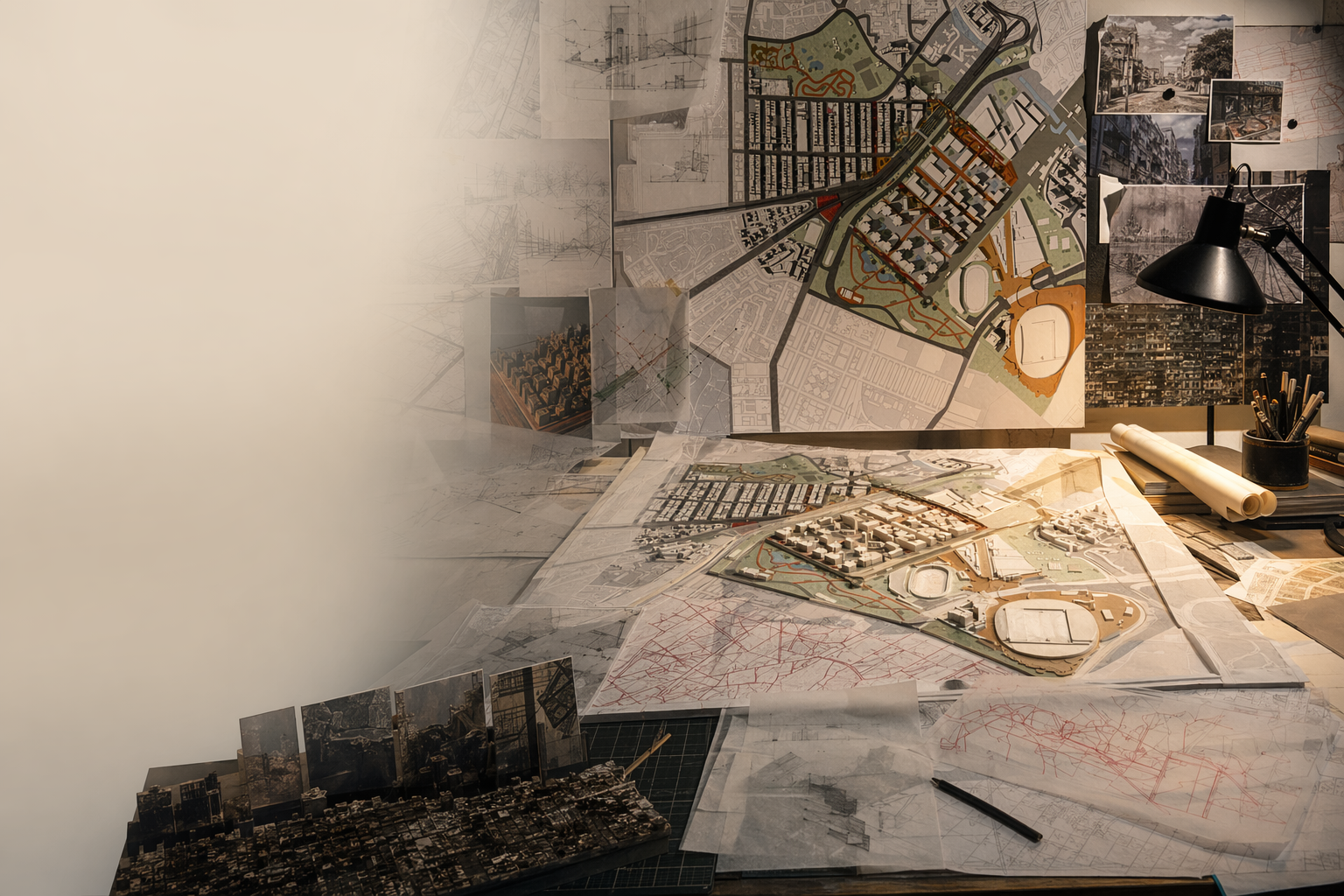
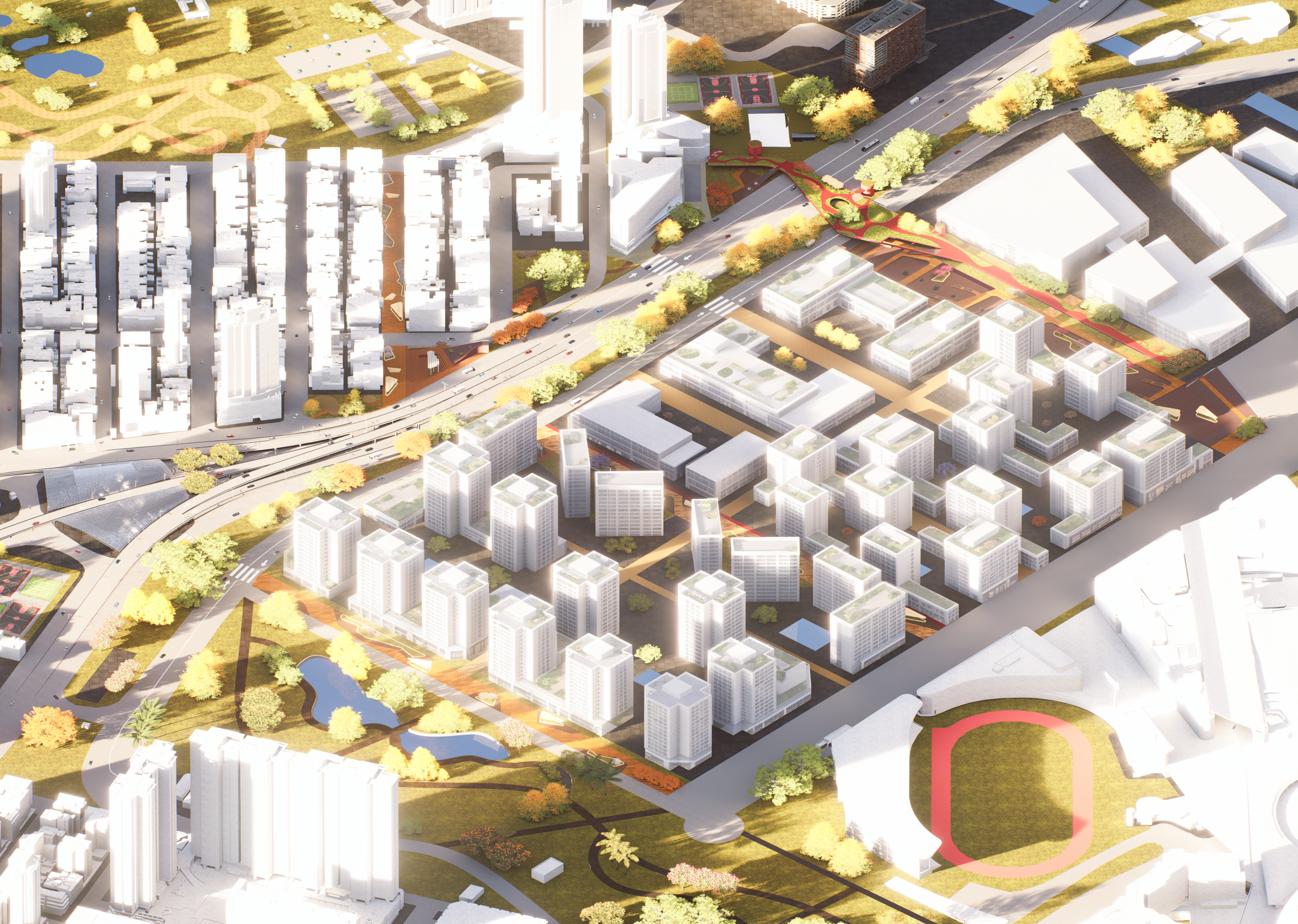
Site Introduction
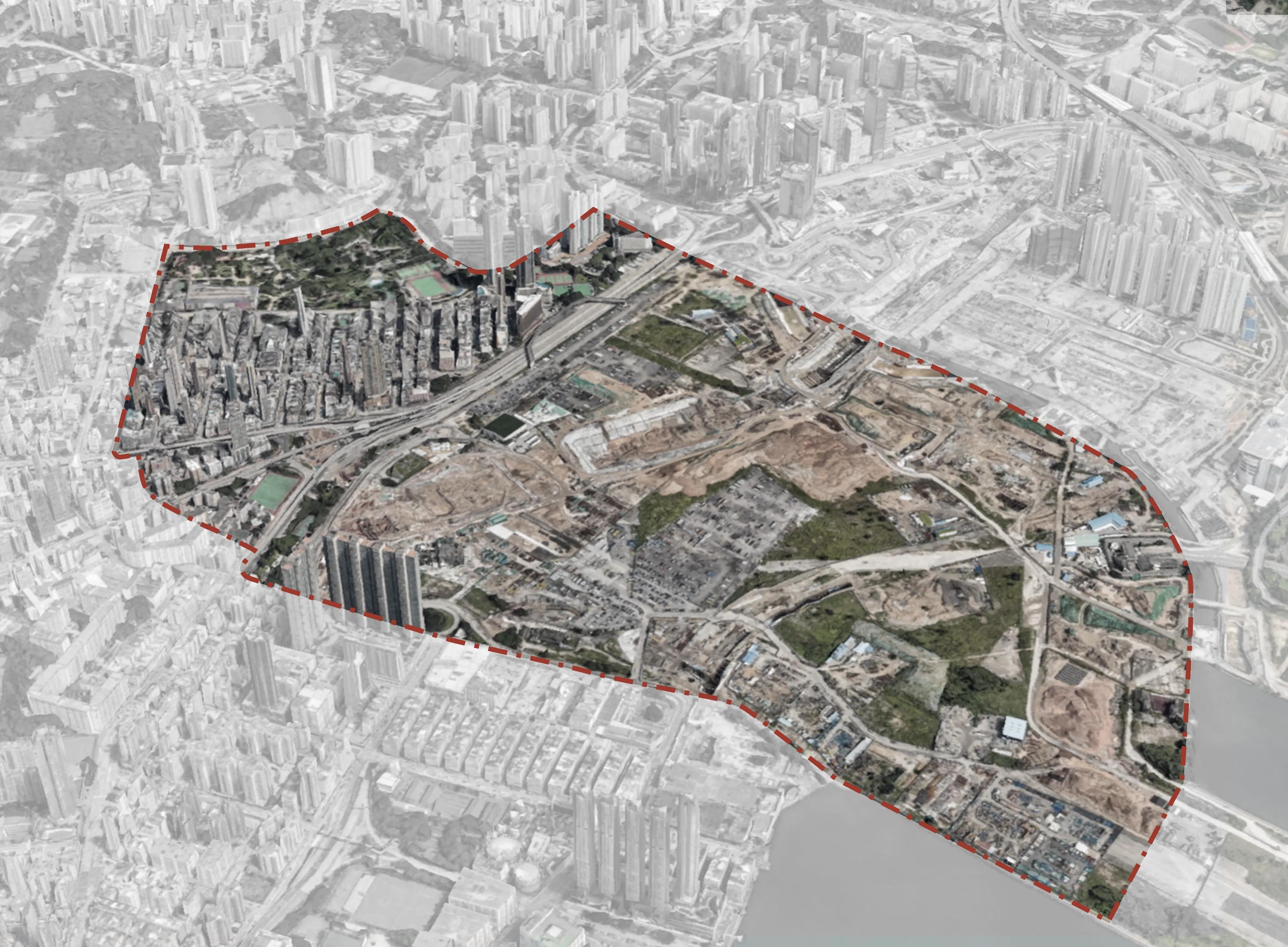
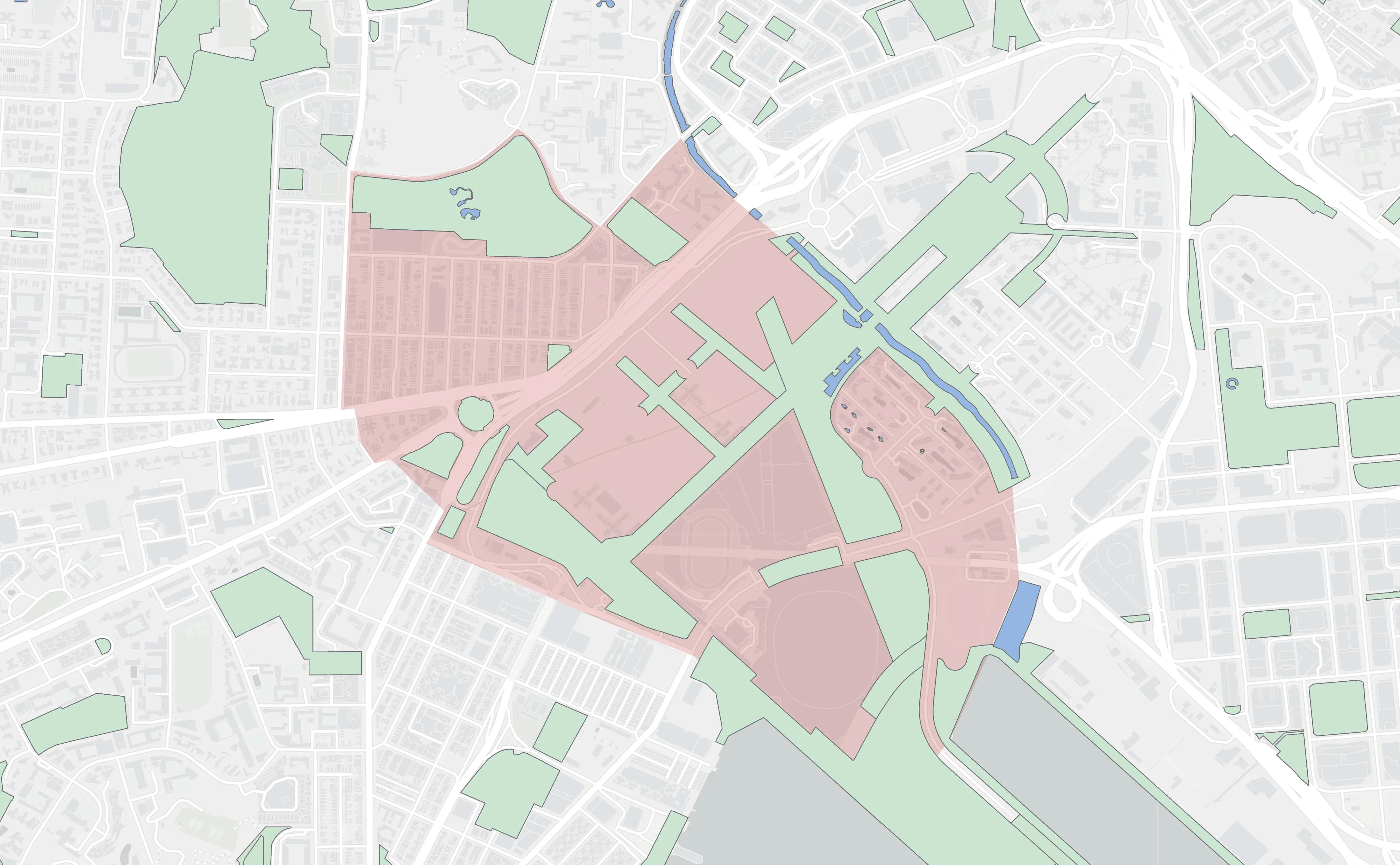
An overview of the site location, boundaries, and fundamental characteristics. Establishing the foundational context for subsequent analysis.
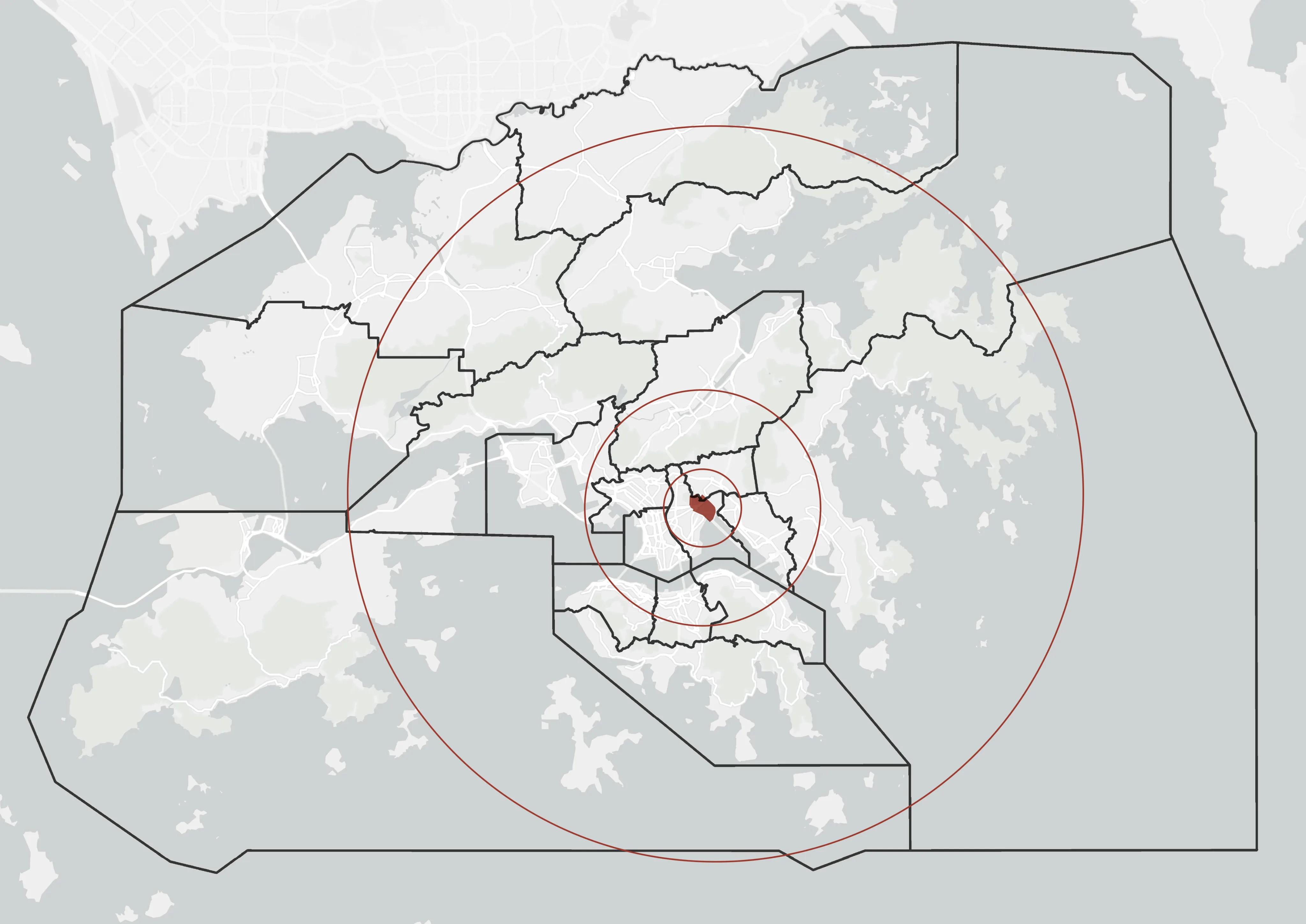
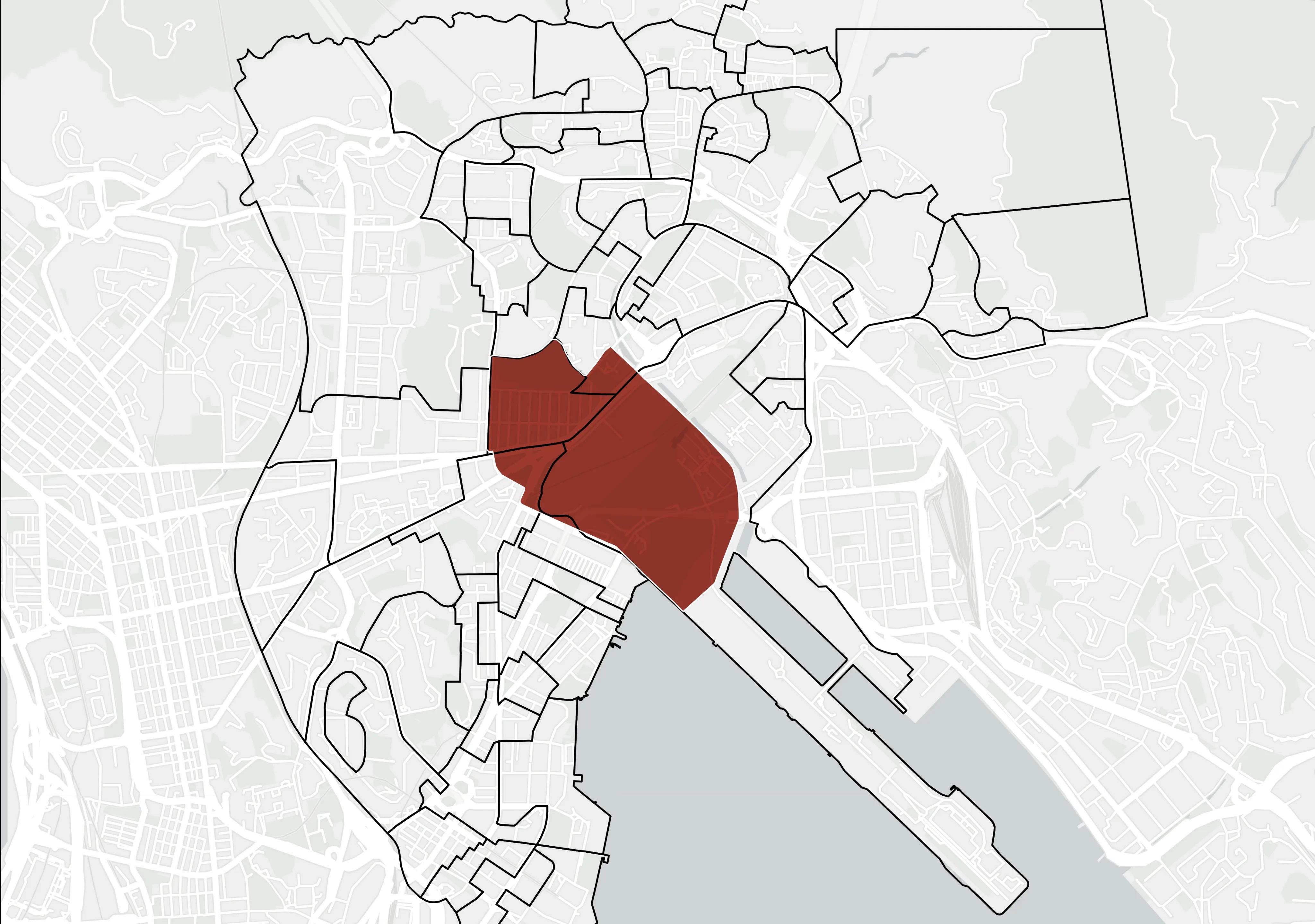
Accessibility Analysis
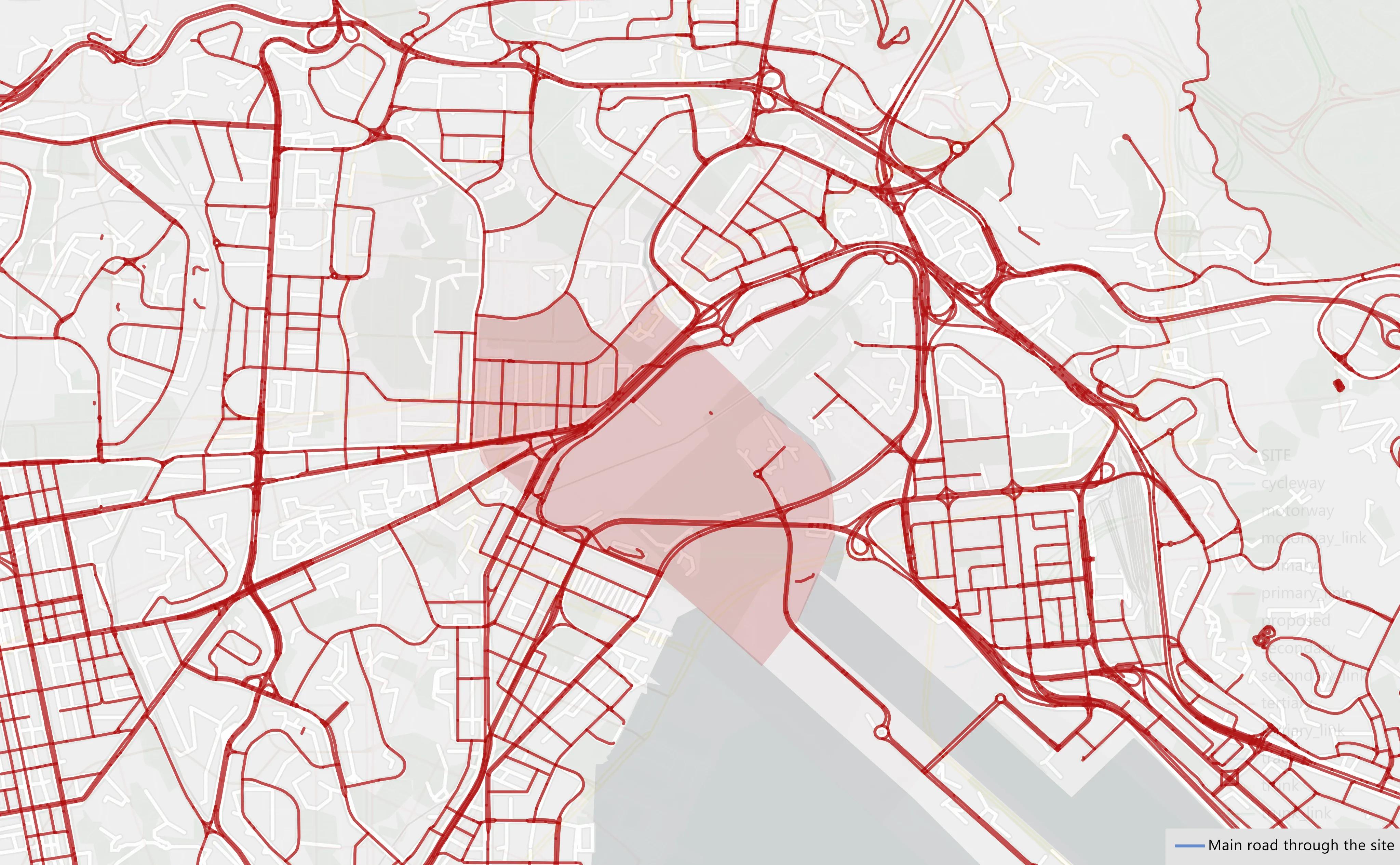
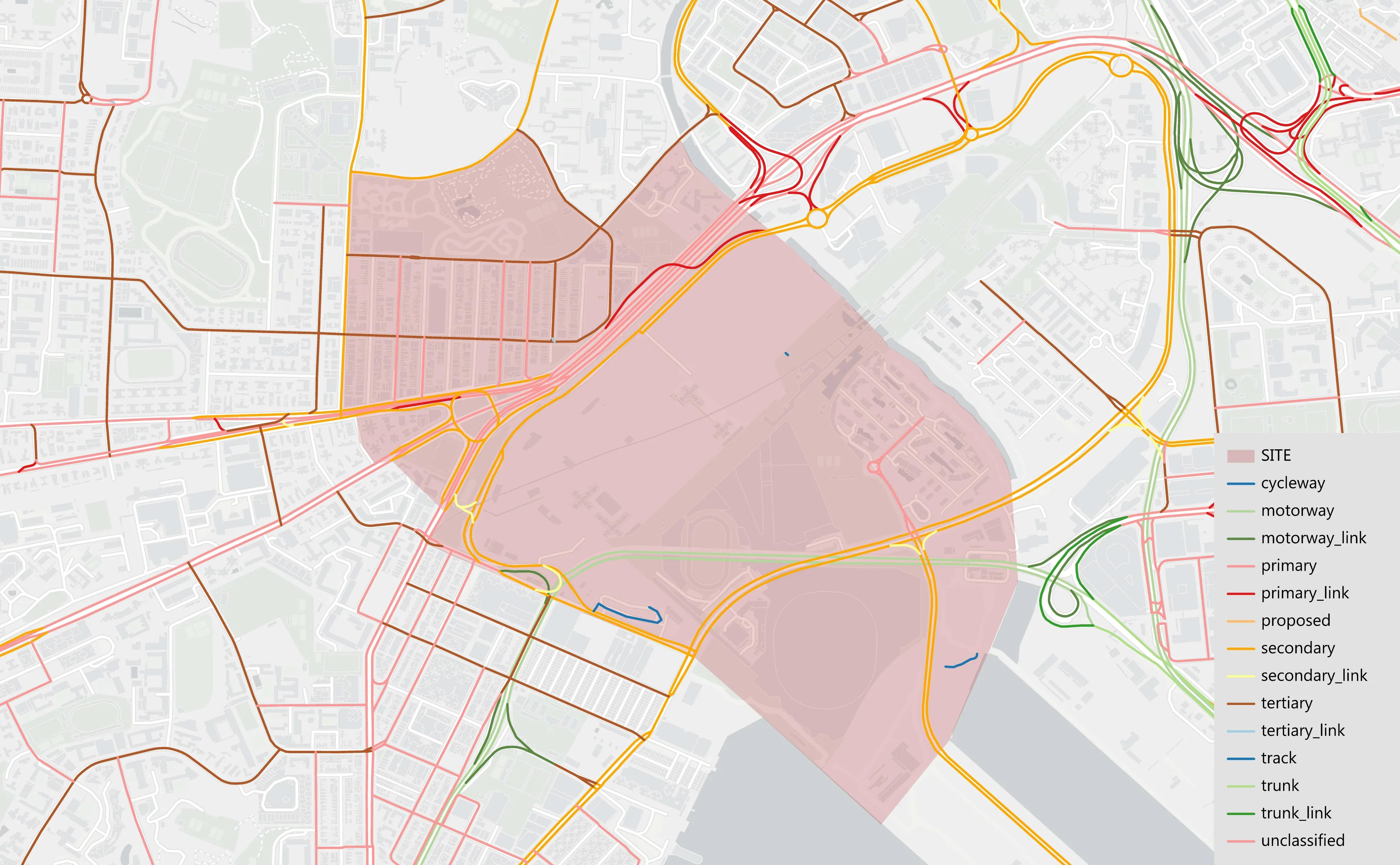
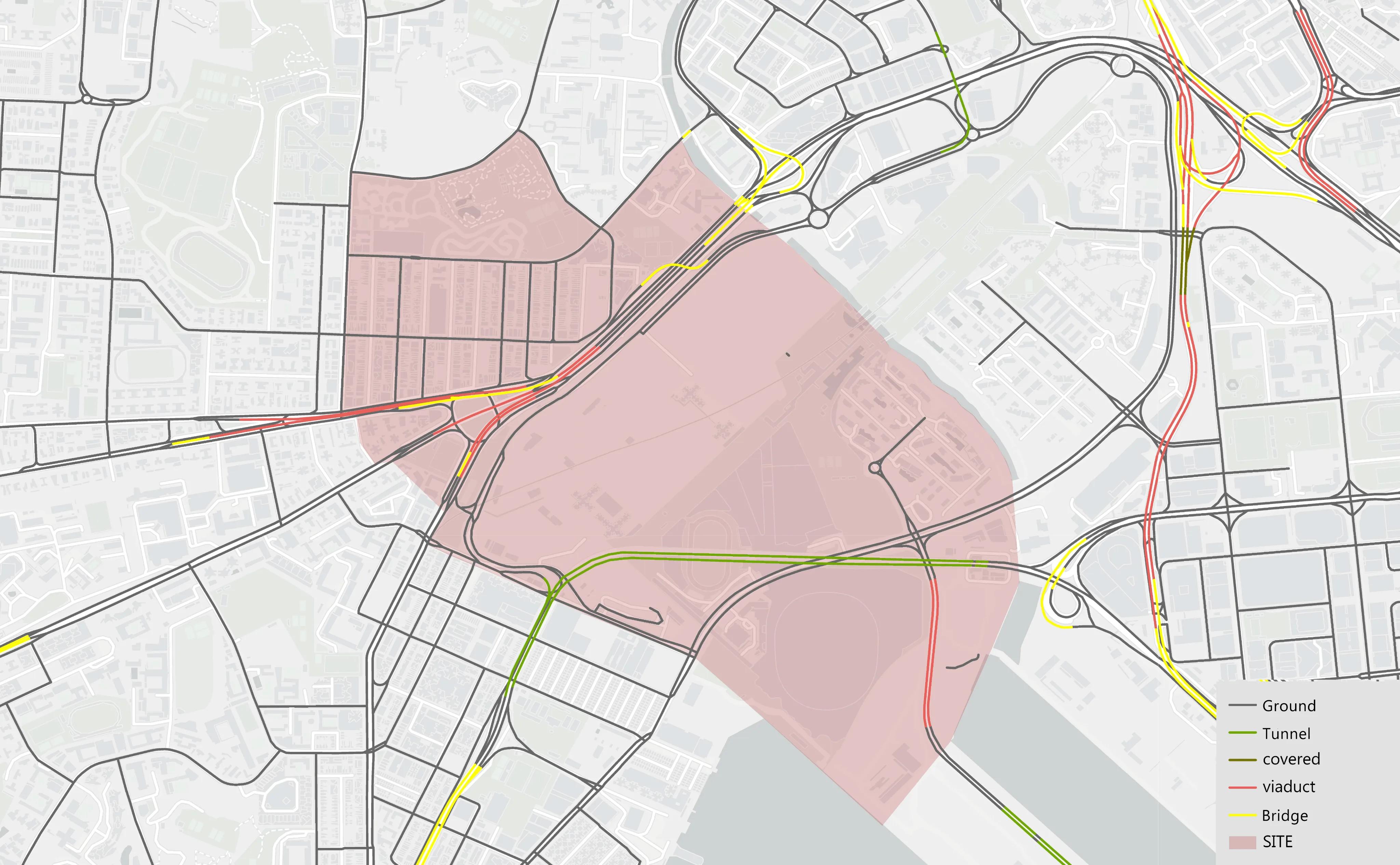
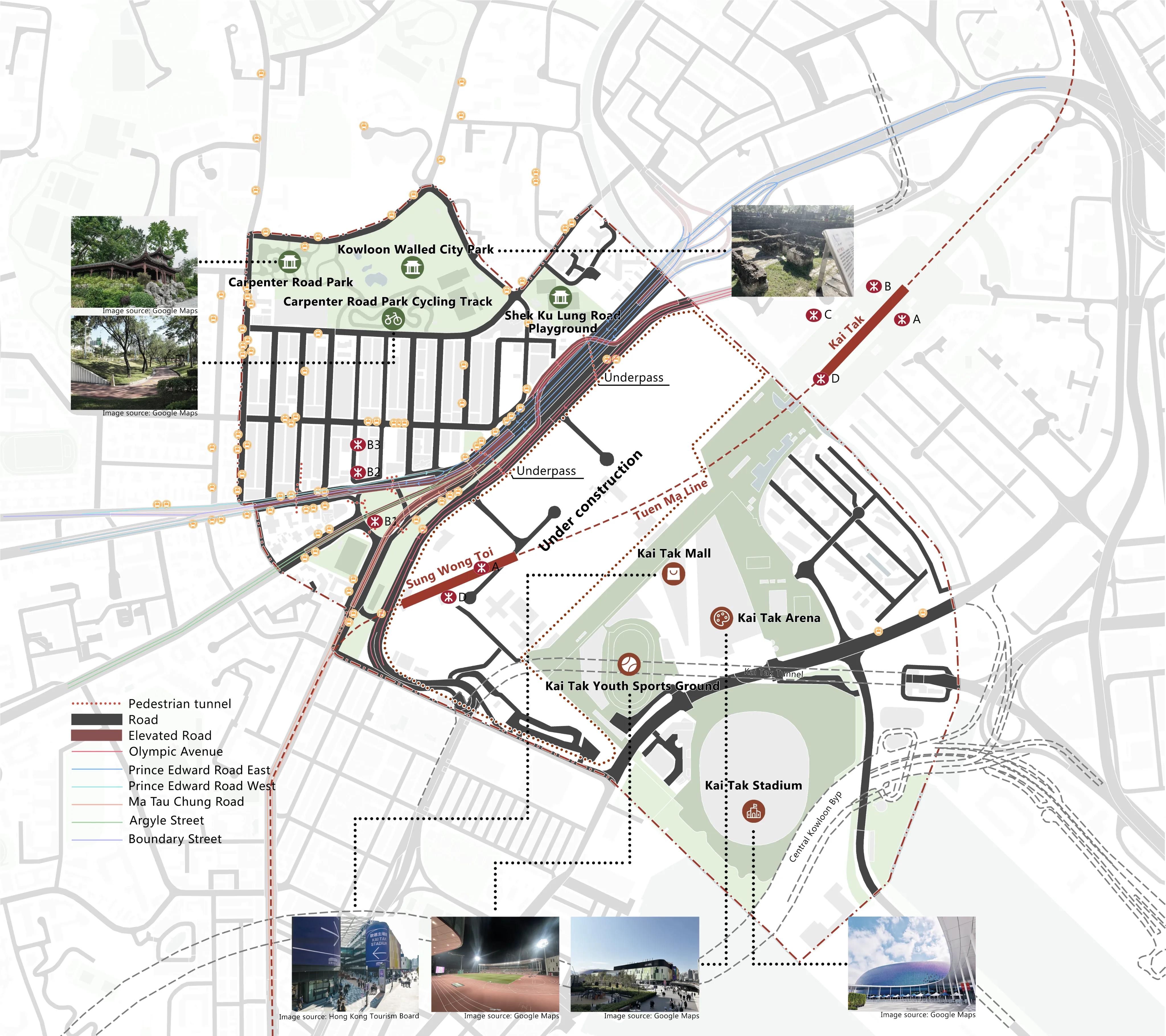
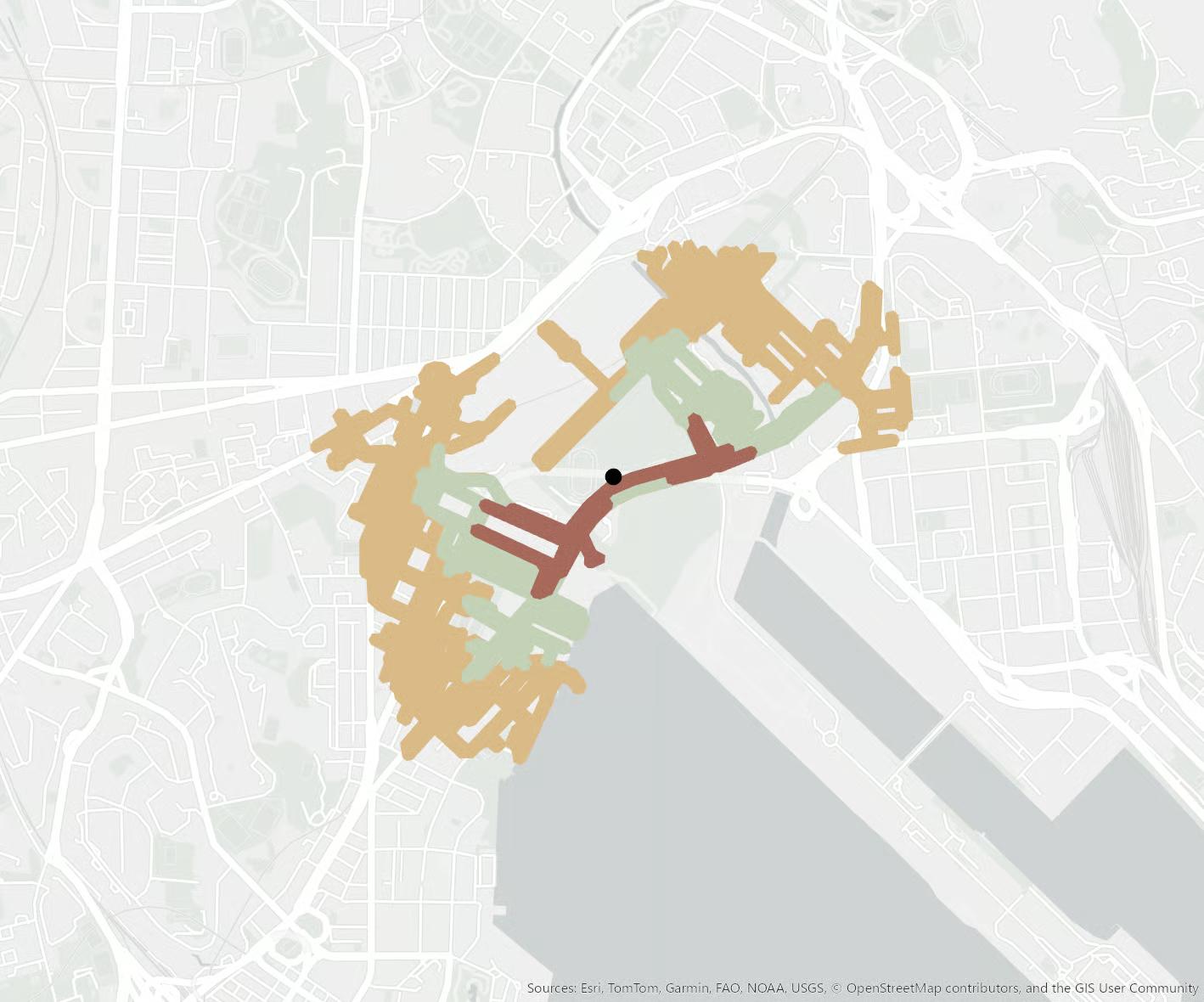
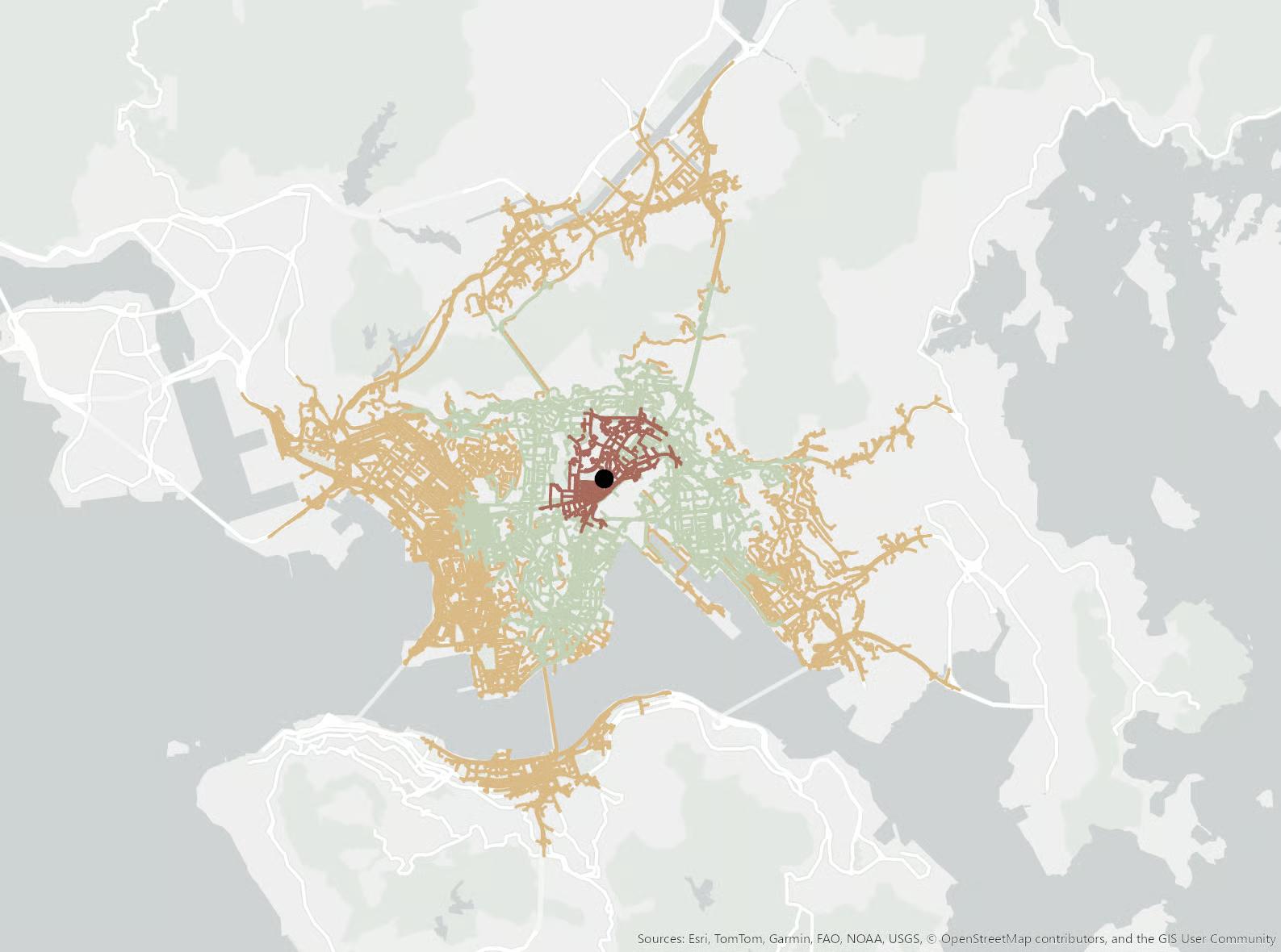
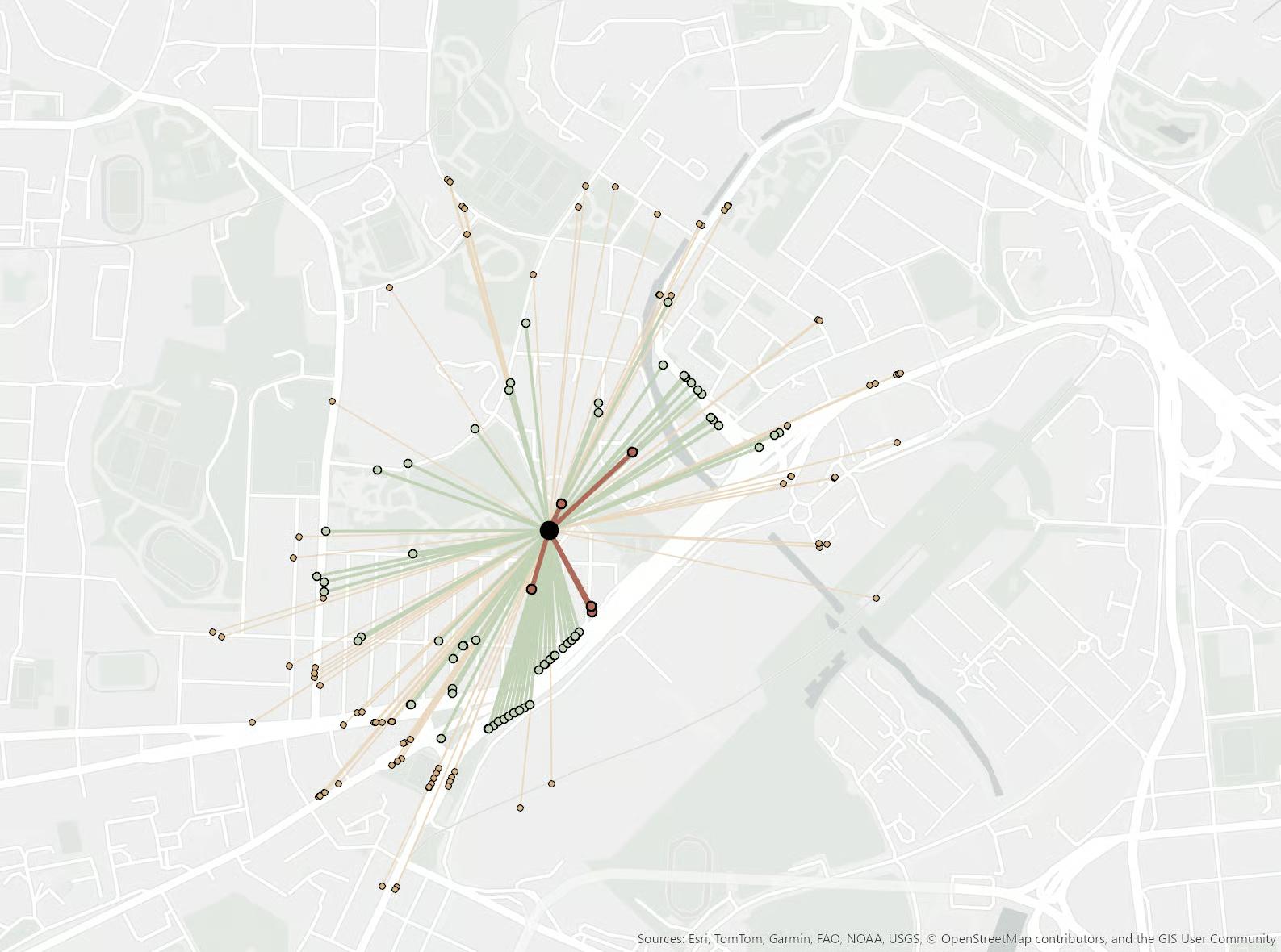
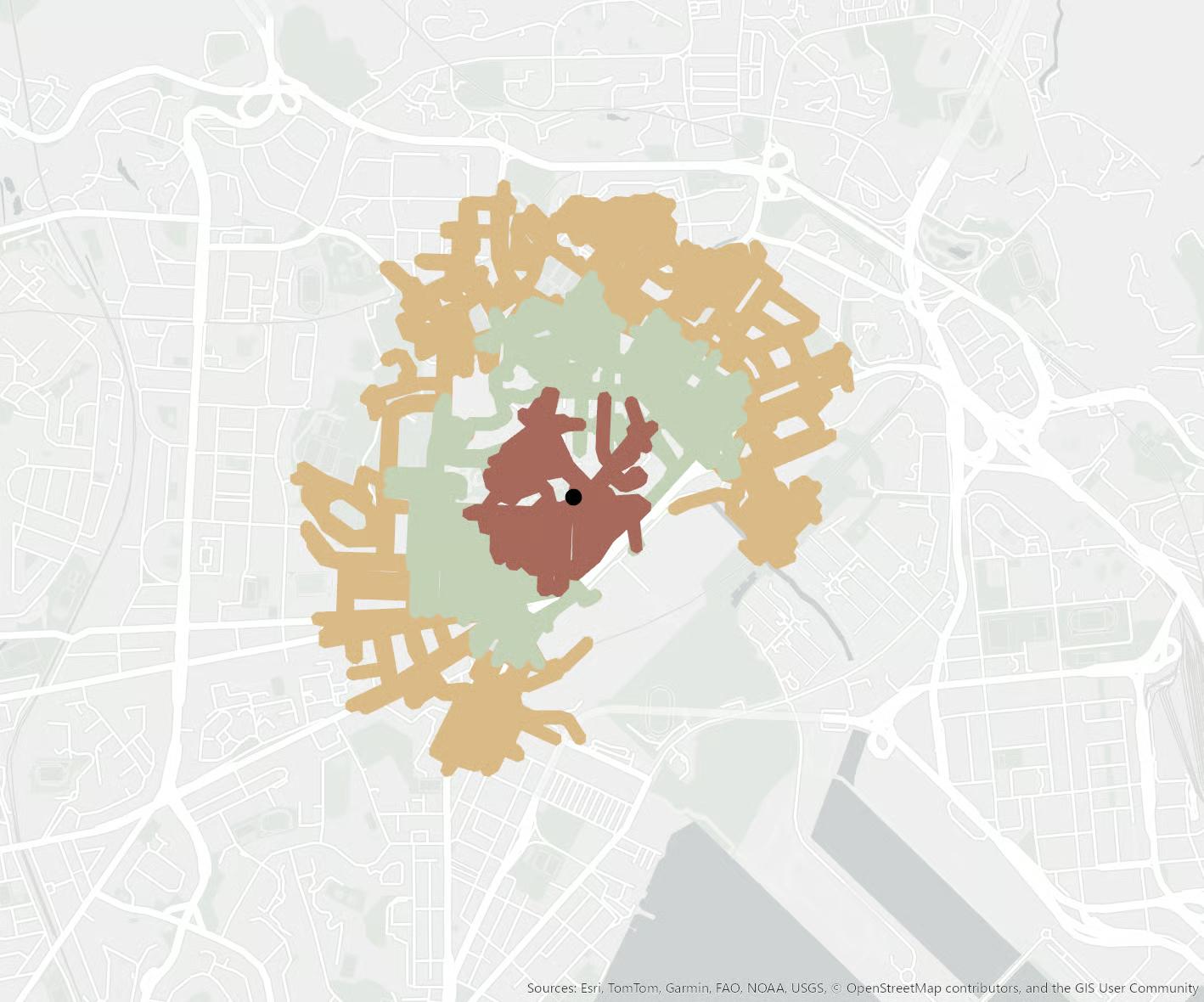
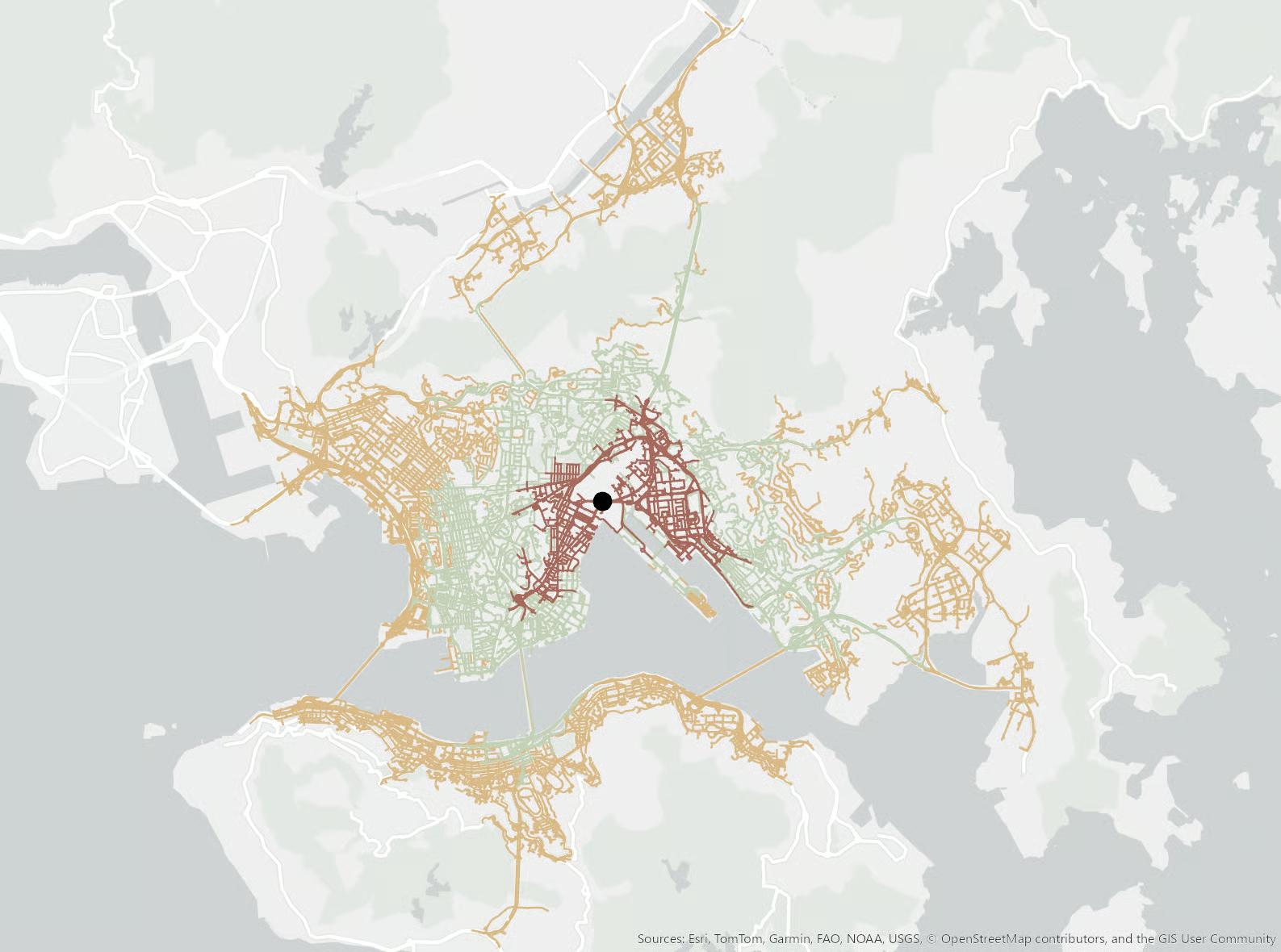
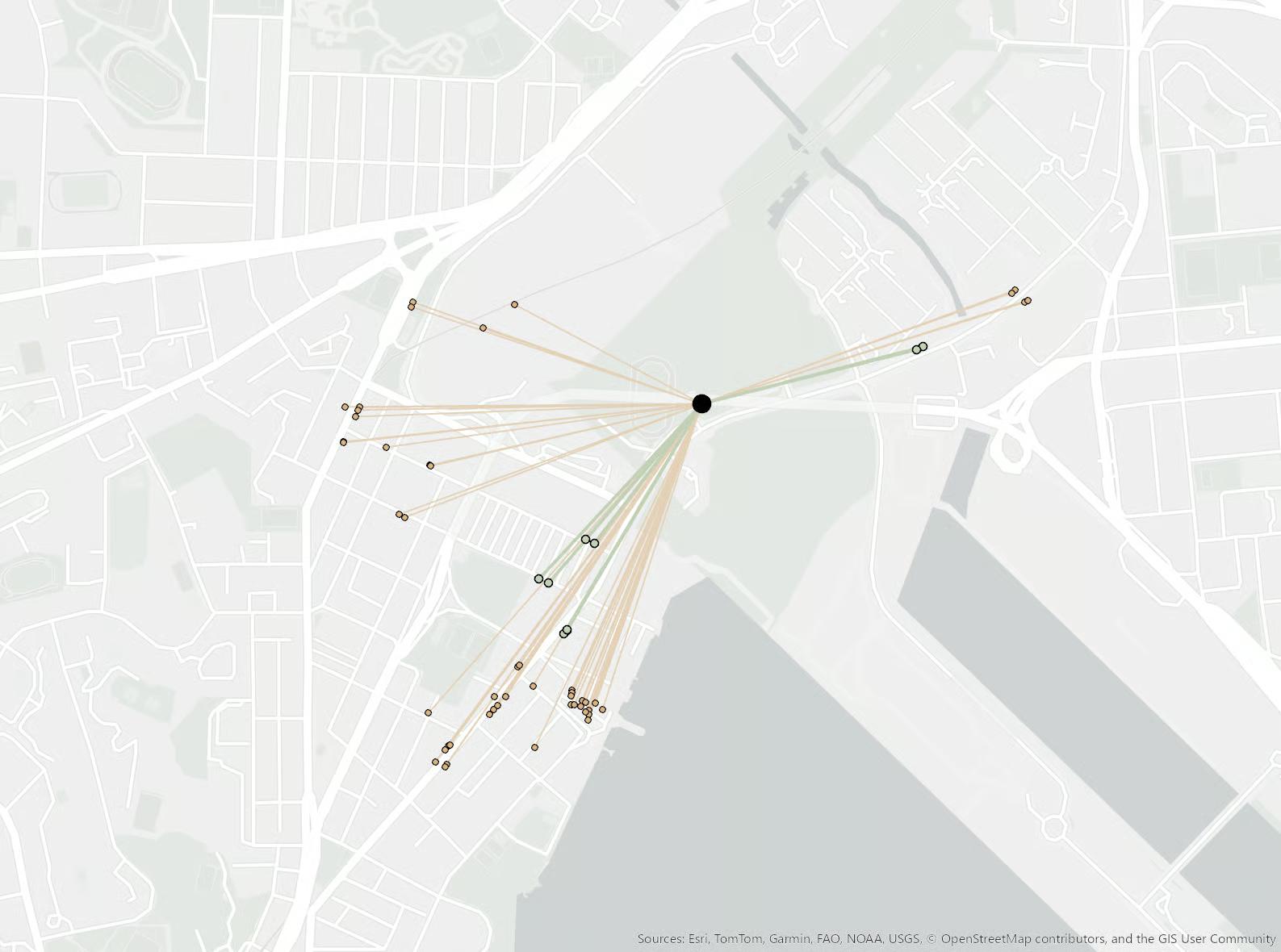
Evaluating the physical and infrastructural barriers and connections that determine how easily the site can be reached by various modes of transport.
Analysis of Regional Resources and Features
Identifying and assessing natural, cultural, and built resources within the region to understand their impact on the site's potential.
Kowloon City
Kai Tak
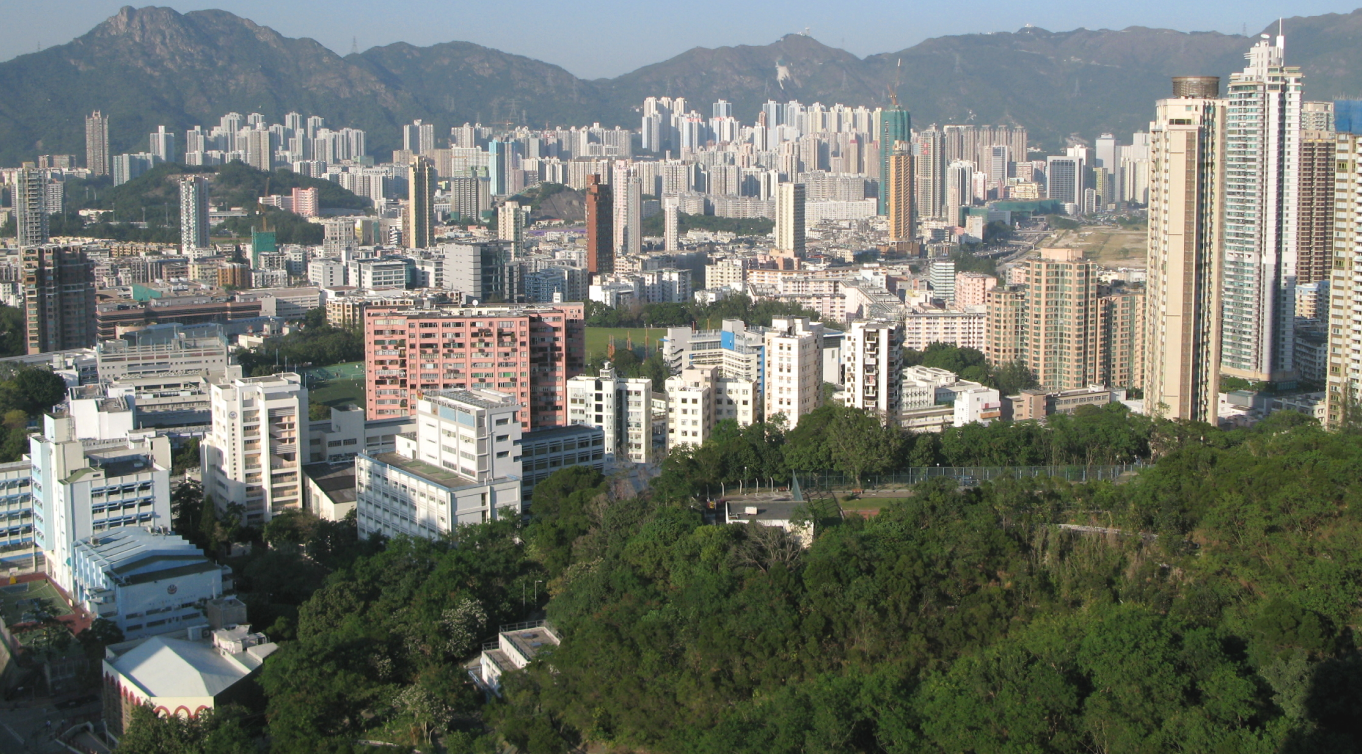
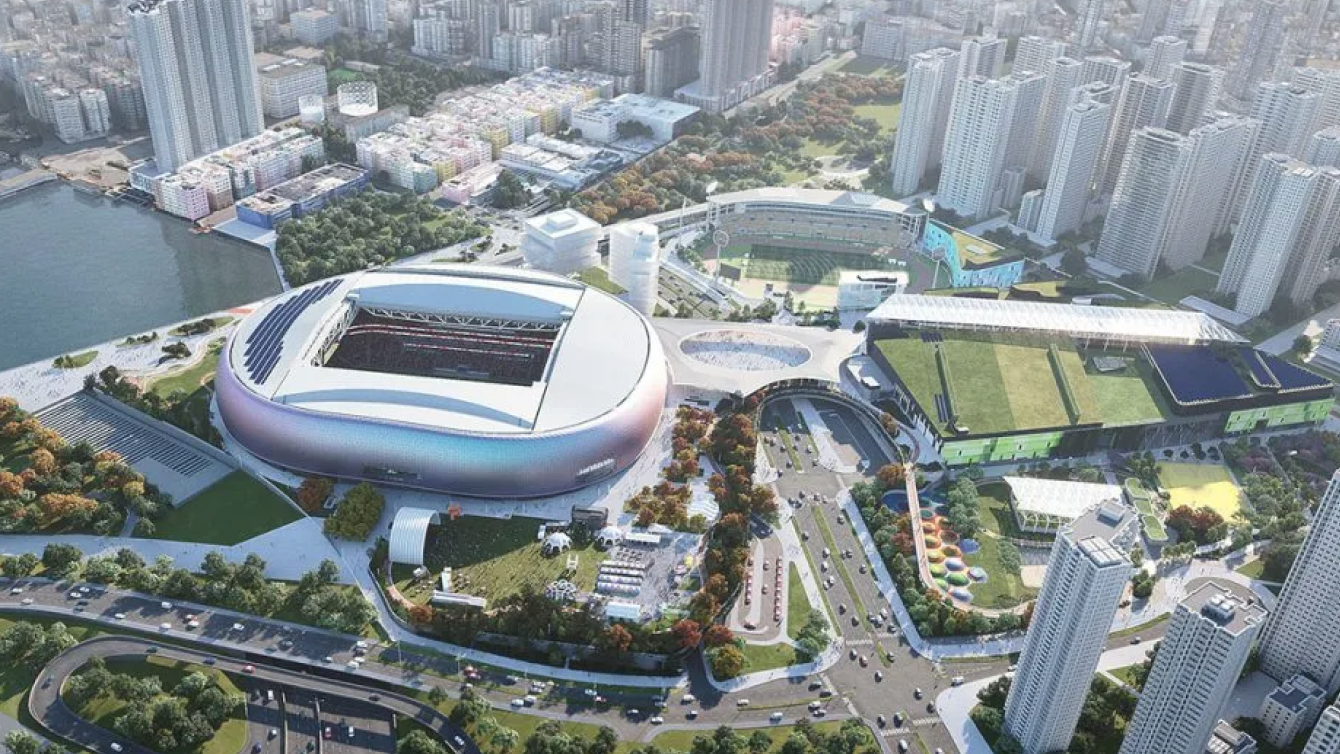
Kowloon Walled City History

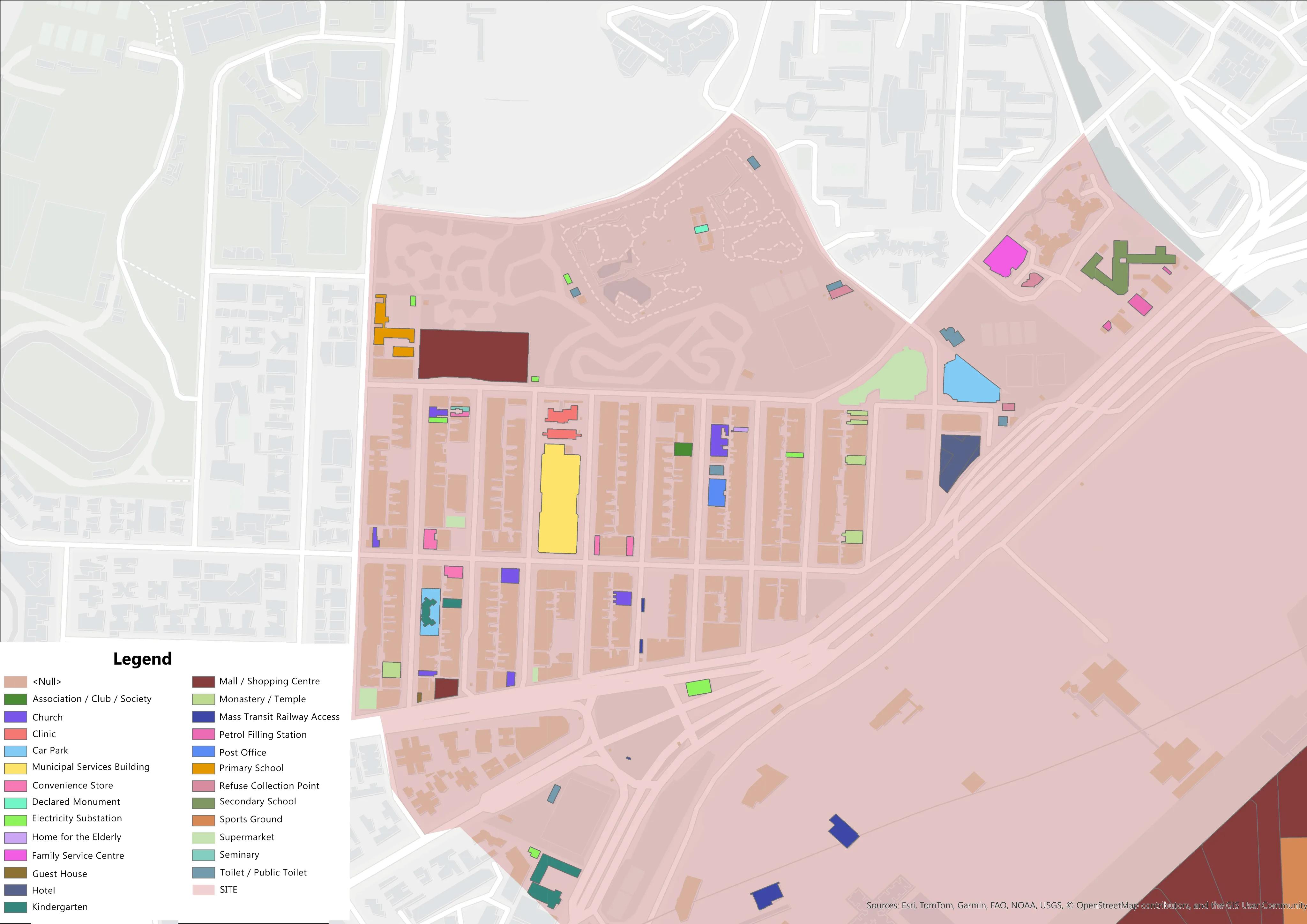
Buildings Containing POIs
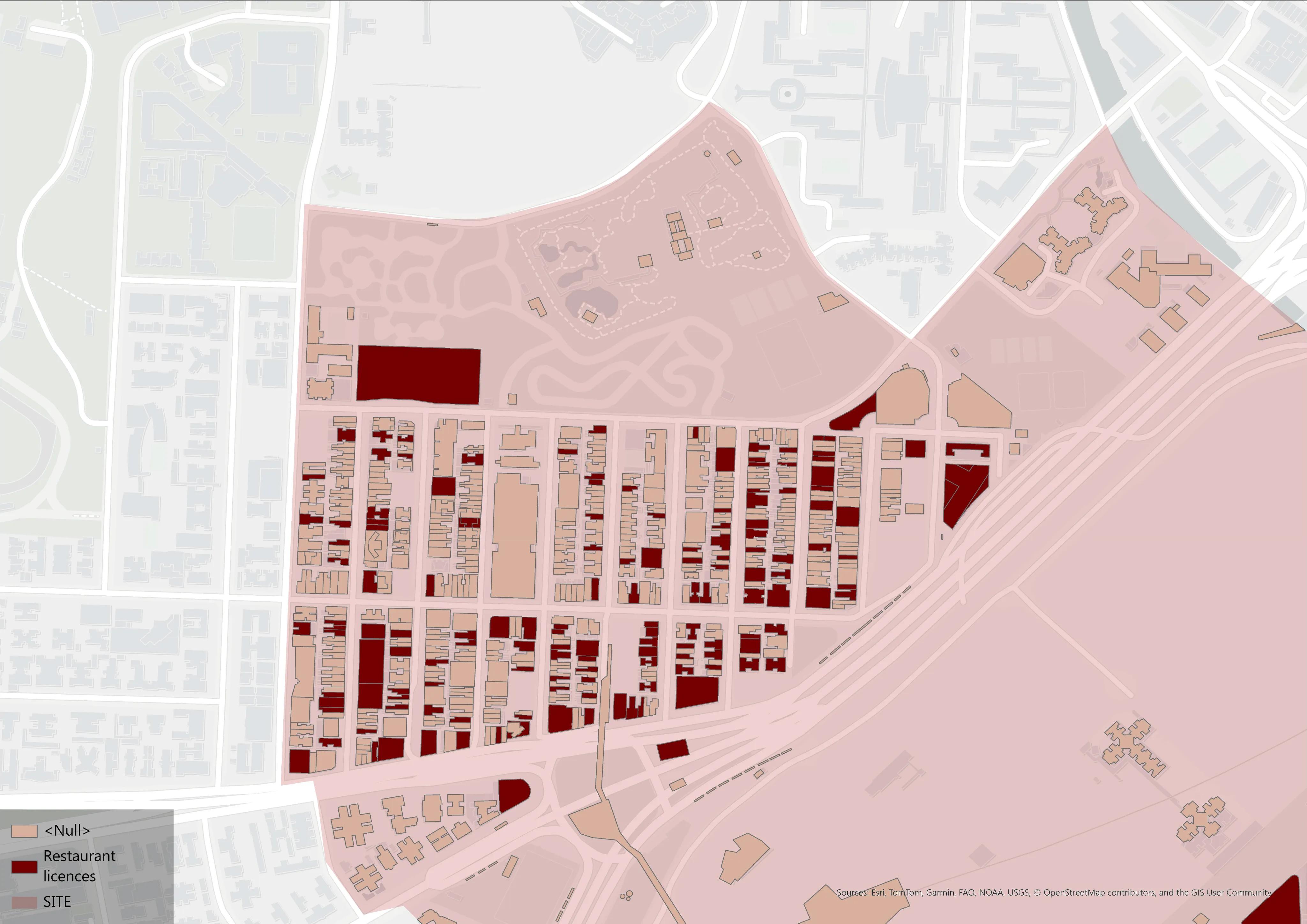
Restaurant (Ground Level)
Tourist Route Map
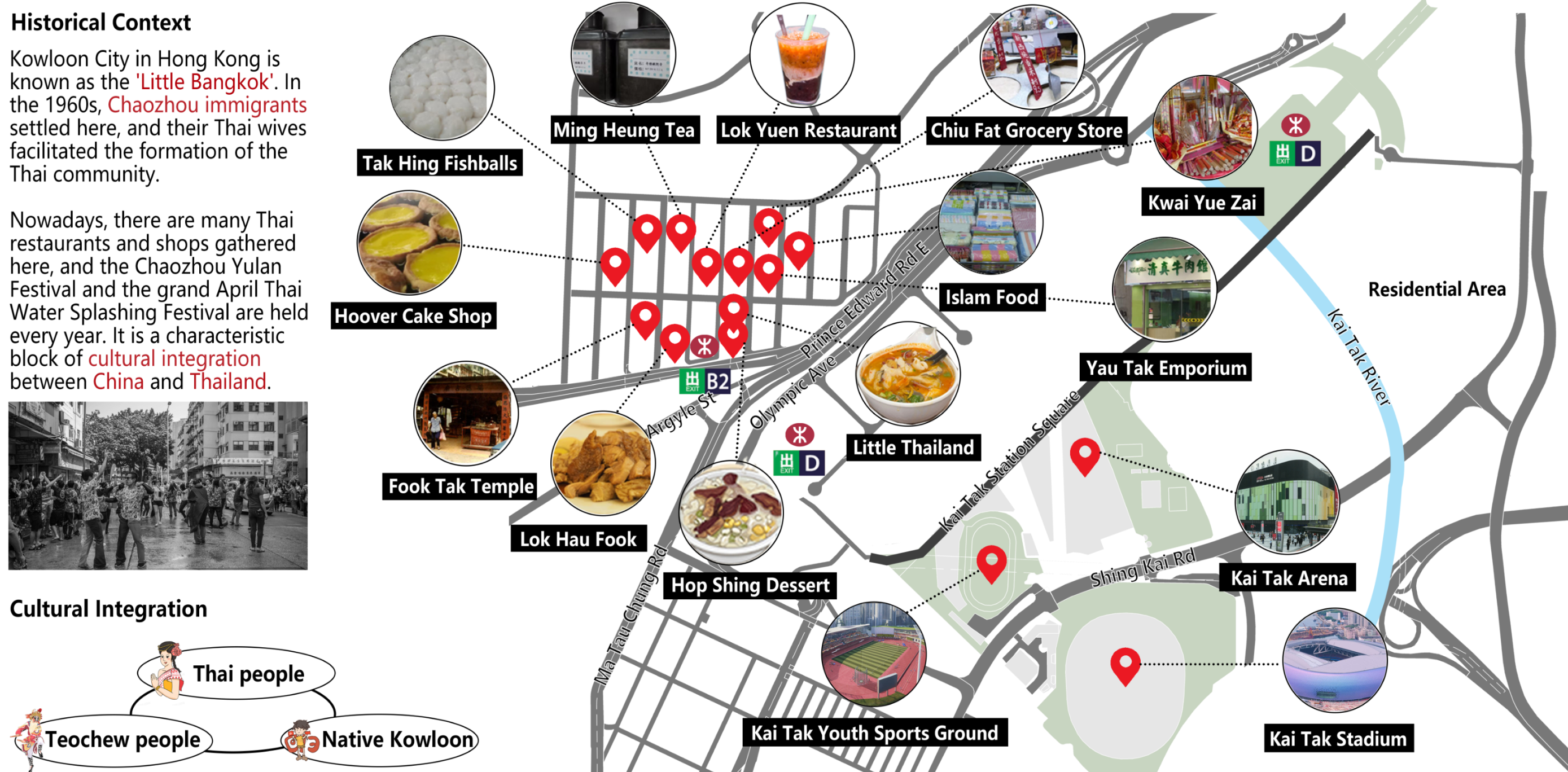
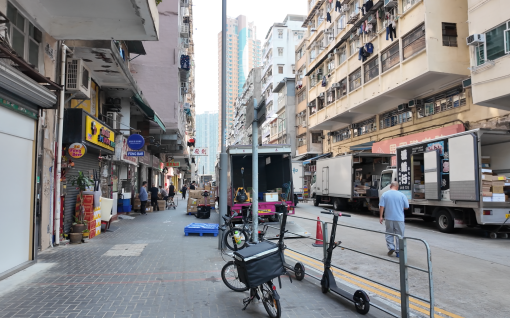
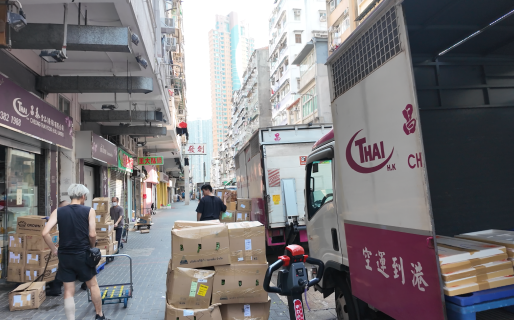
"Little Thailand"
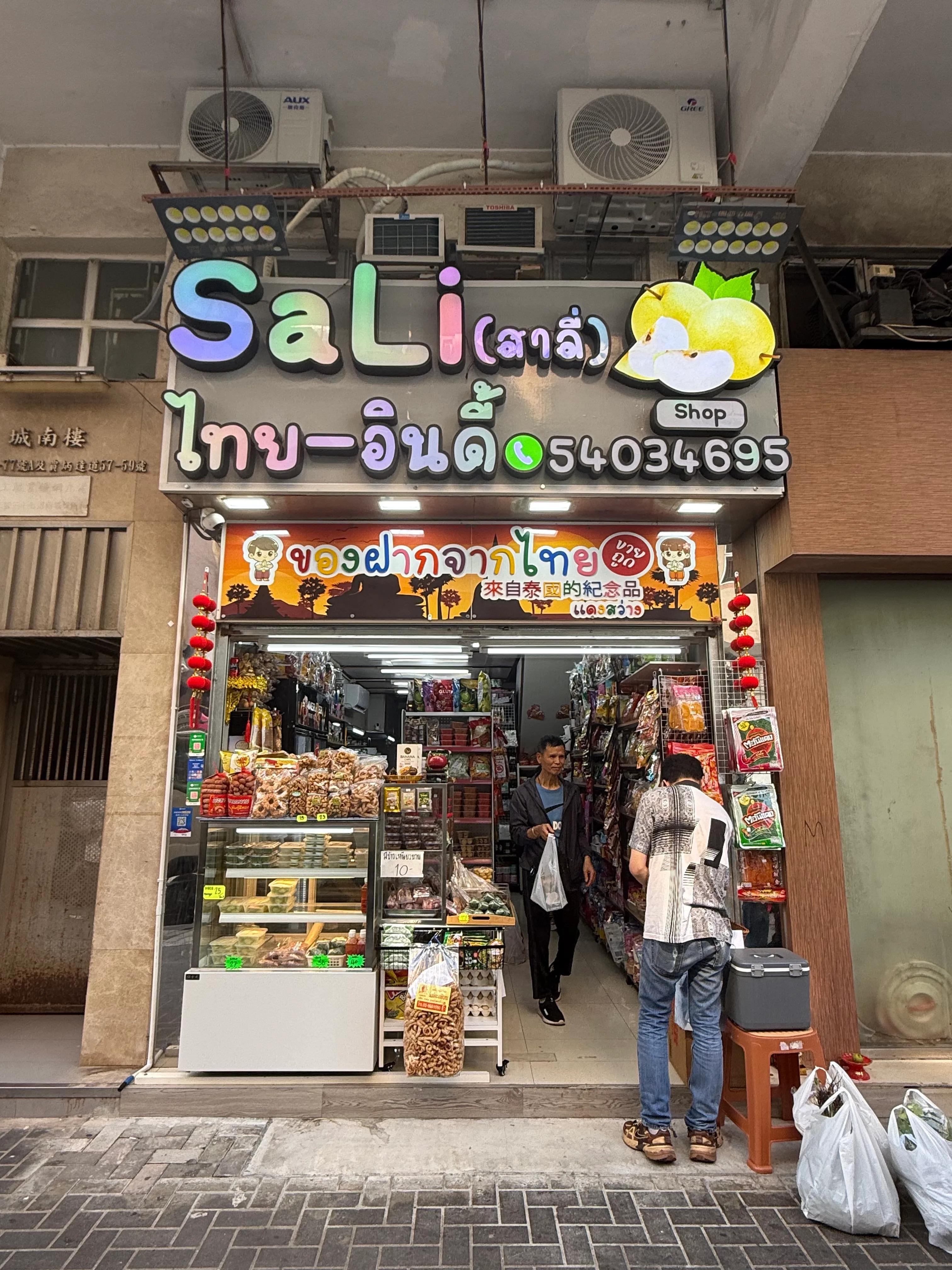
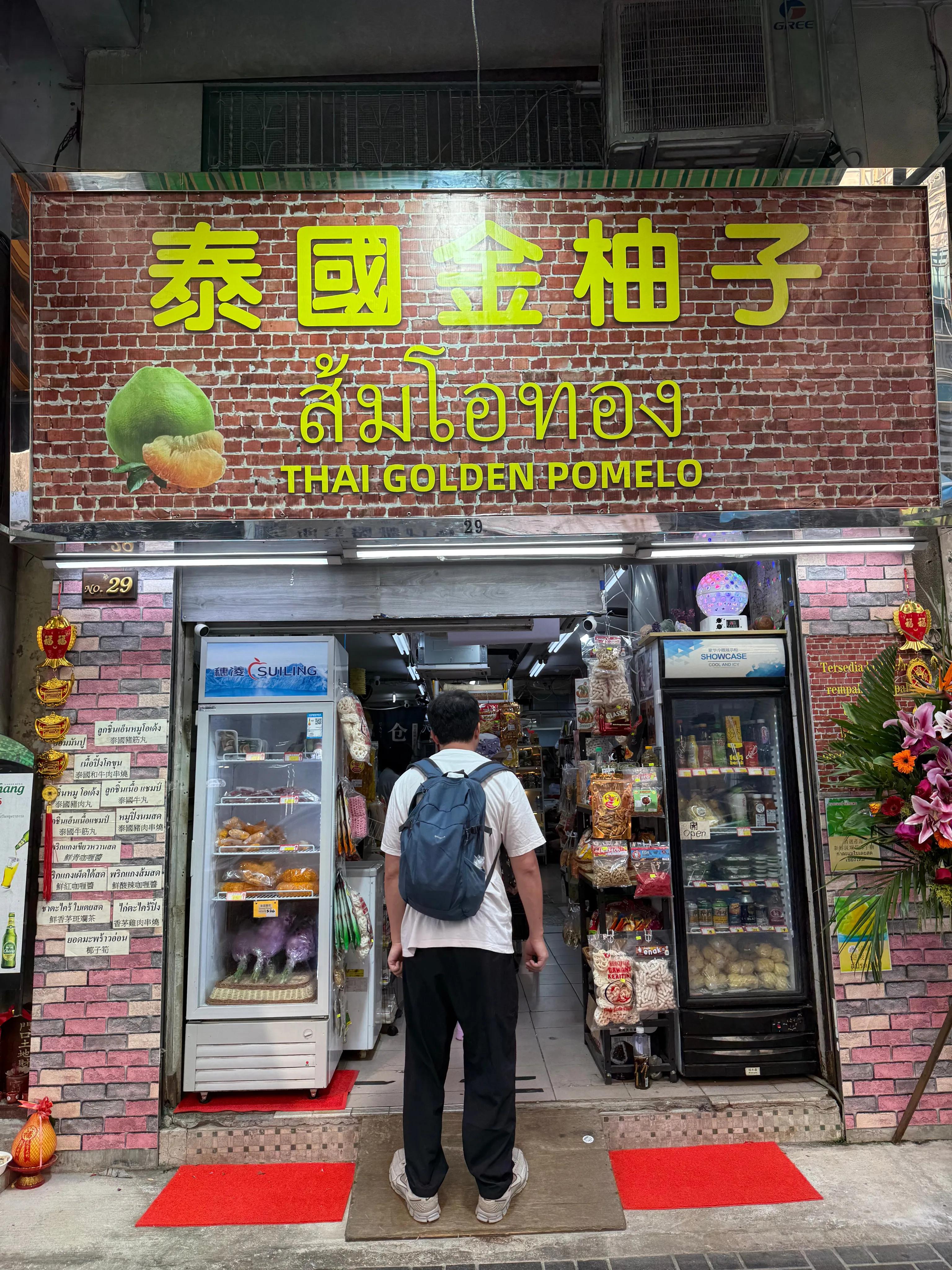
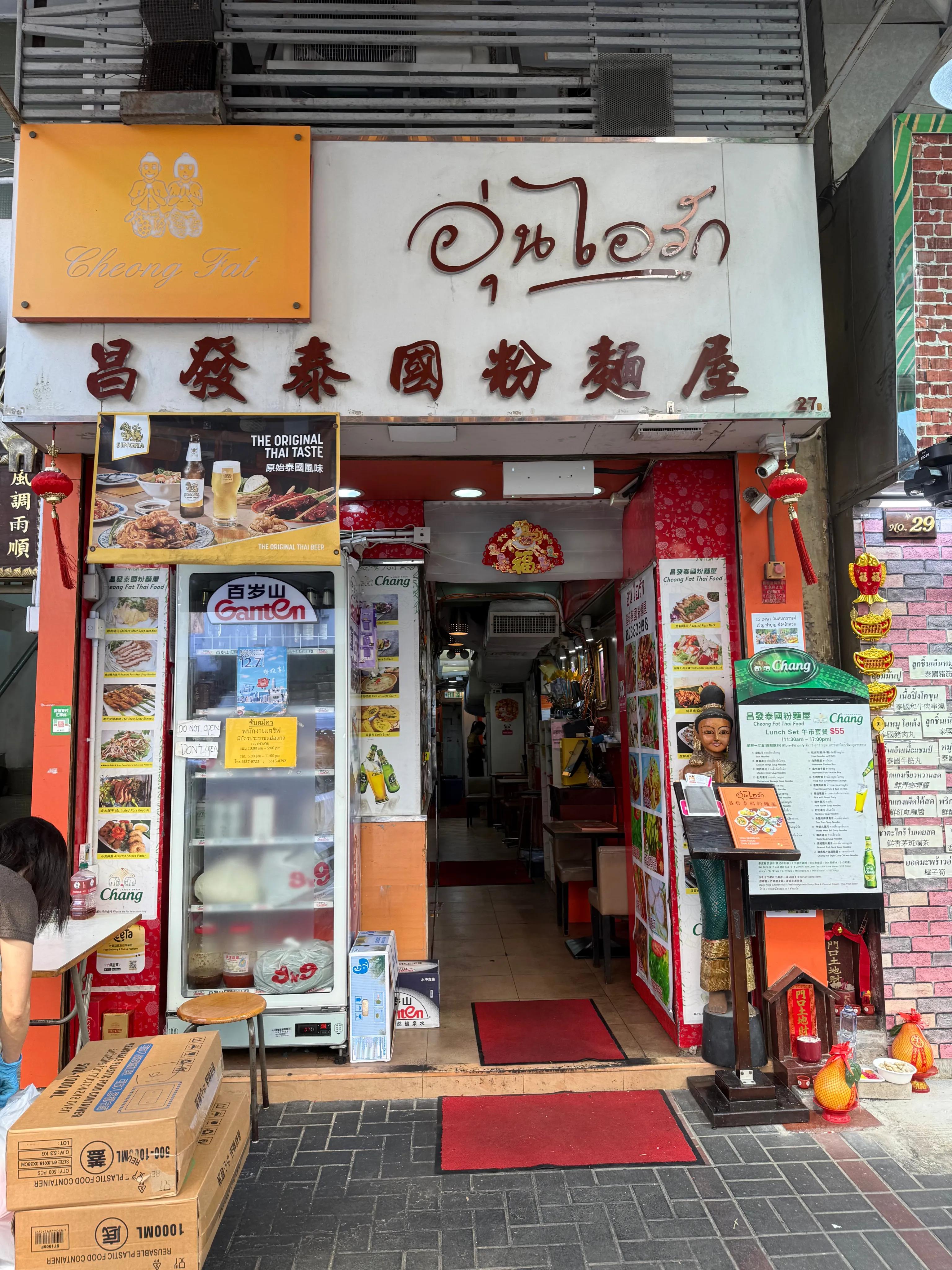
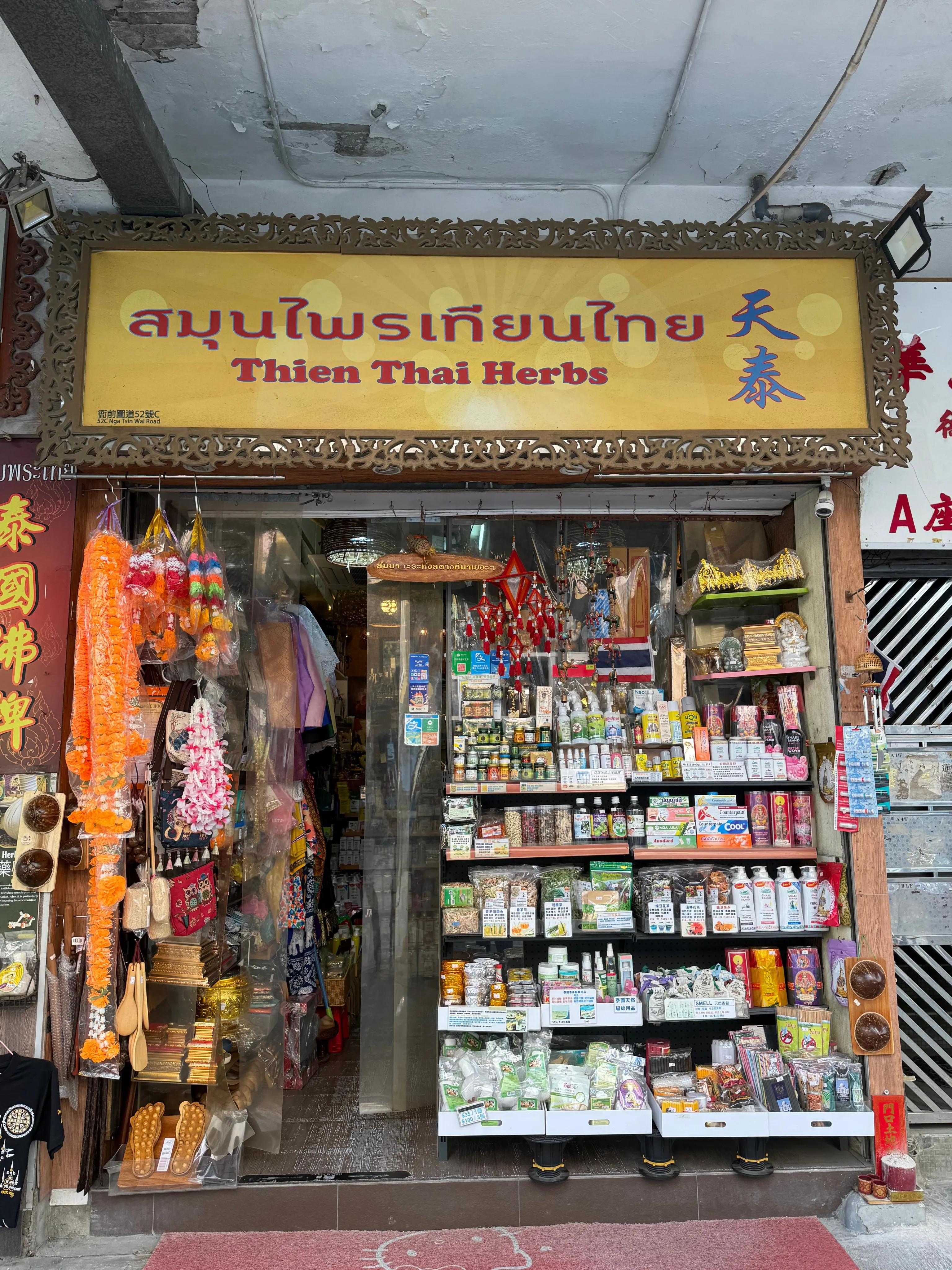
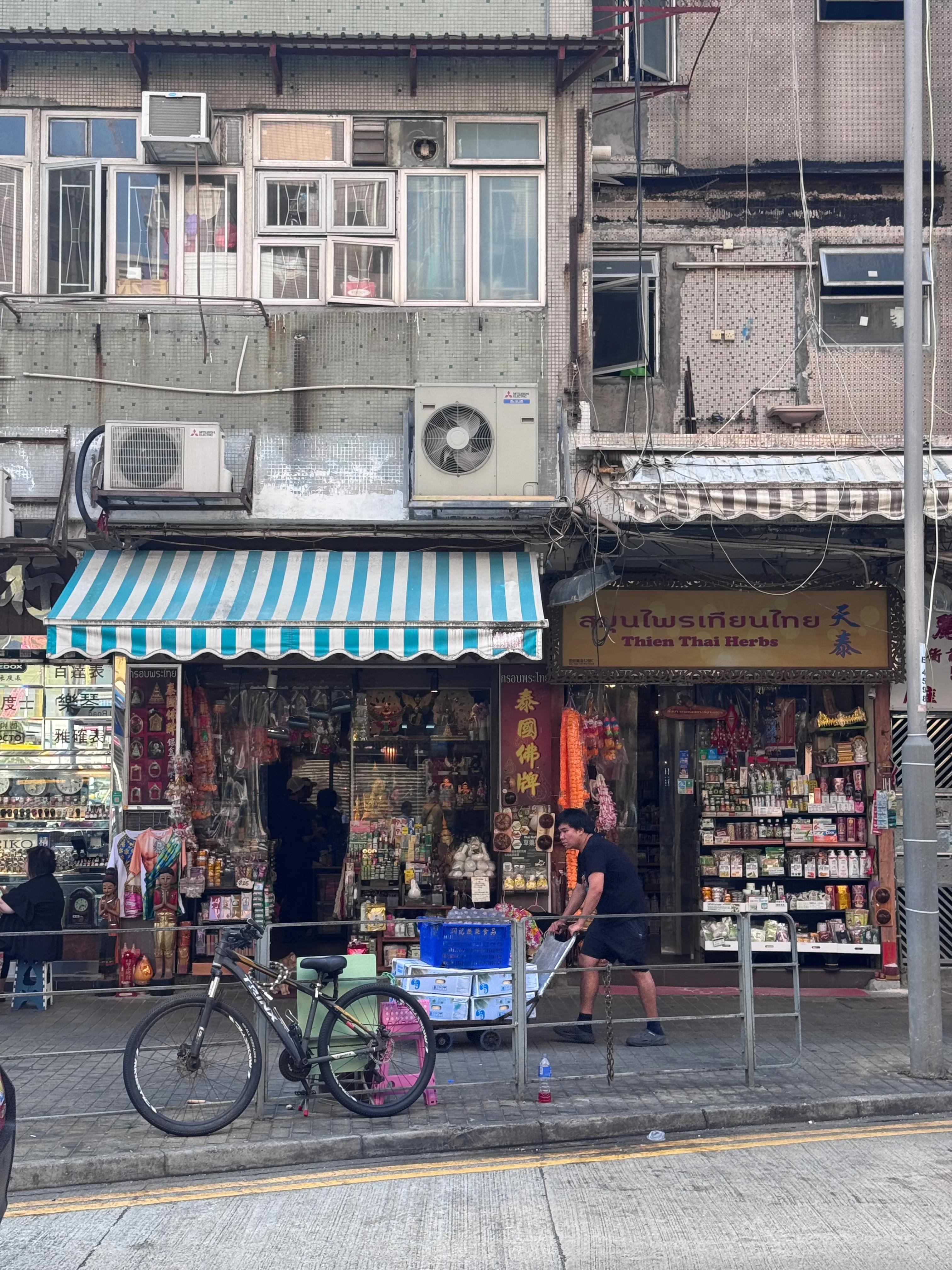
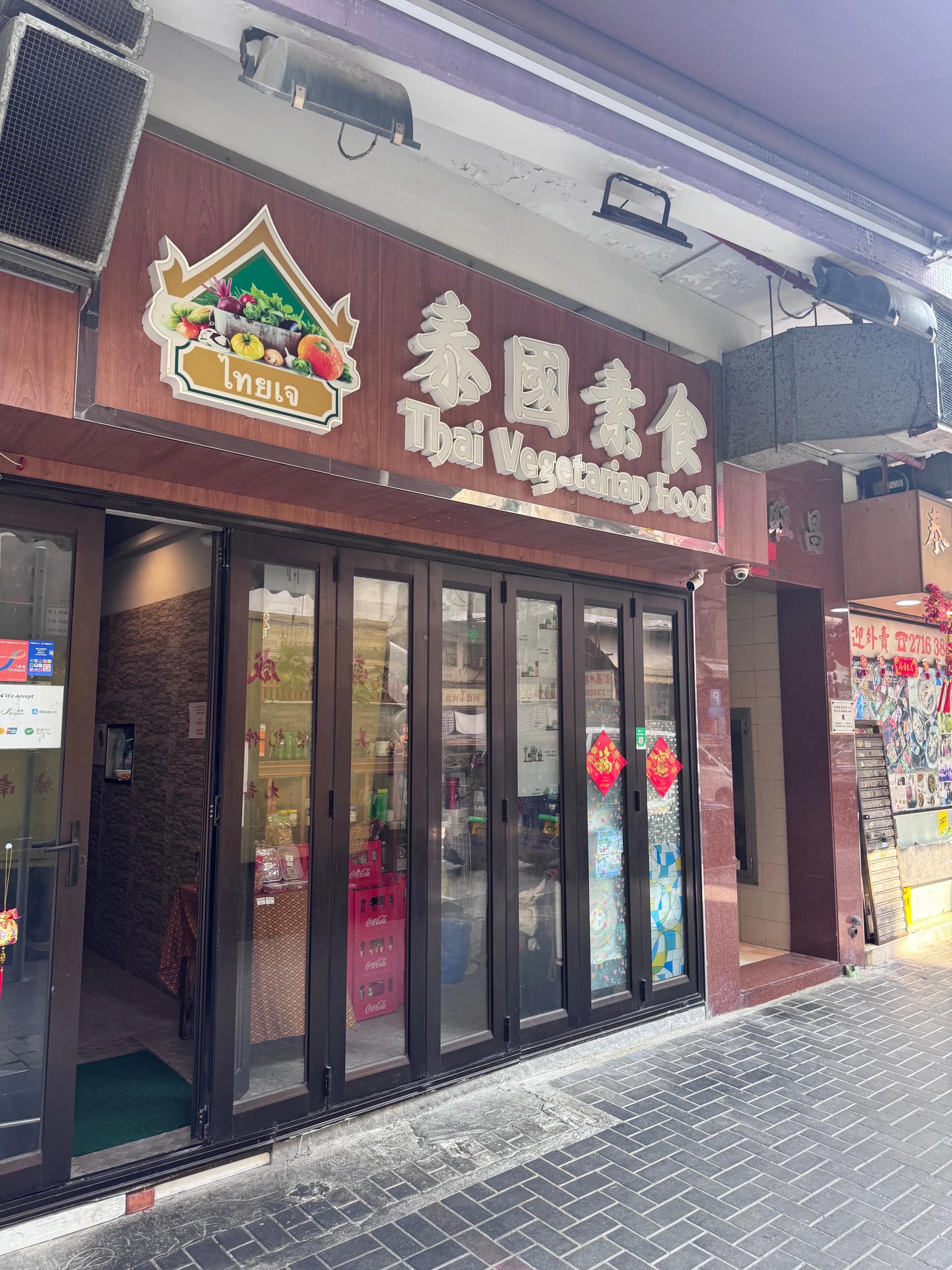
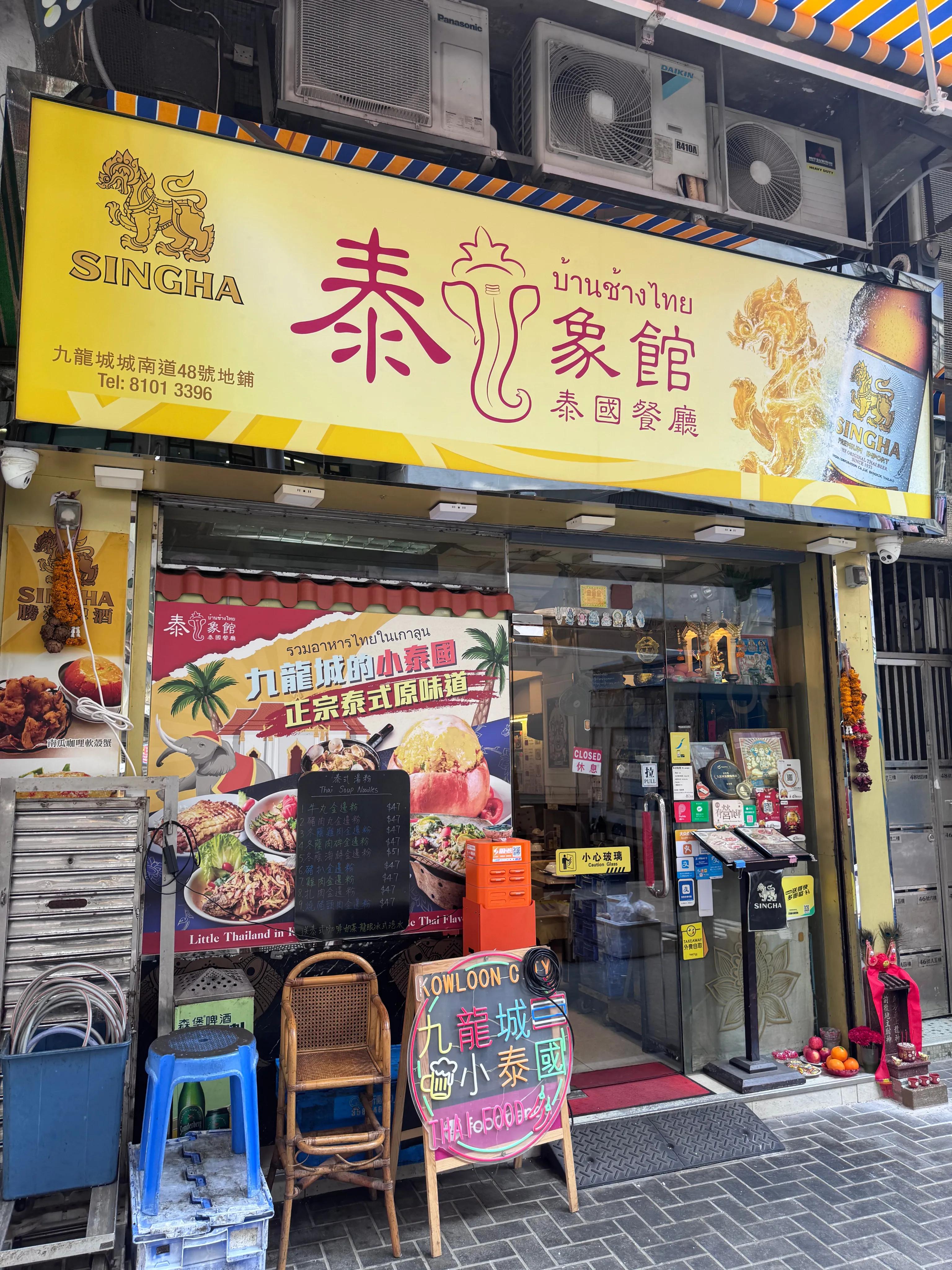
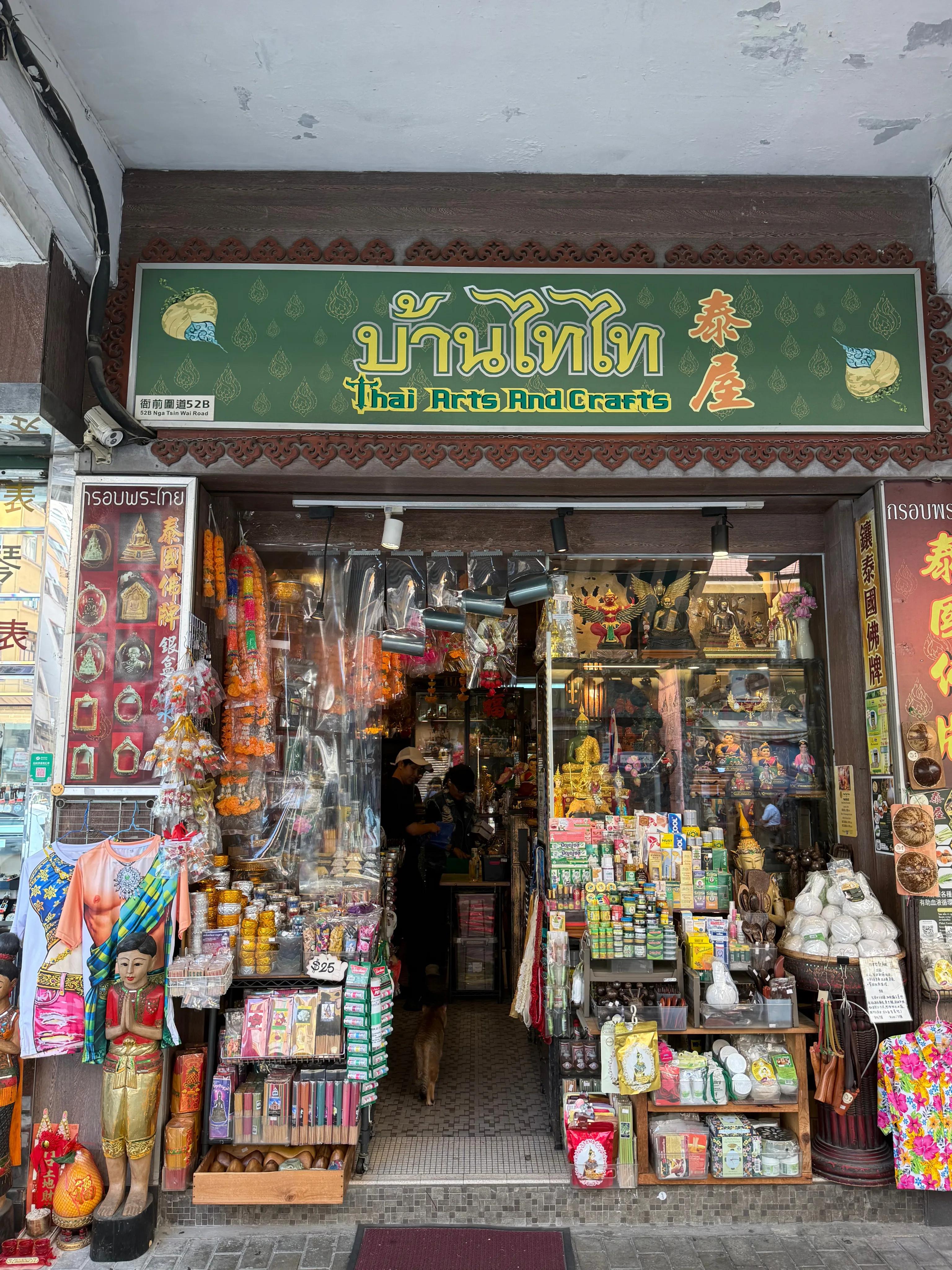
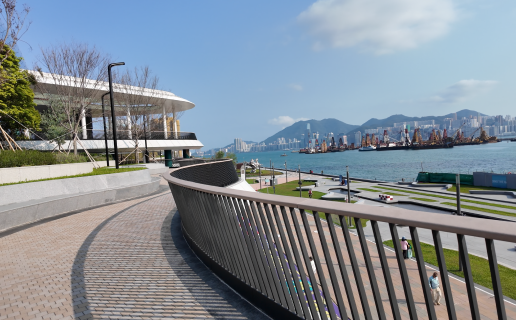
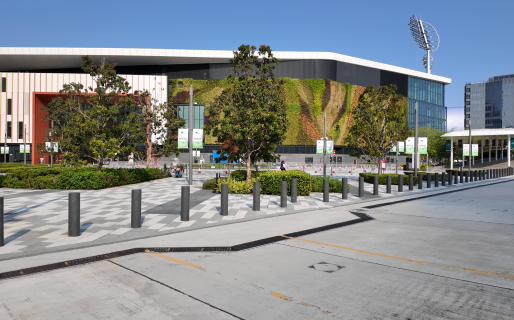
Kai Tak
Kowloon City
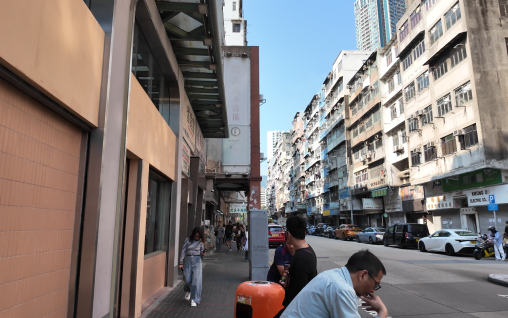
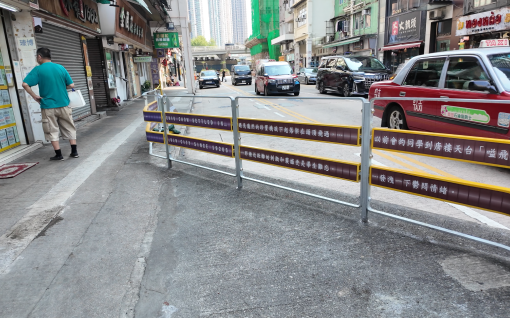
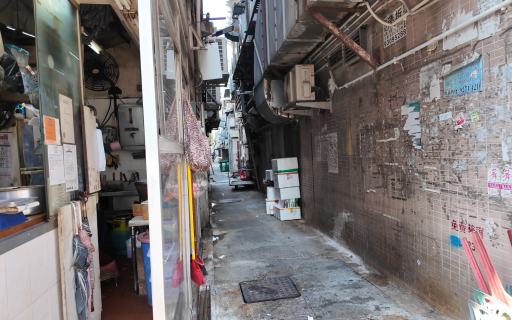
Site Analysis
A comprehensive investigation into the site's physical characteristics, environmental conditions, and micro-urban context.
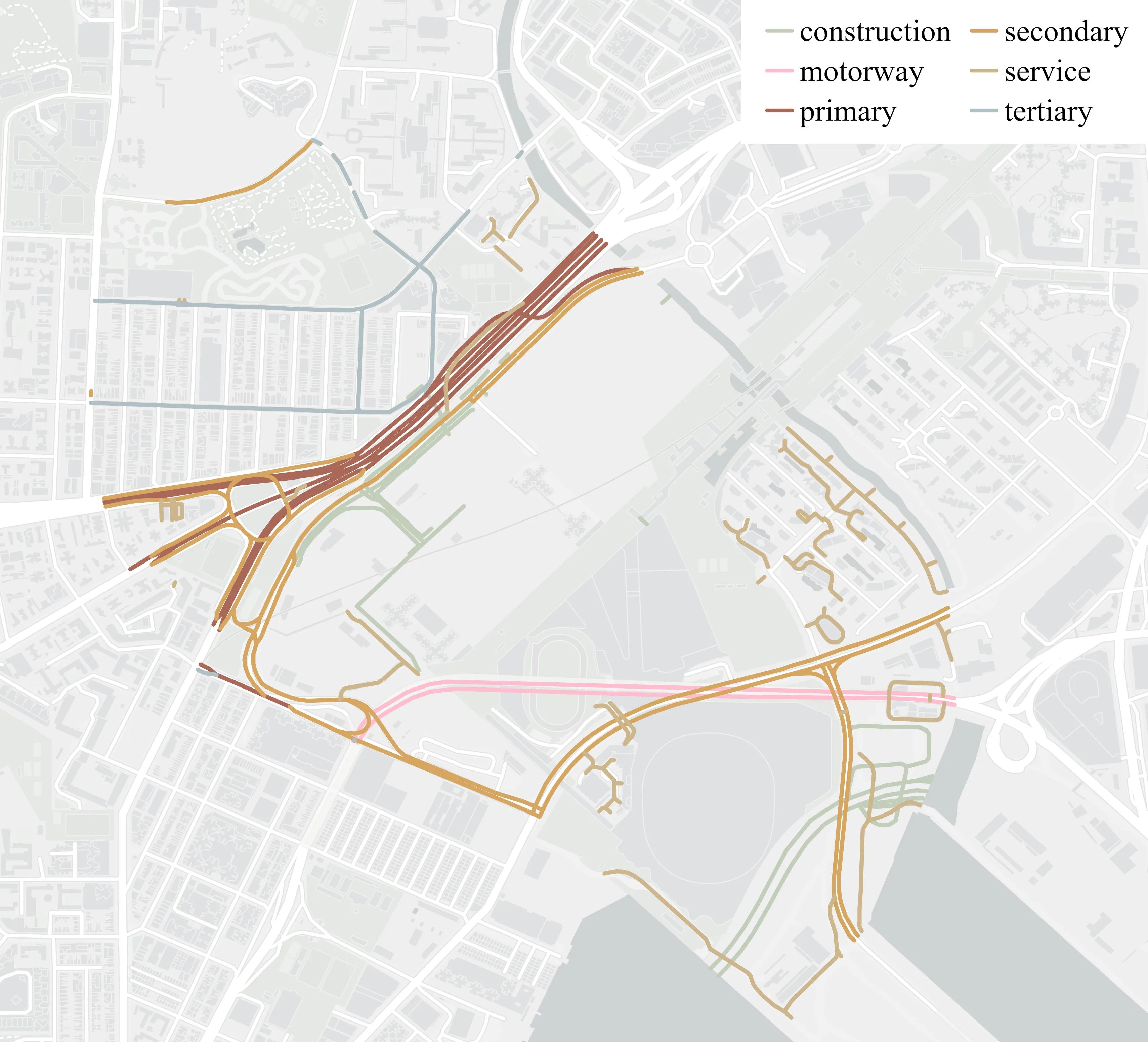
Road Hierarchy
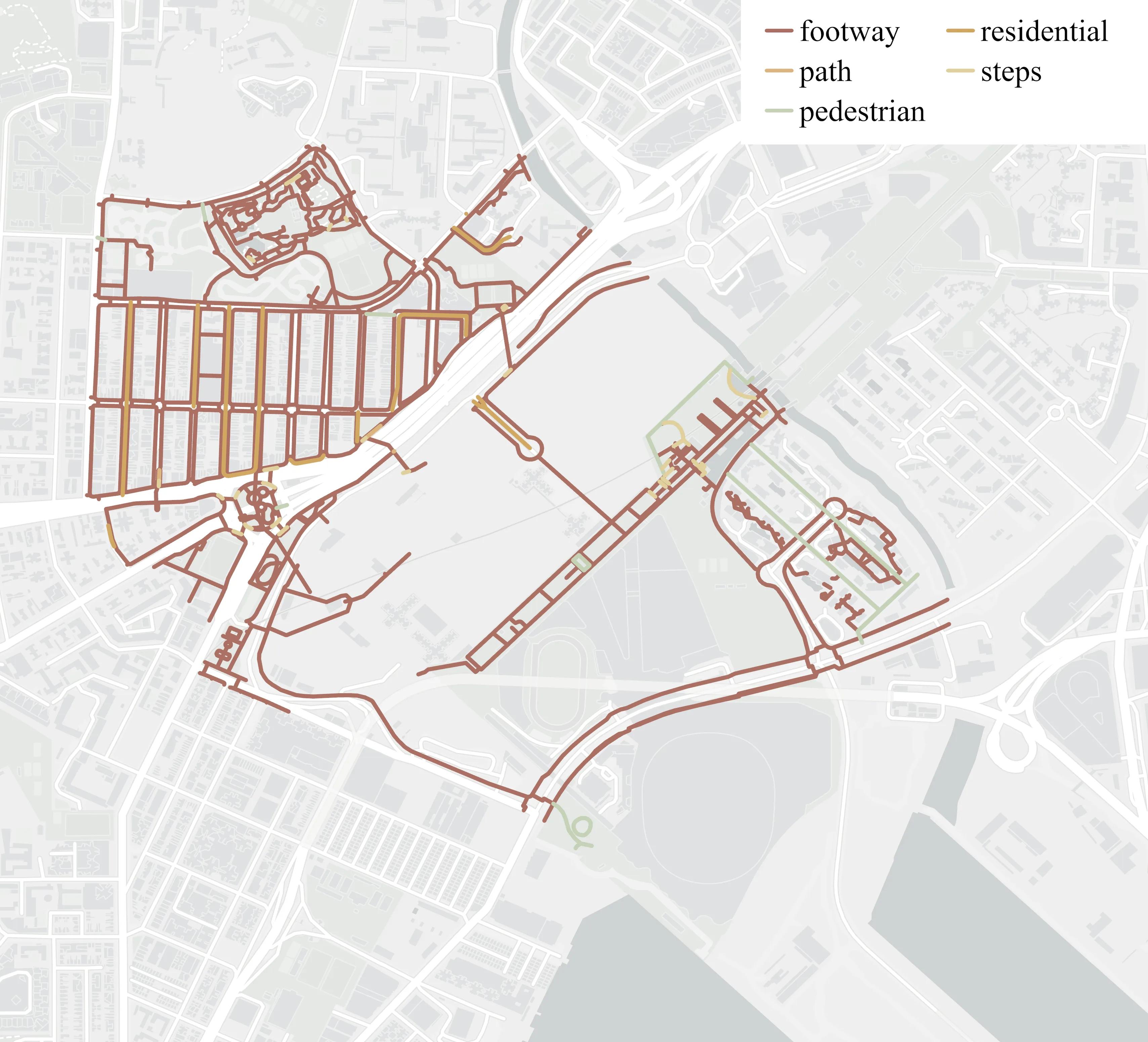
Pedestrian Hierarchy
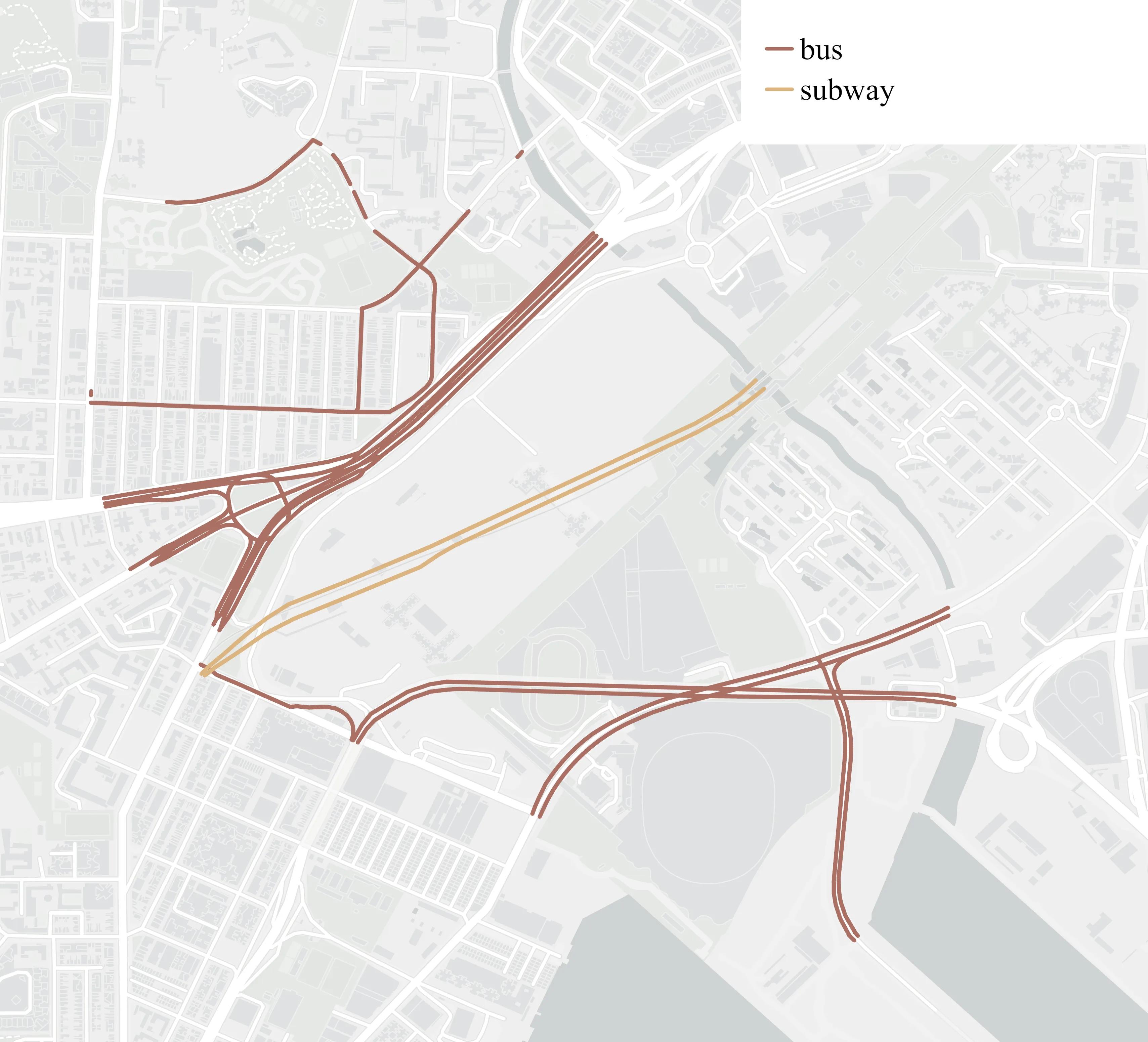
Public Transport Network
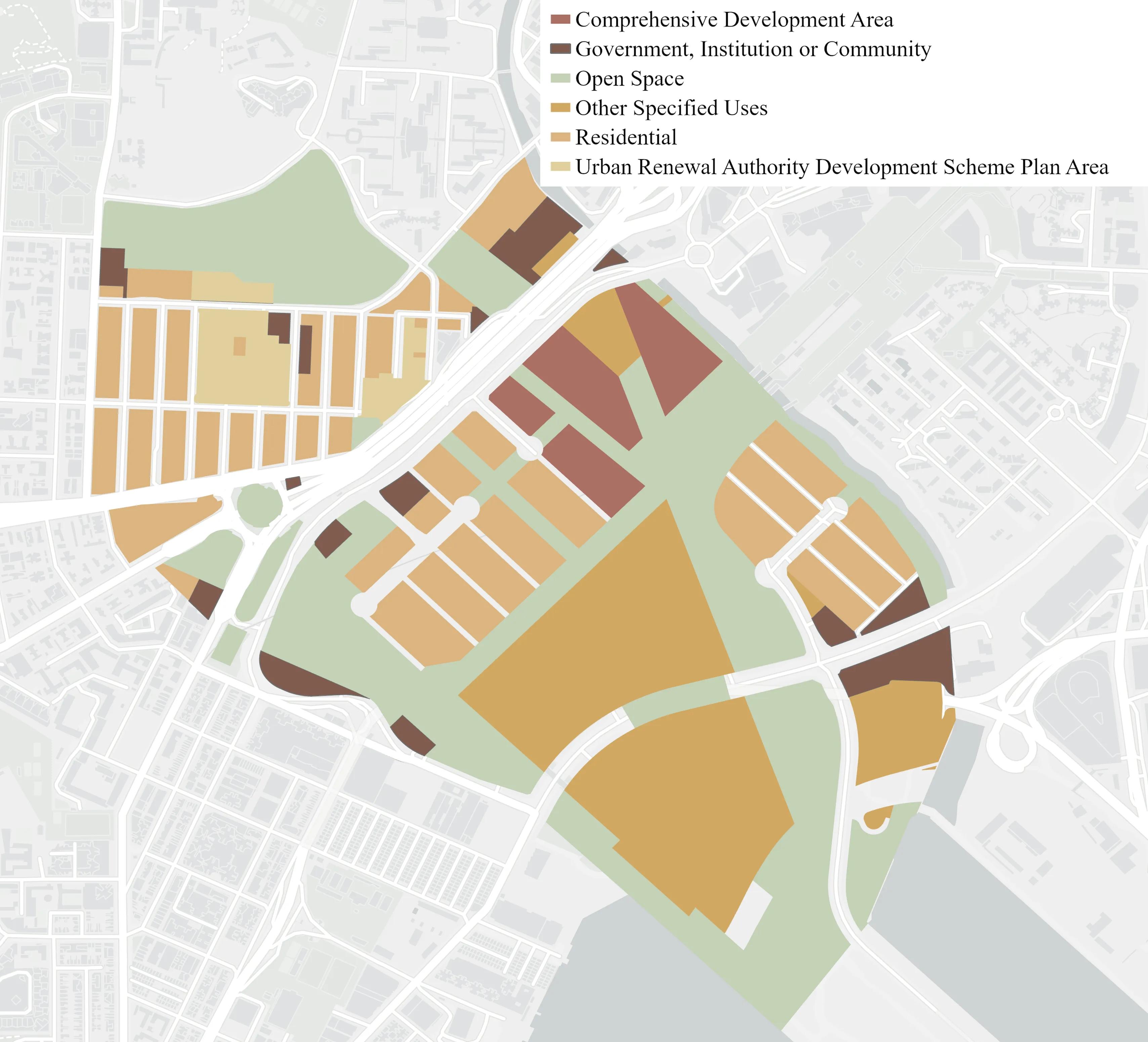
Land Use
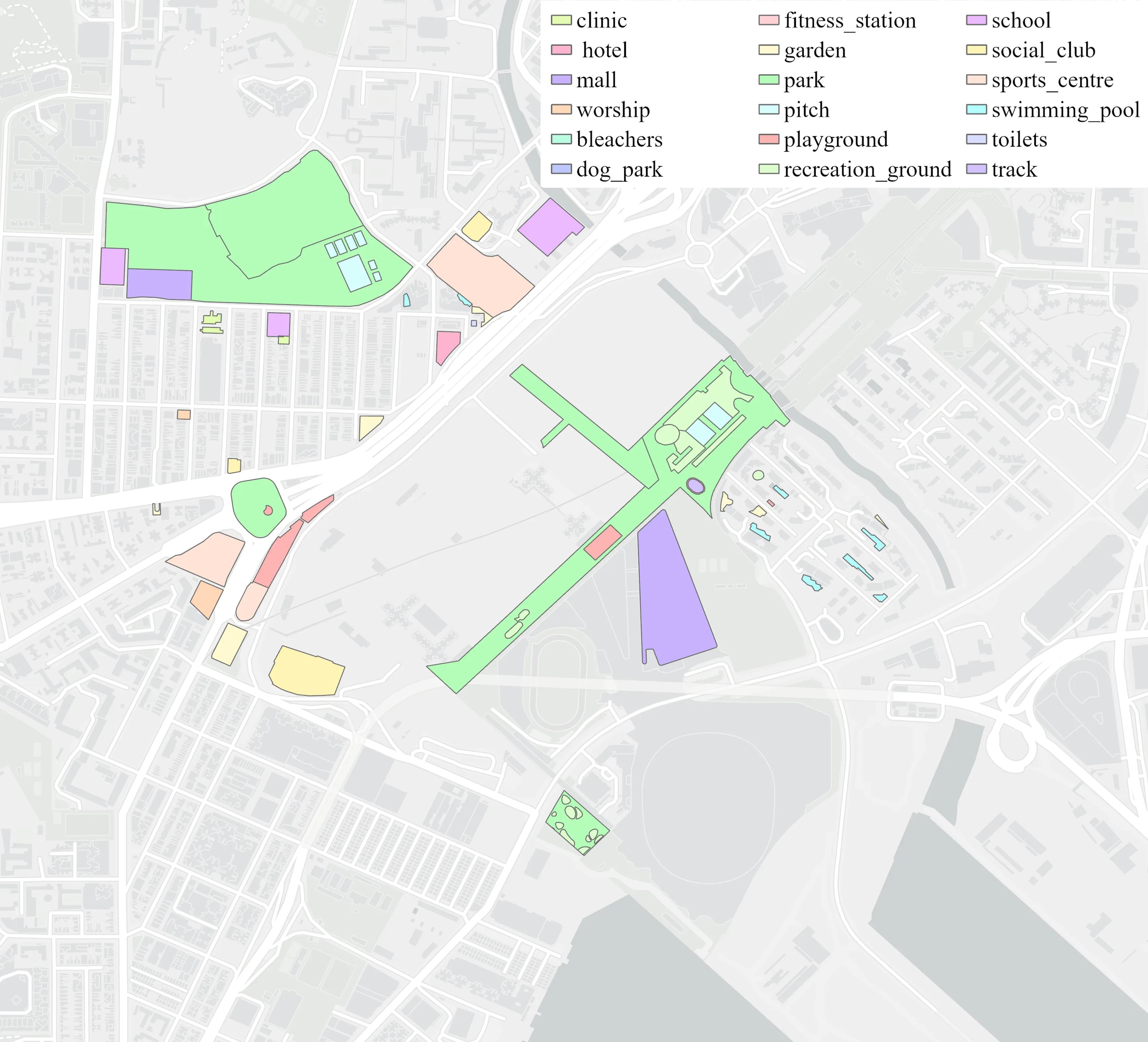
Public Facilities
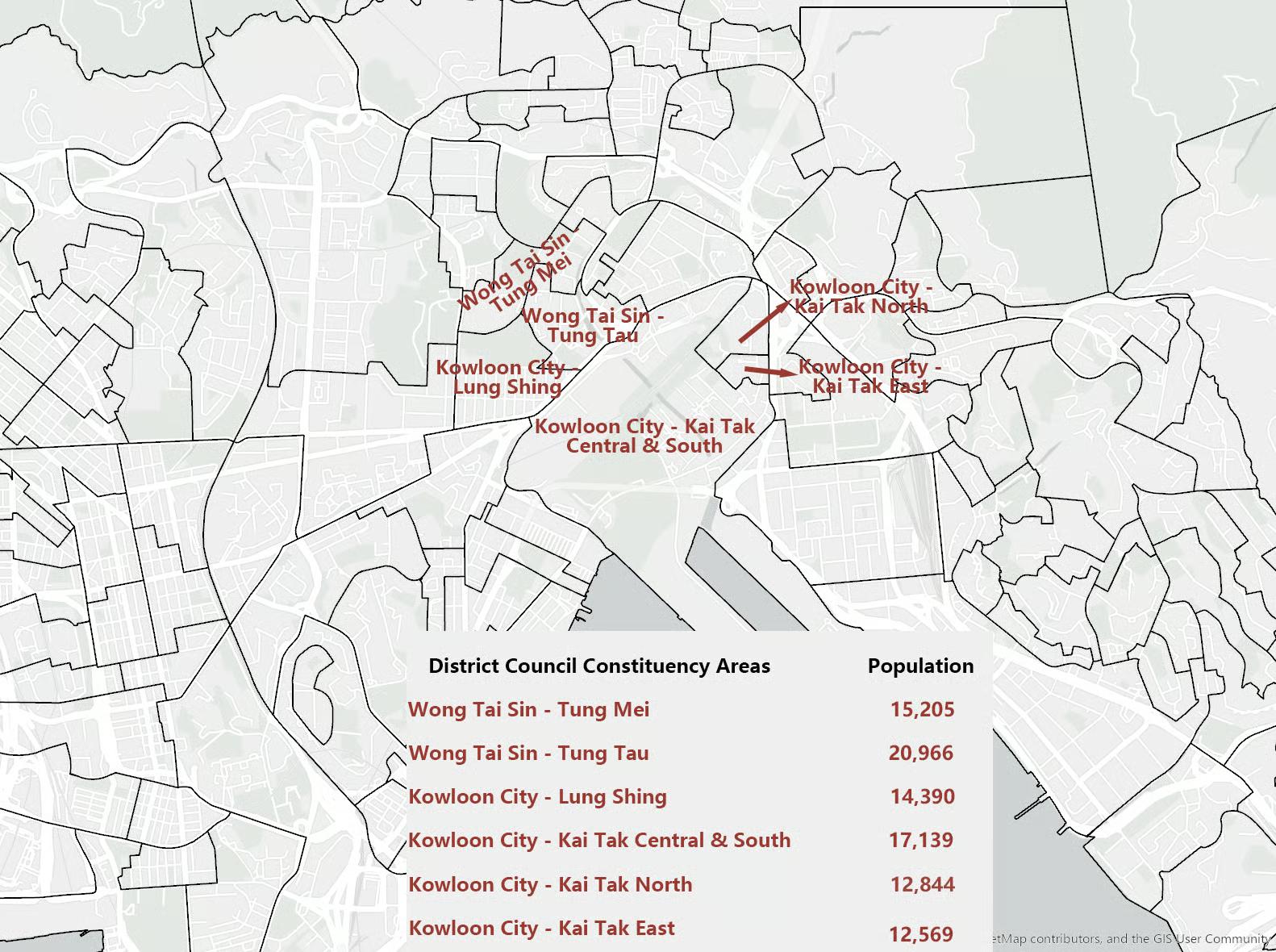
Population
Analyzing the demographic composition, distribution, and characteristics of the local population to inform design strategies.
Population
Population by age group

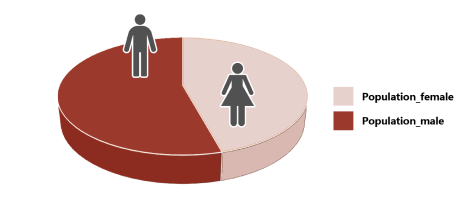
Population by sex
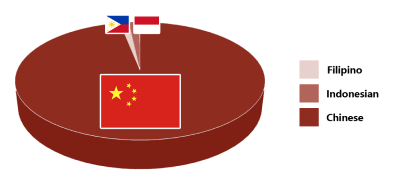
Population by ethnicity
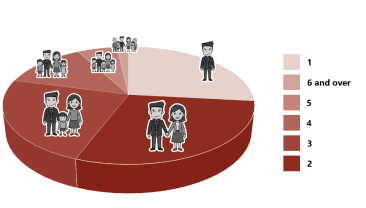
Domestic households by household size
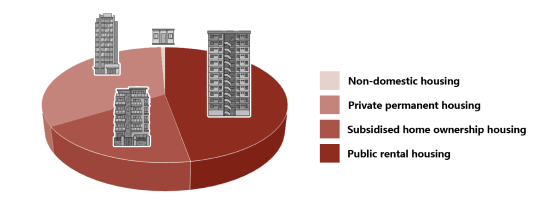
Population by type of housing
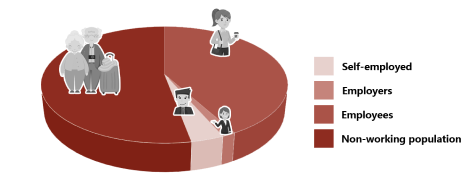
Working population by employment status
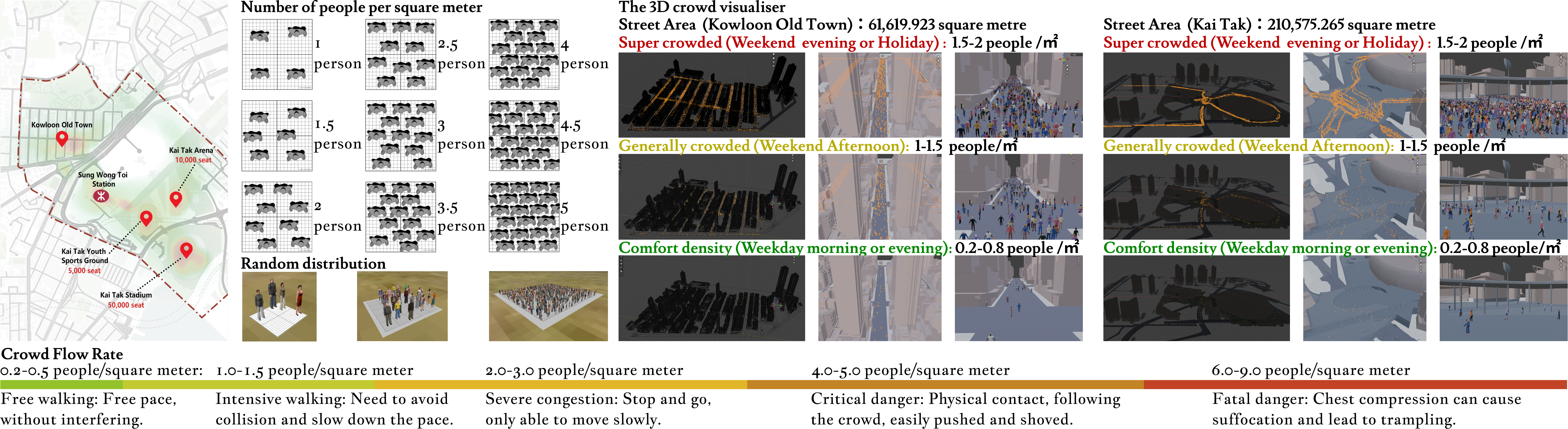
Pedestrian Flow Analysis
Mapping and evaluating the volume, density, and patterns of pedestrian movement across different times and zones.
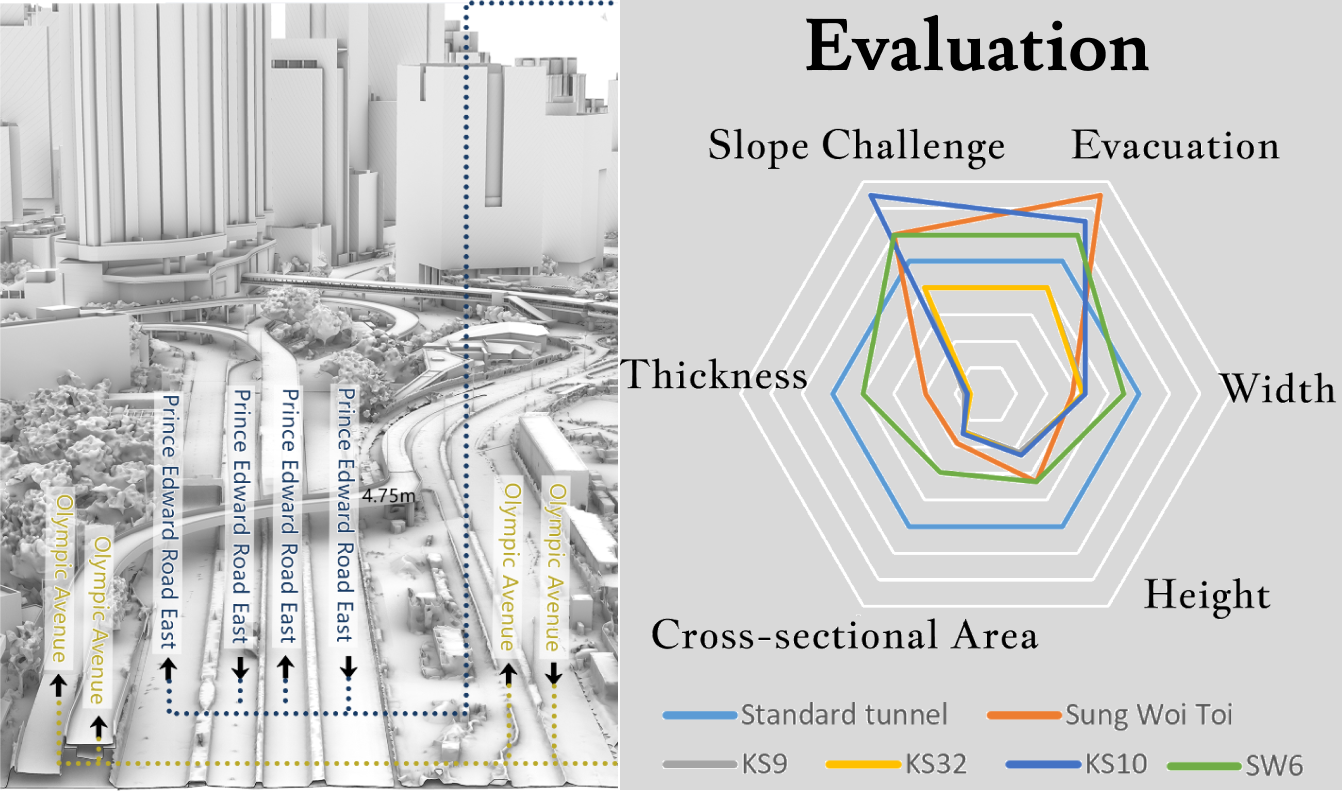
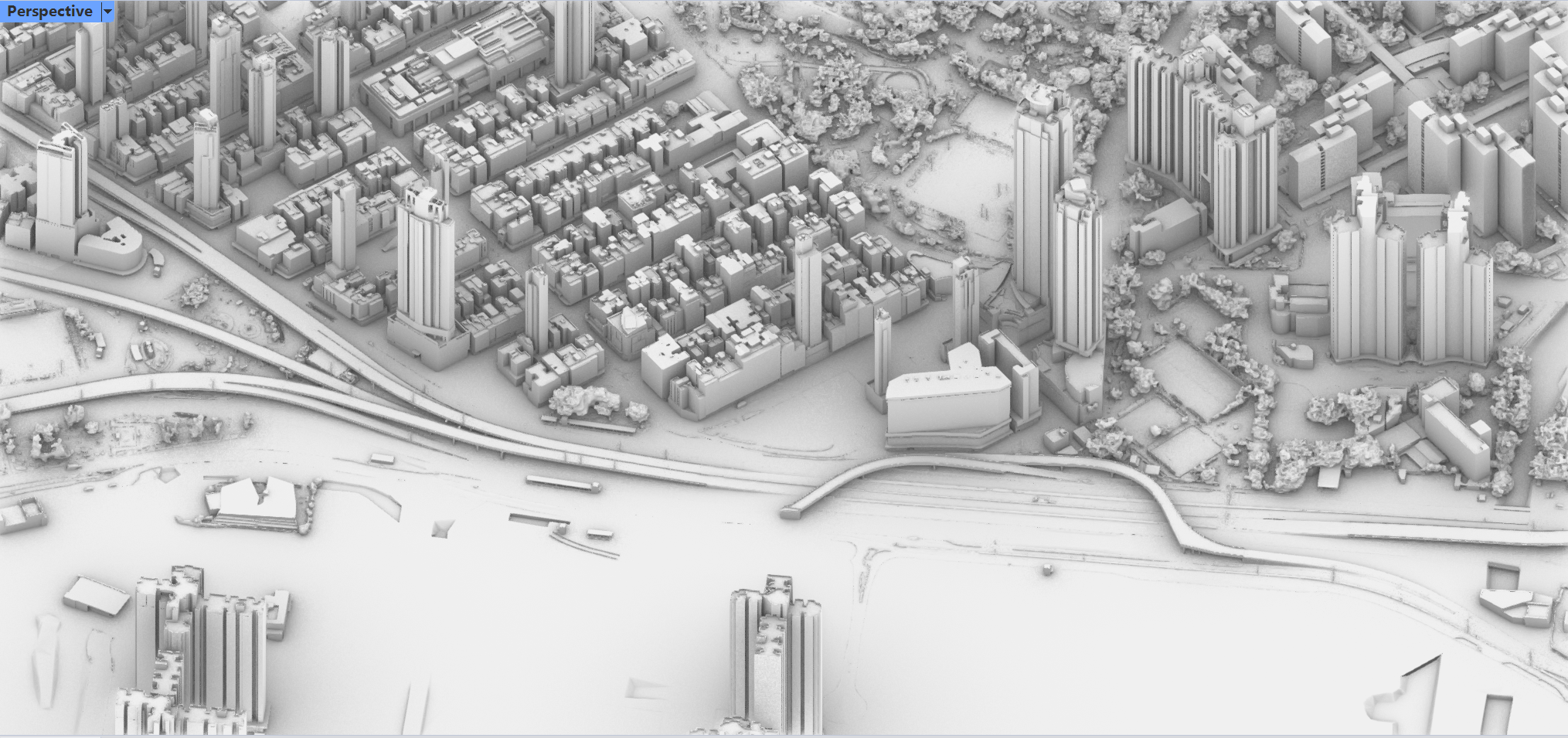
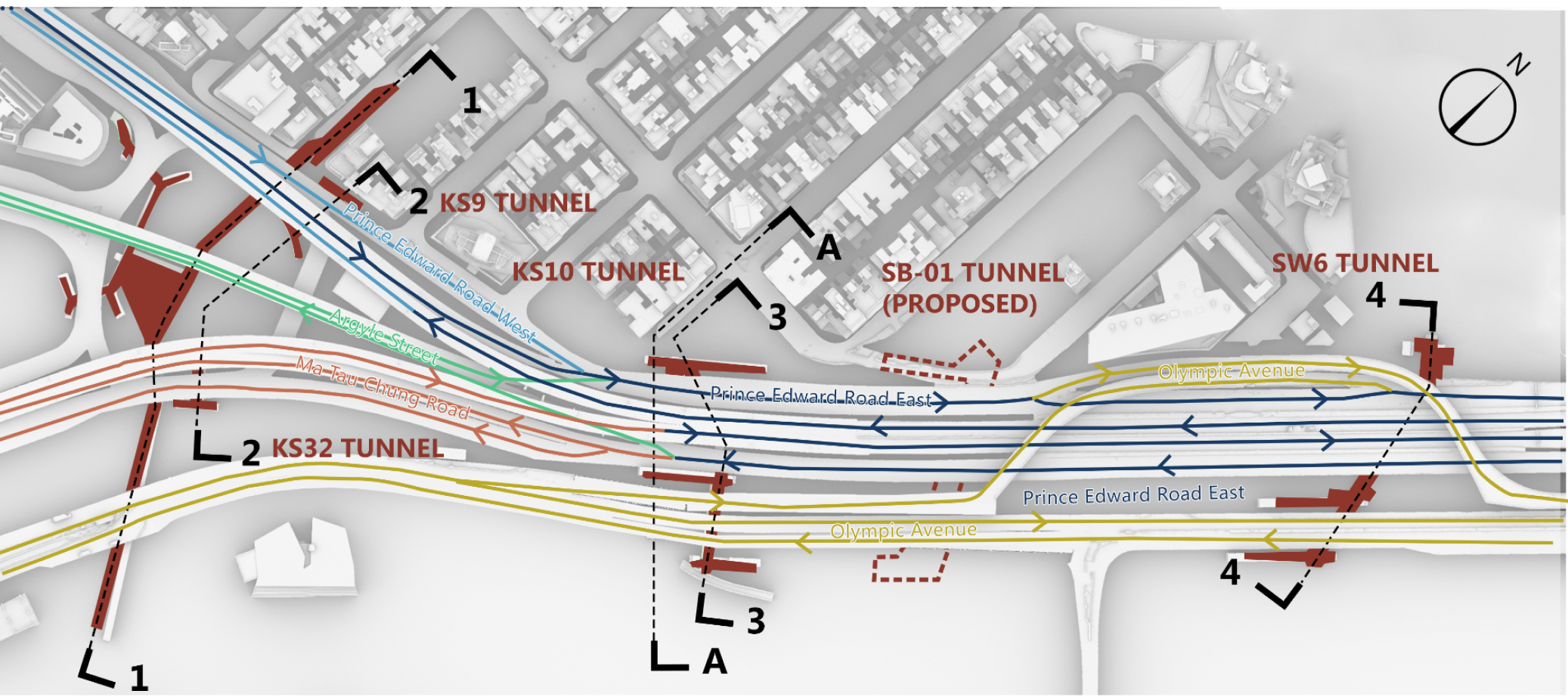
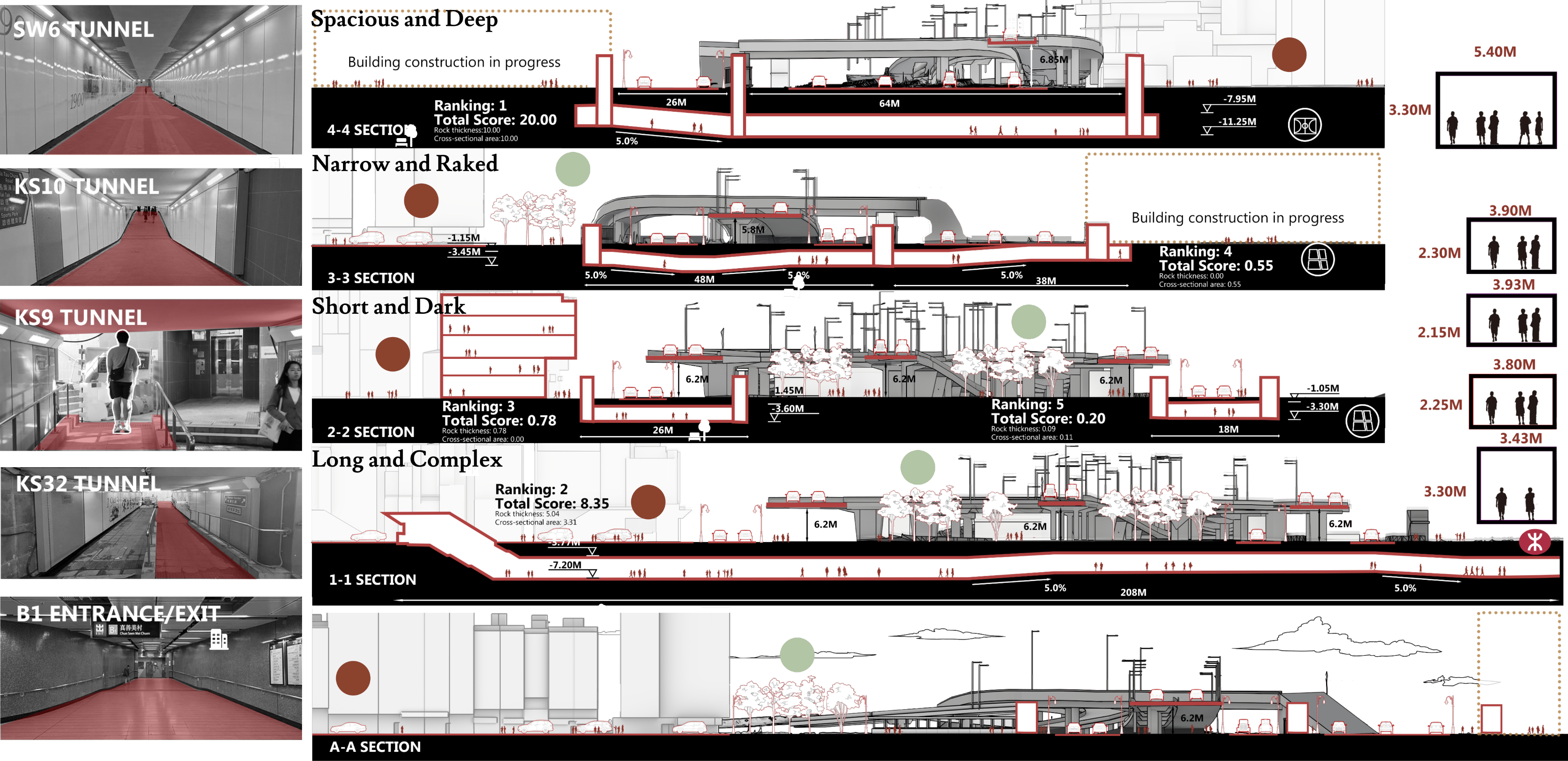
Current State of the Site, Road, and Tunnel
A detailed examination of the tunnel's structural integrity, current capacity, and role in the existing transportation network.
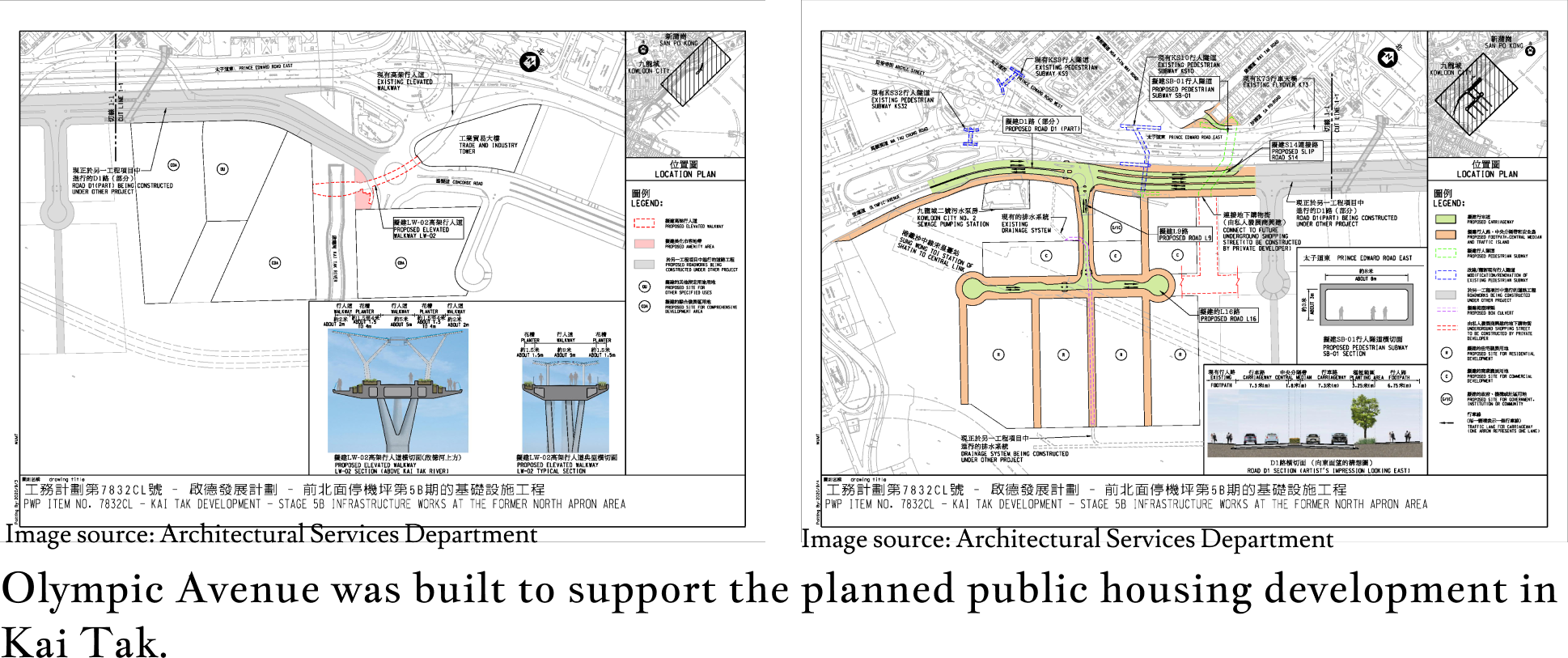
Evolution of the Road — Olympic Avenue
Tracing the historical development and functional changes of Olympic Avenue, contextualizing its current state within urban growth.
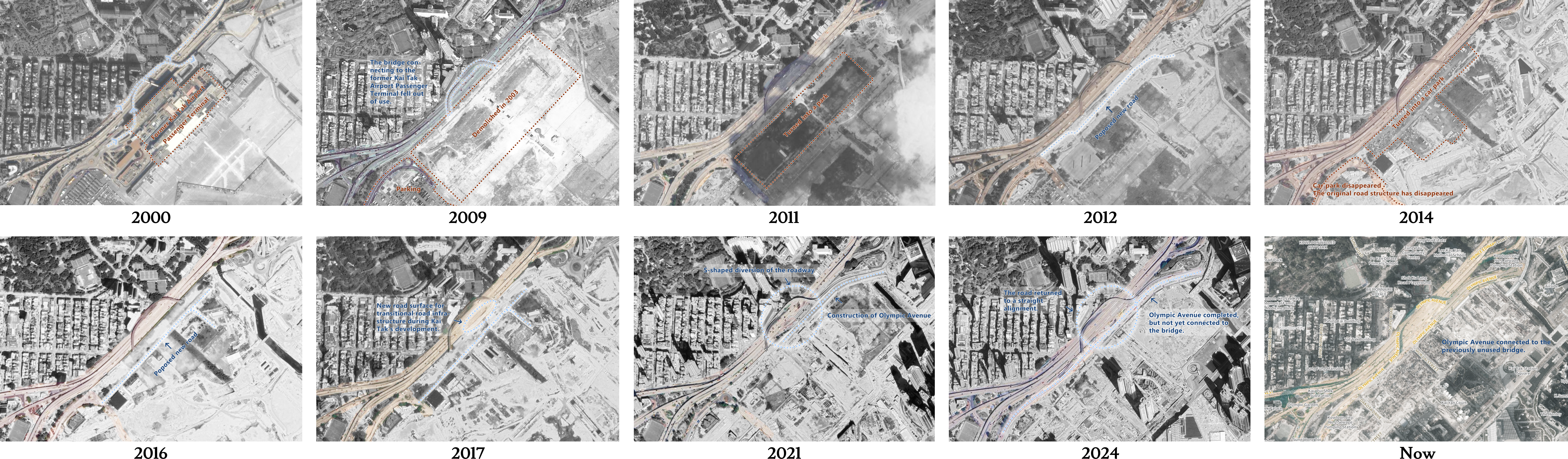
Image source: Architectural Services Department
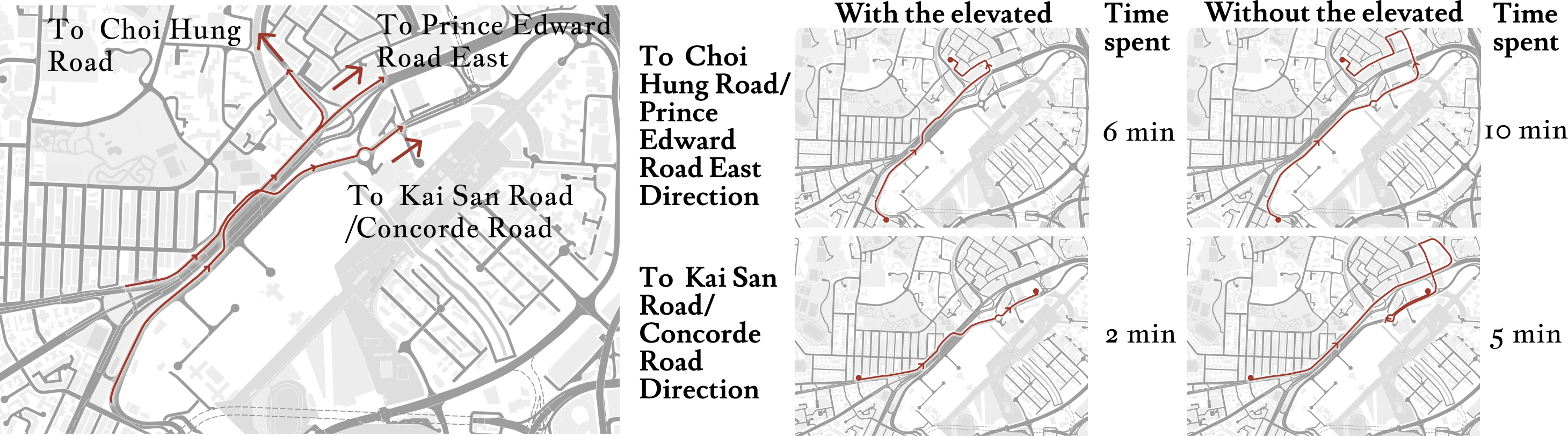
Construction Project: Why Build It?
Discussion: If there were no elevated structures...
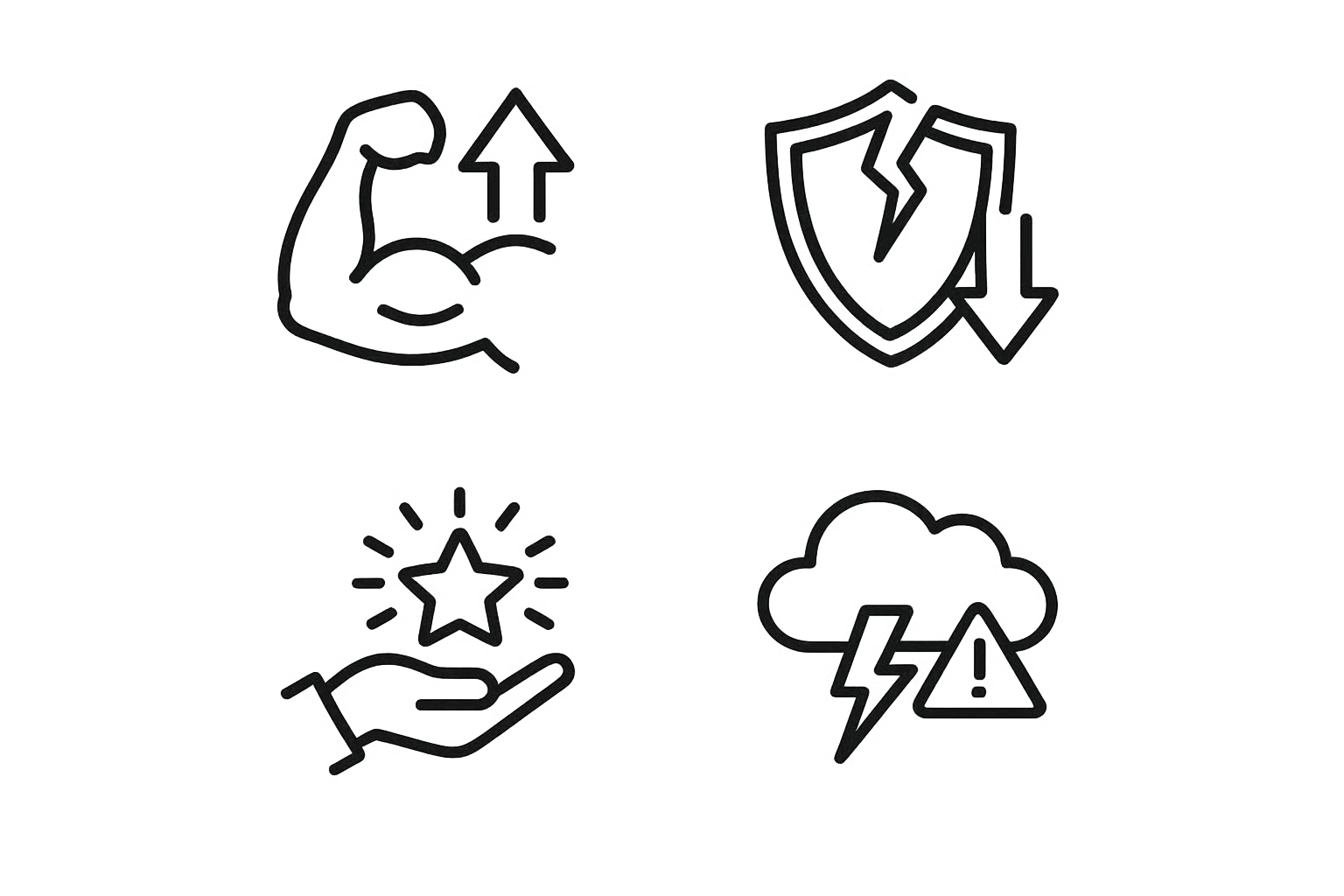
SWOT
Identifying the Strengths, Weaknesses, Opportunities, and Threats inherent to the site and its surrounding context.
 Strengths
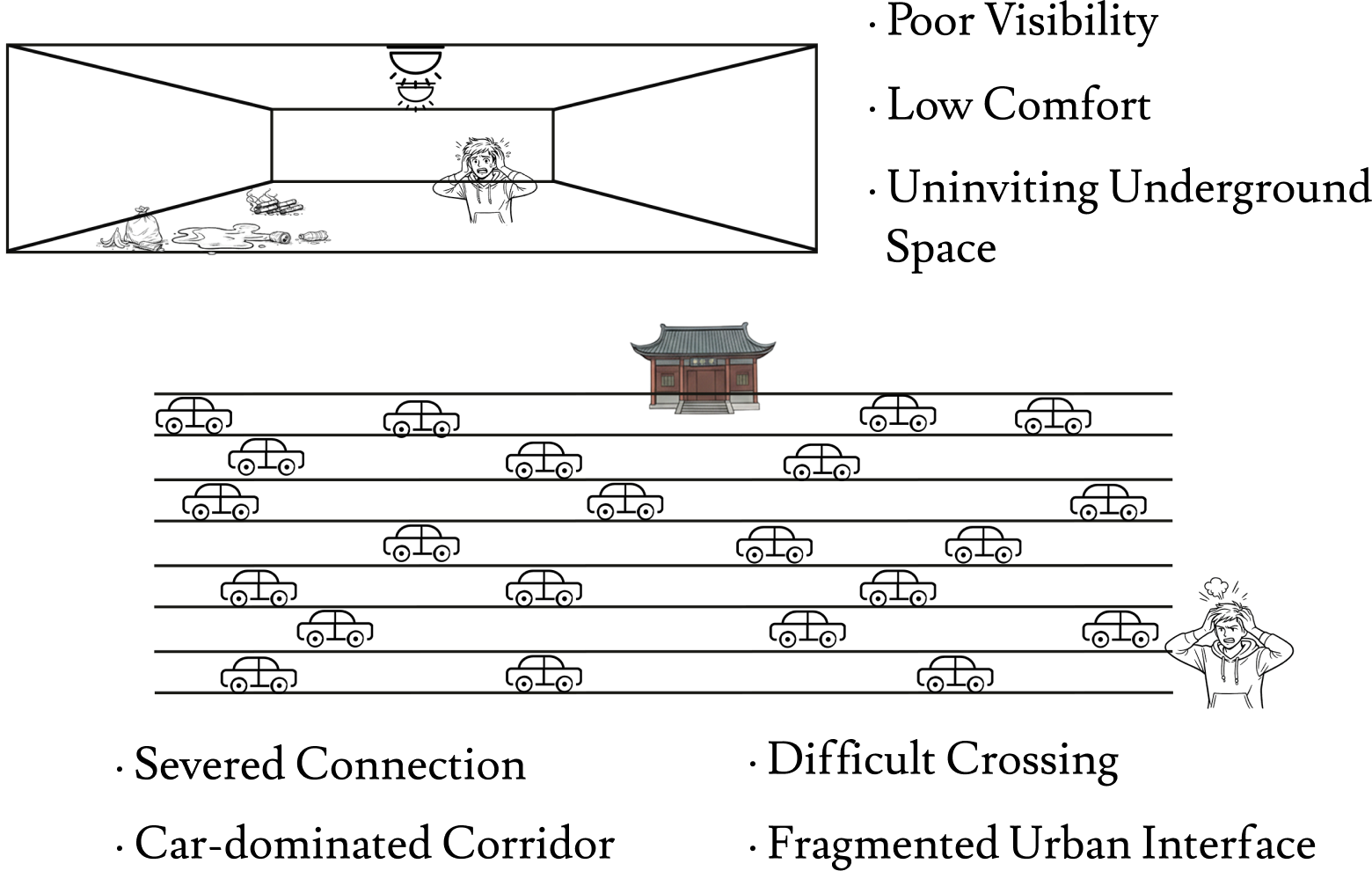
 Weaknesses
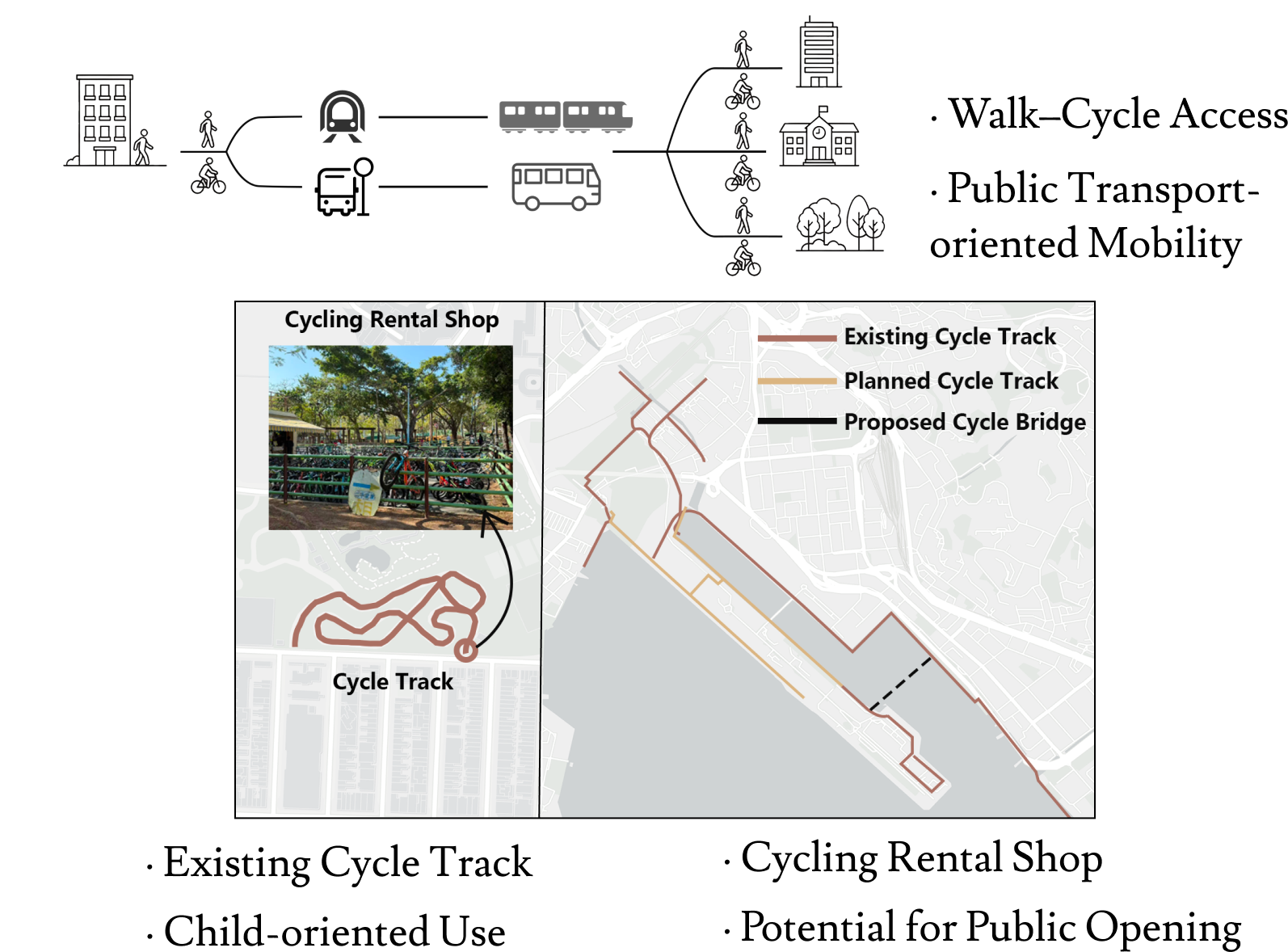
 Opportunities
 Threats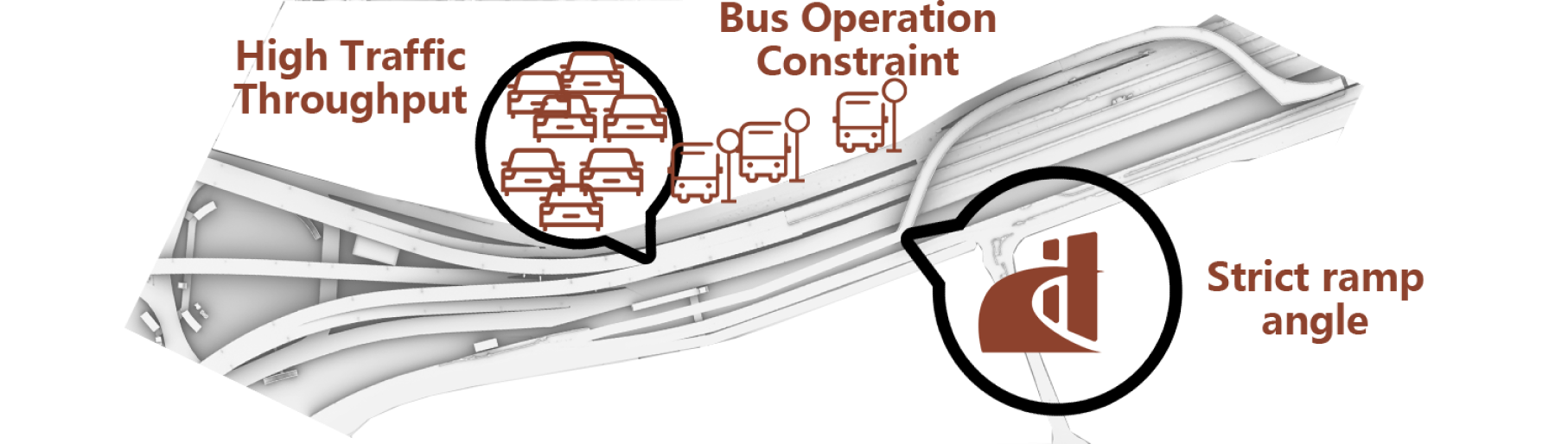
Aim & Vision
Establishing the overarching goals and future aspirations for the intervention, guiding all subsequent design decisions.
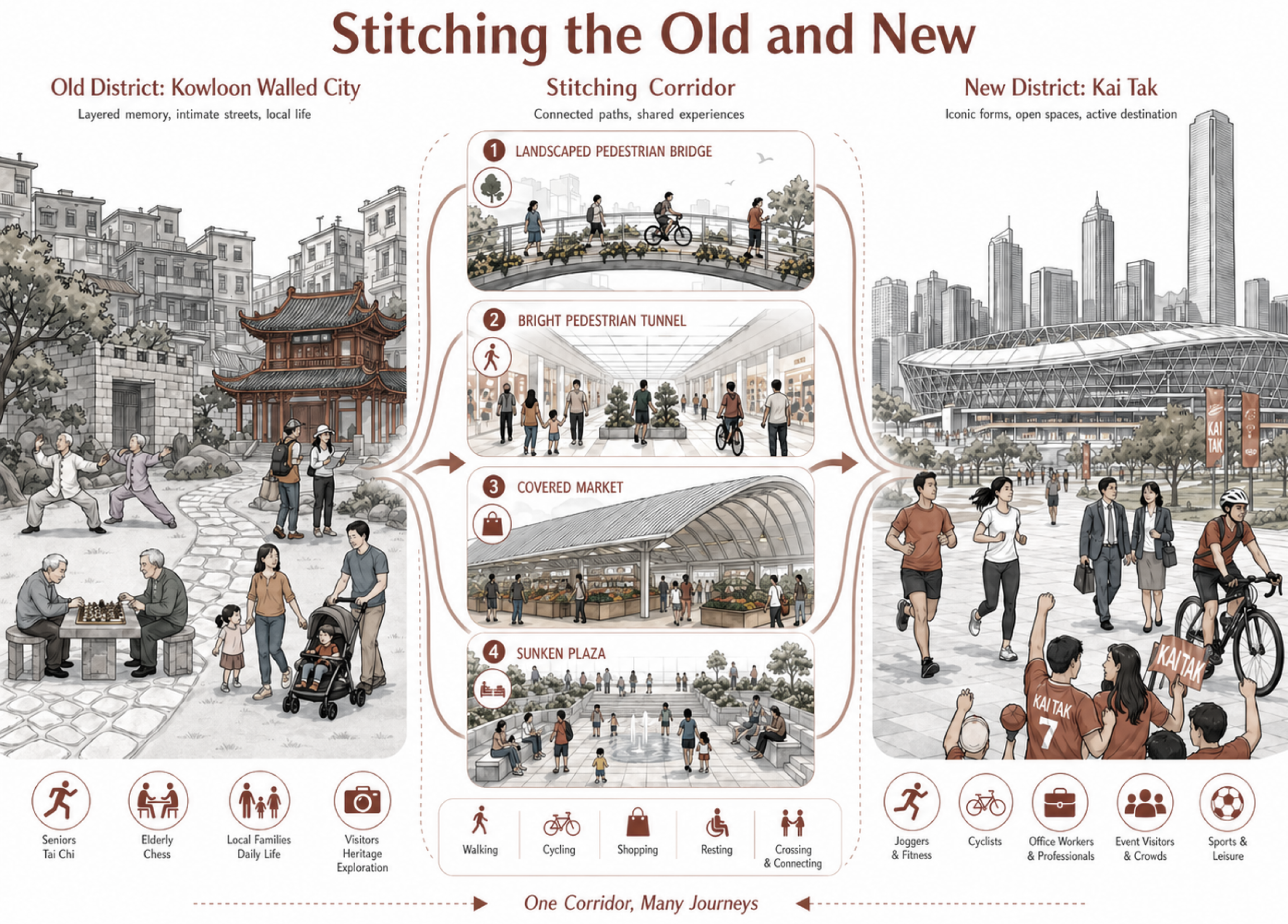
Option Framework
The conceptual logic and guiding principles that structure the proposed urban and architectural interventions.
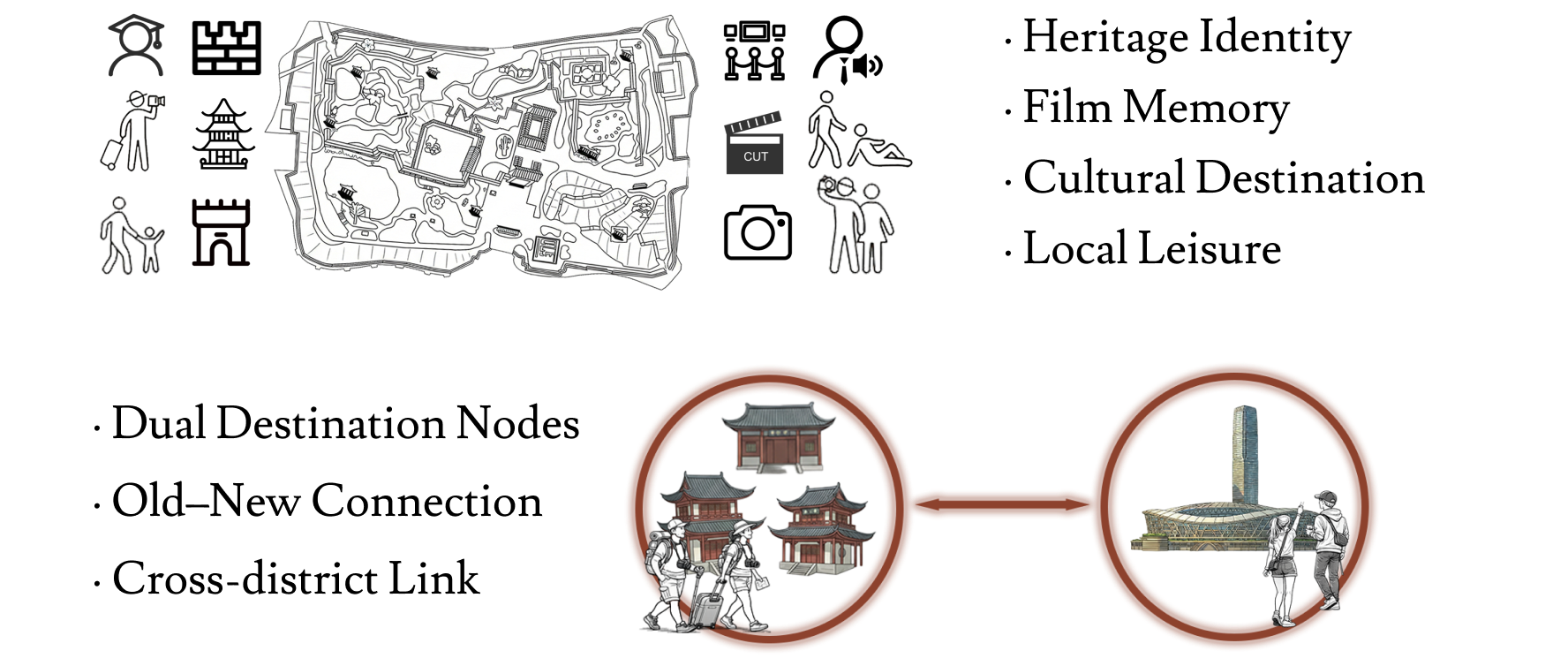
Kowloon City and Kai Tak are developing in parallel, yet remain weakly connected; the existing pedestrian underpasses enable only physical passage and fail to activate public life or coordinate urban interfaces on both sides. This proposal stitches the old and new edges, shaping a legible, stay-worthy urban sequence that fosters interaction and vitality.
Concept
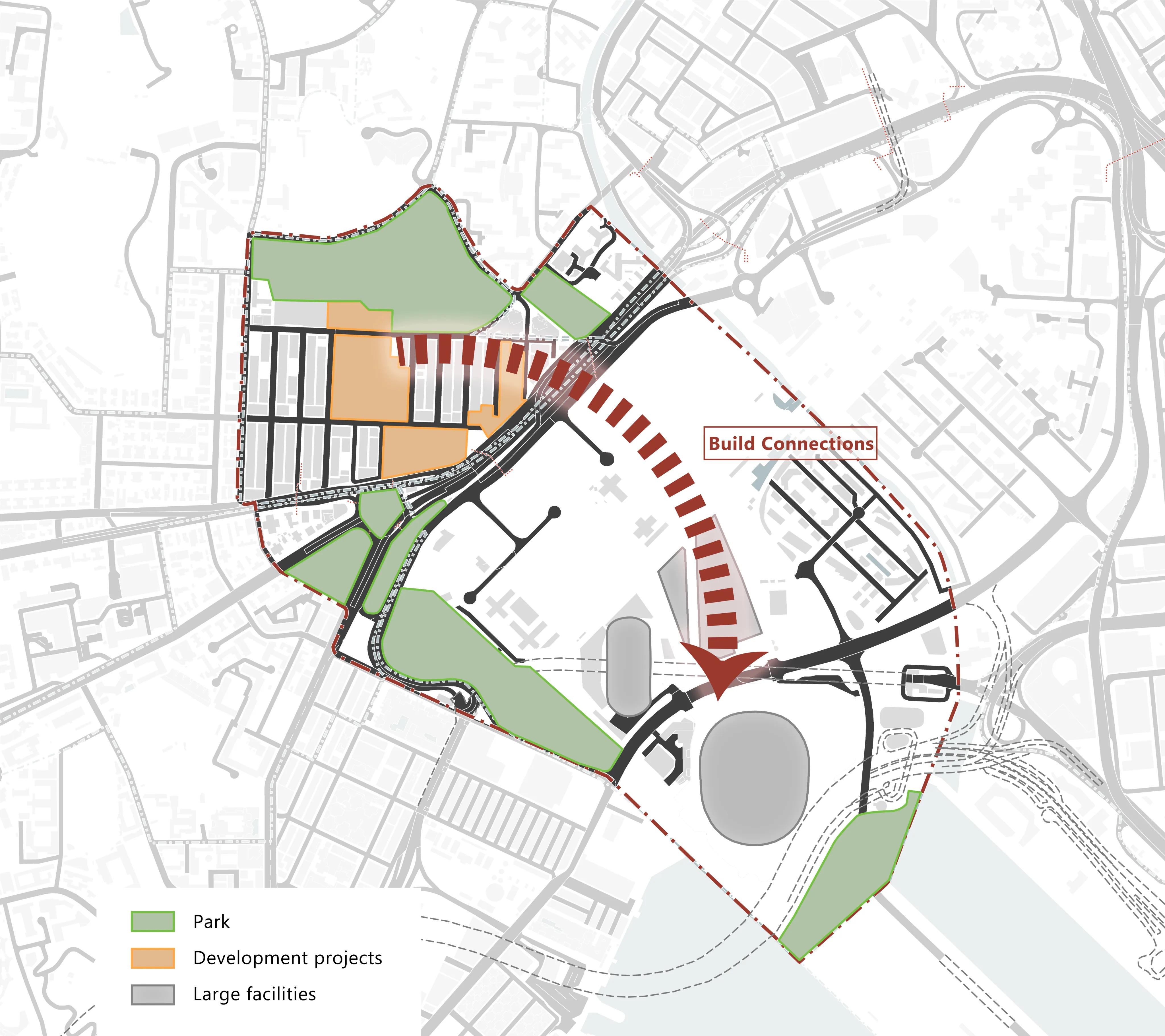
Create connections
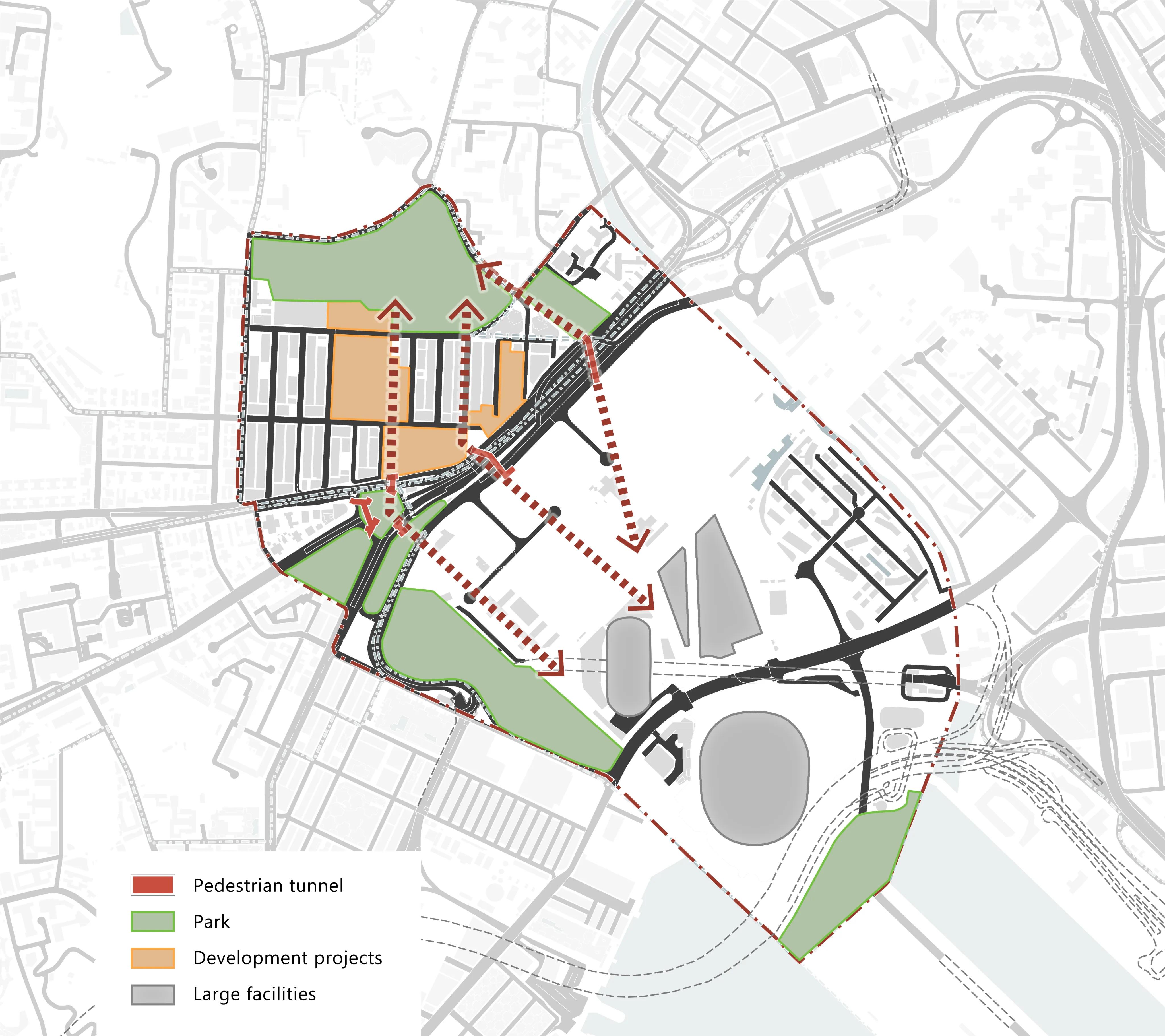
Option 1
The first proposed design alternative, exploring a specific set of spatial and infrastructural interventions.
Connecting Corridors Extending from the Gaps in Tunnels and Bridges
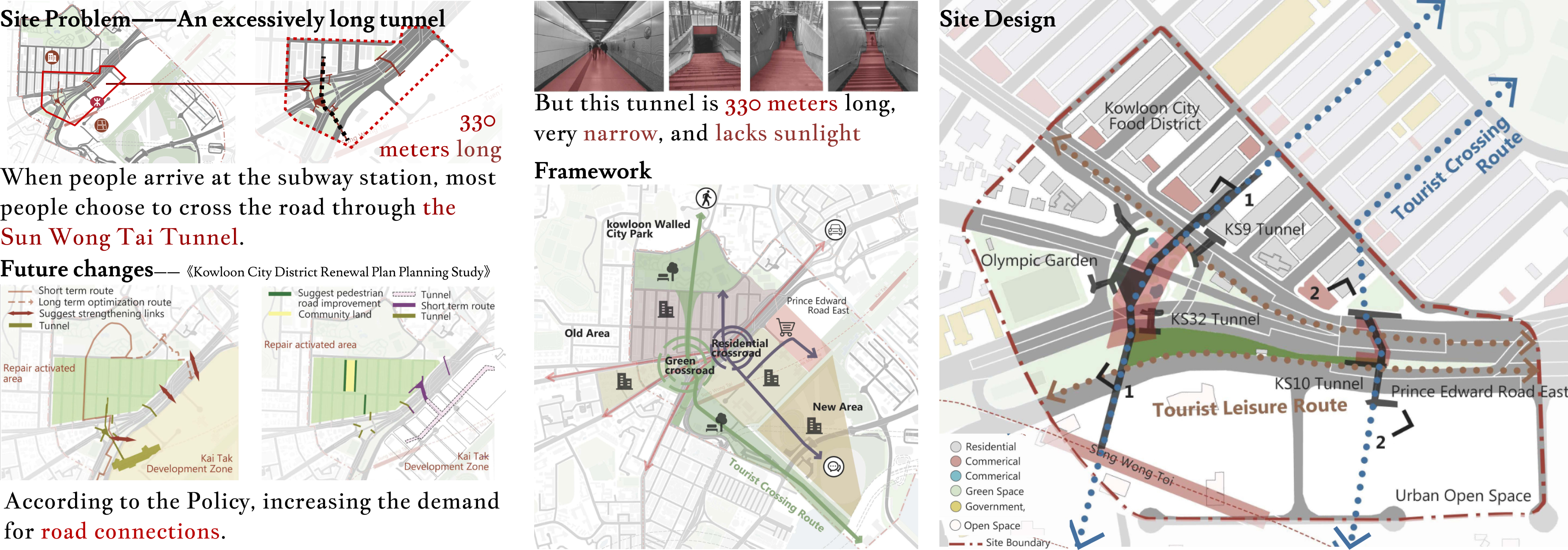
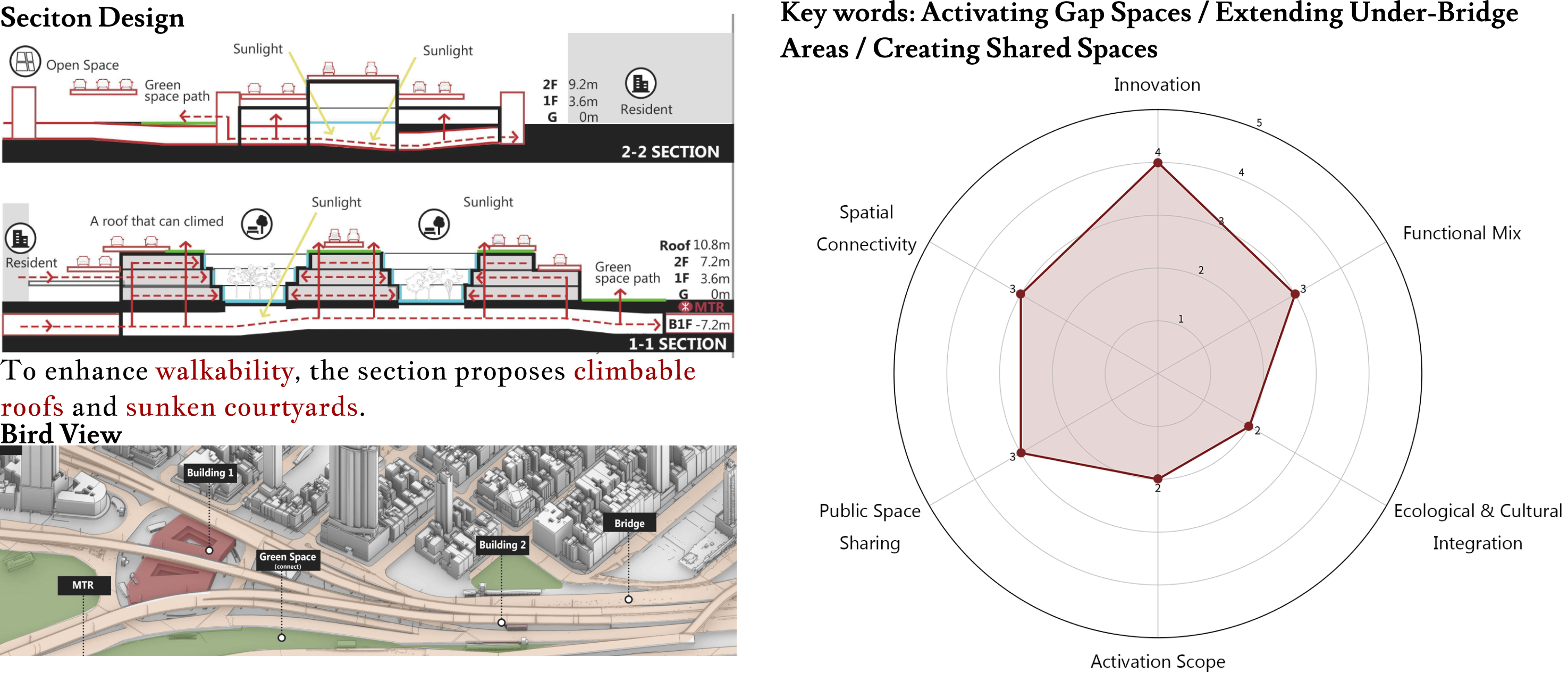
Option2
The second proposed design alternative, offering a distinct approach to spatial organization and connectivity.
A Slow-Mobility Corridor Stitching the Old and New Districts
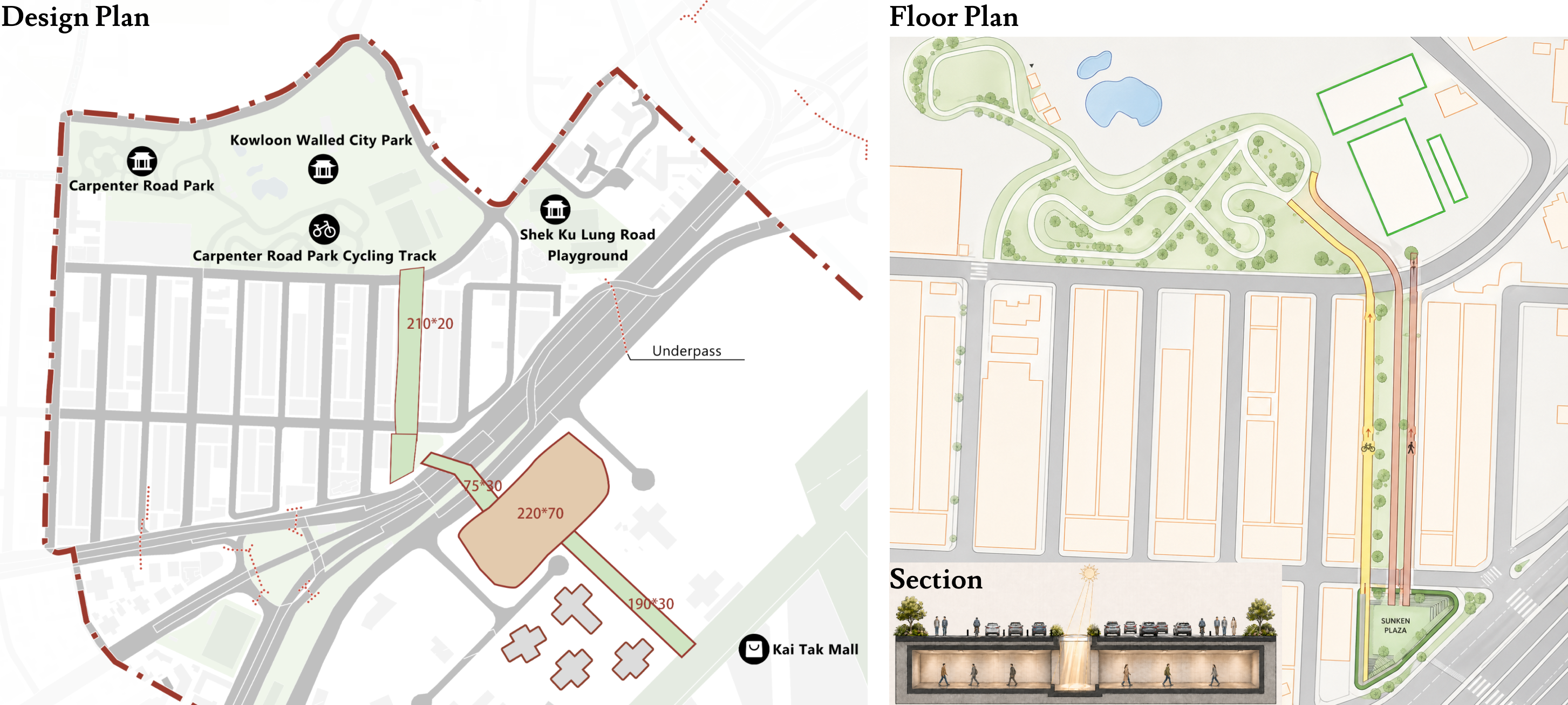
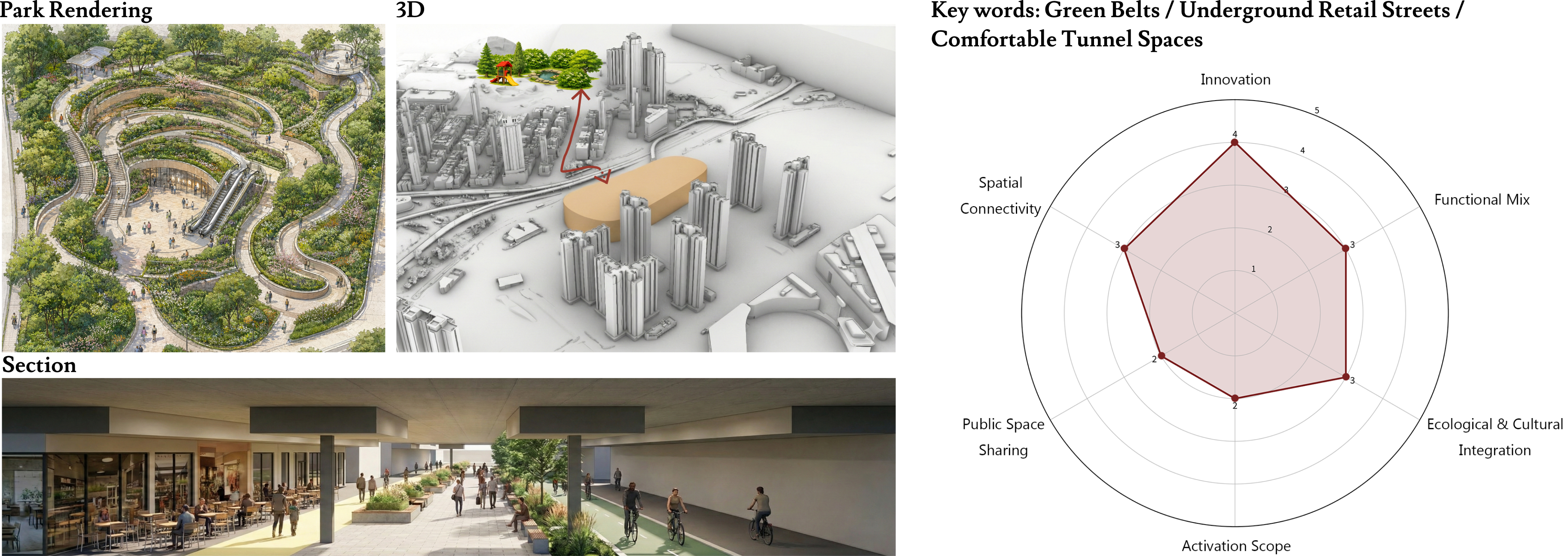
Option3
The third proposed design alternative, presenting a radically different configuration of the site's potential.
Heritage Memory Stitching Corridor
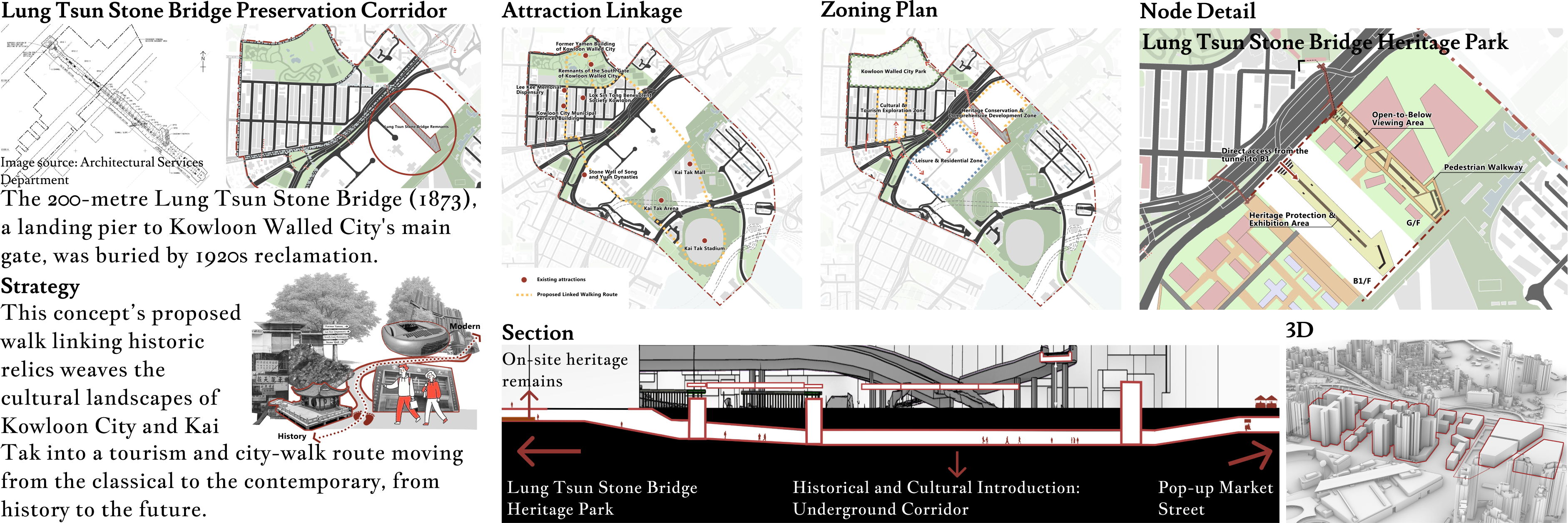
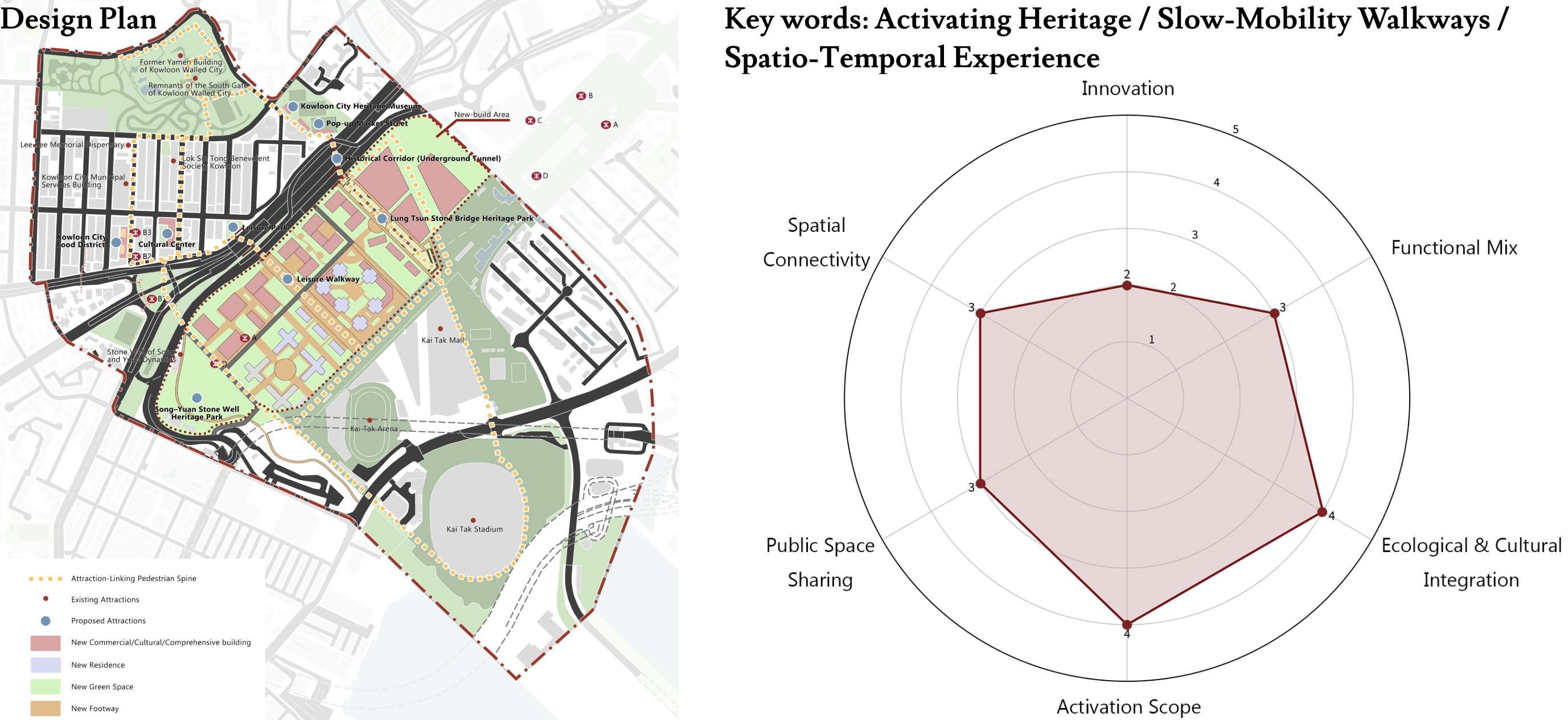
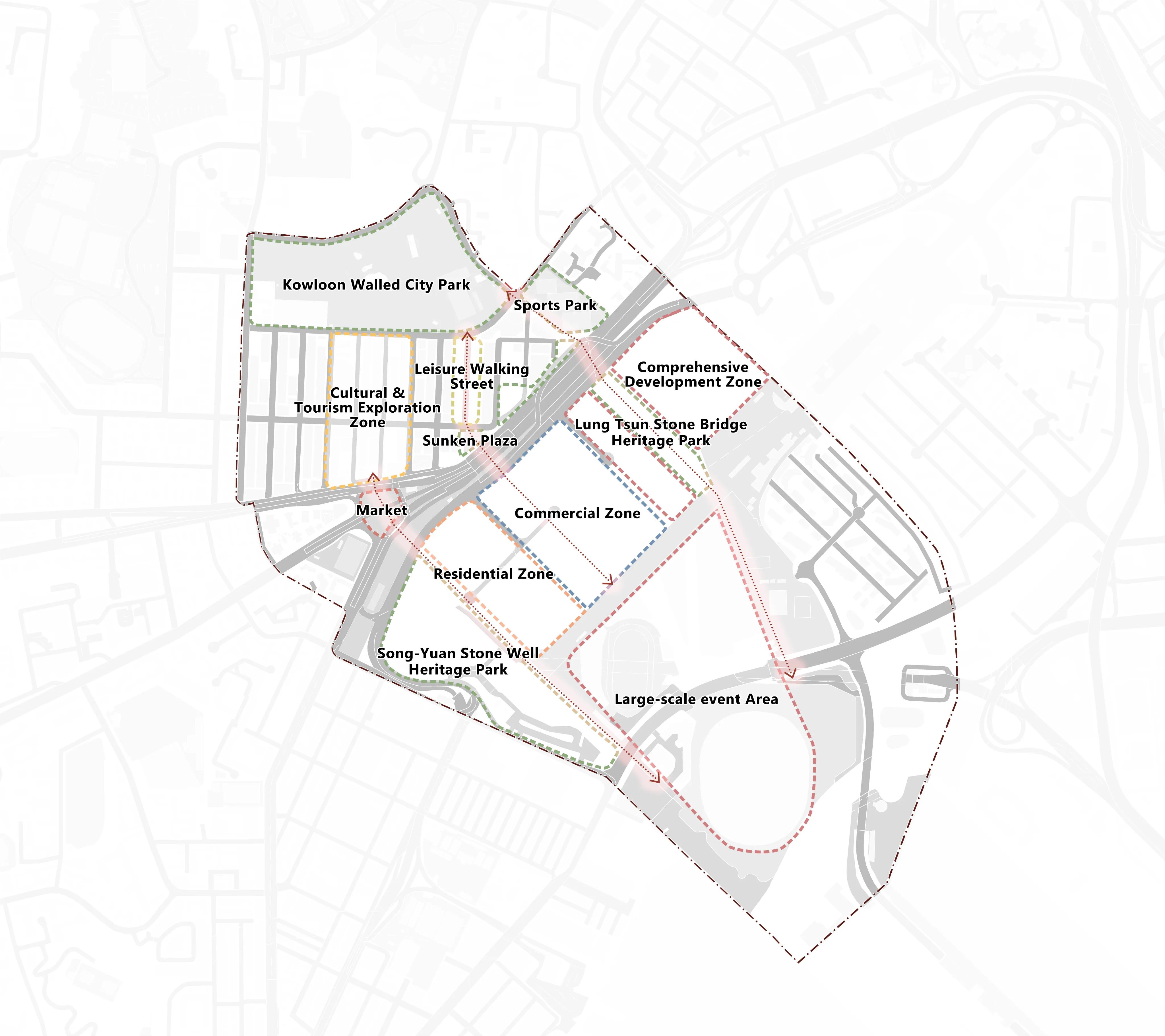
Framework
Refining the selected structural framework, integrating the best elements from the proposed options.
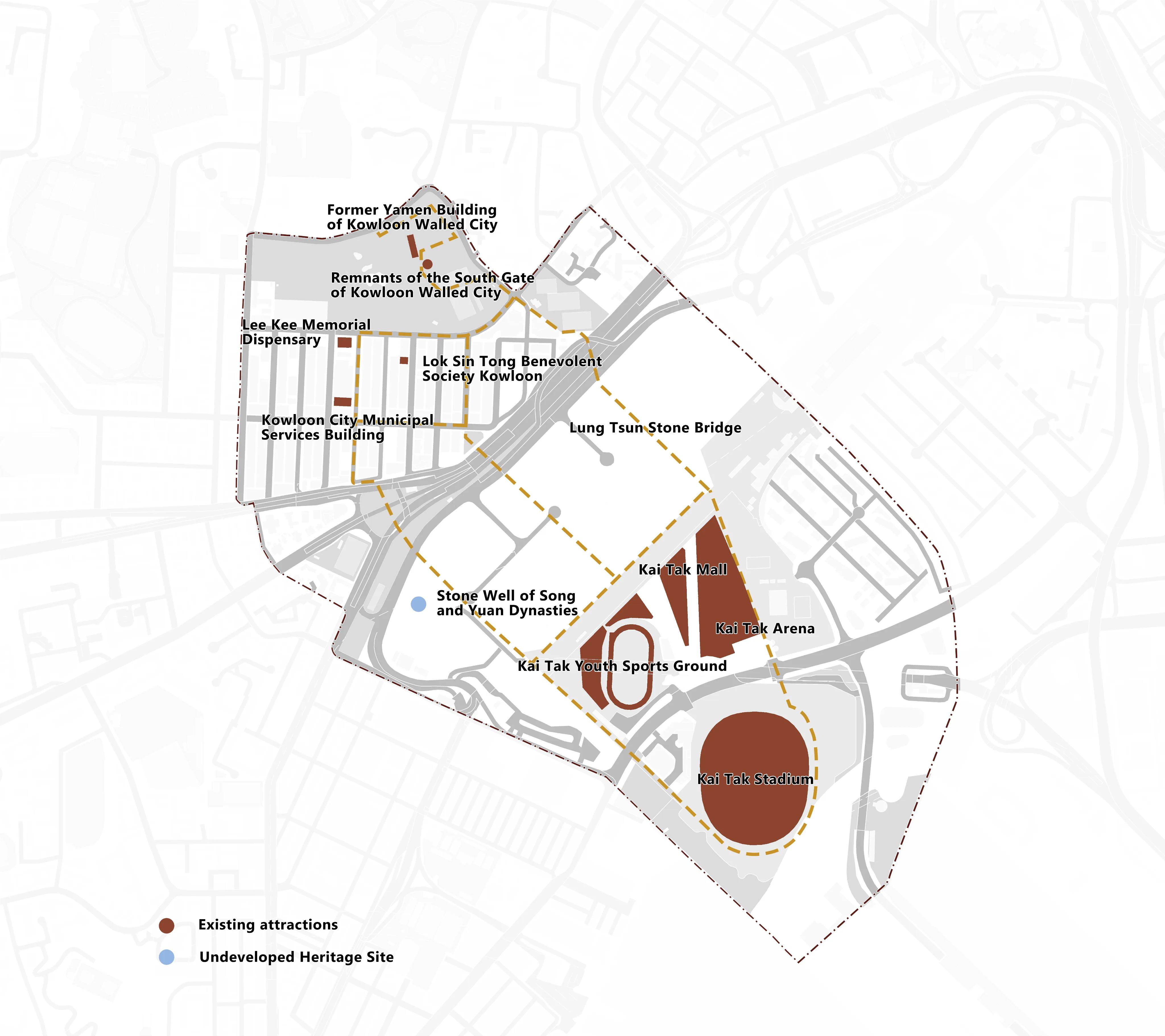
Current attractions / Walking route
Development axis
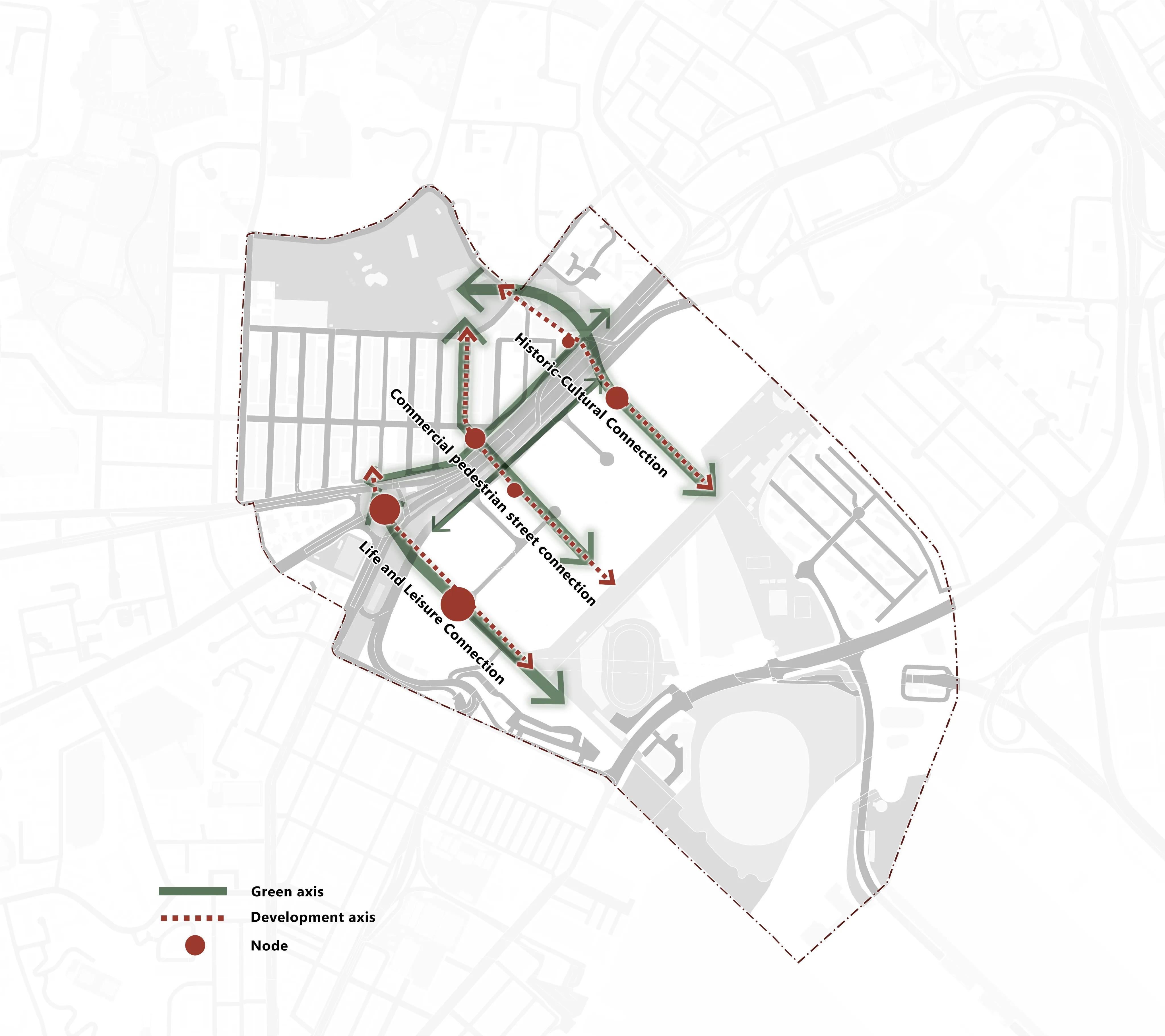
Penetration
Stitching Connections
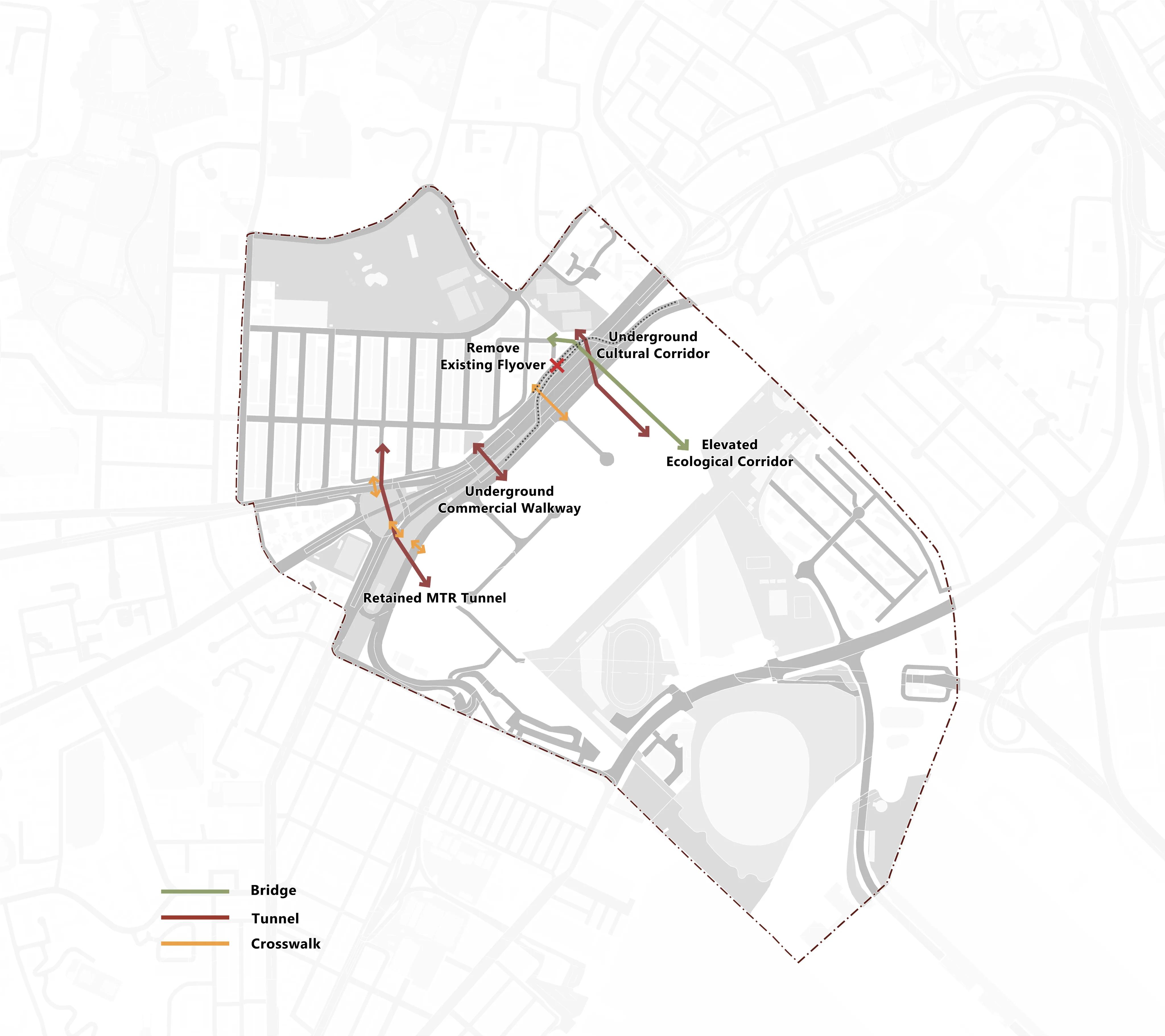
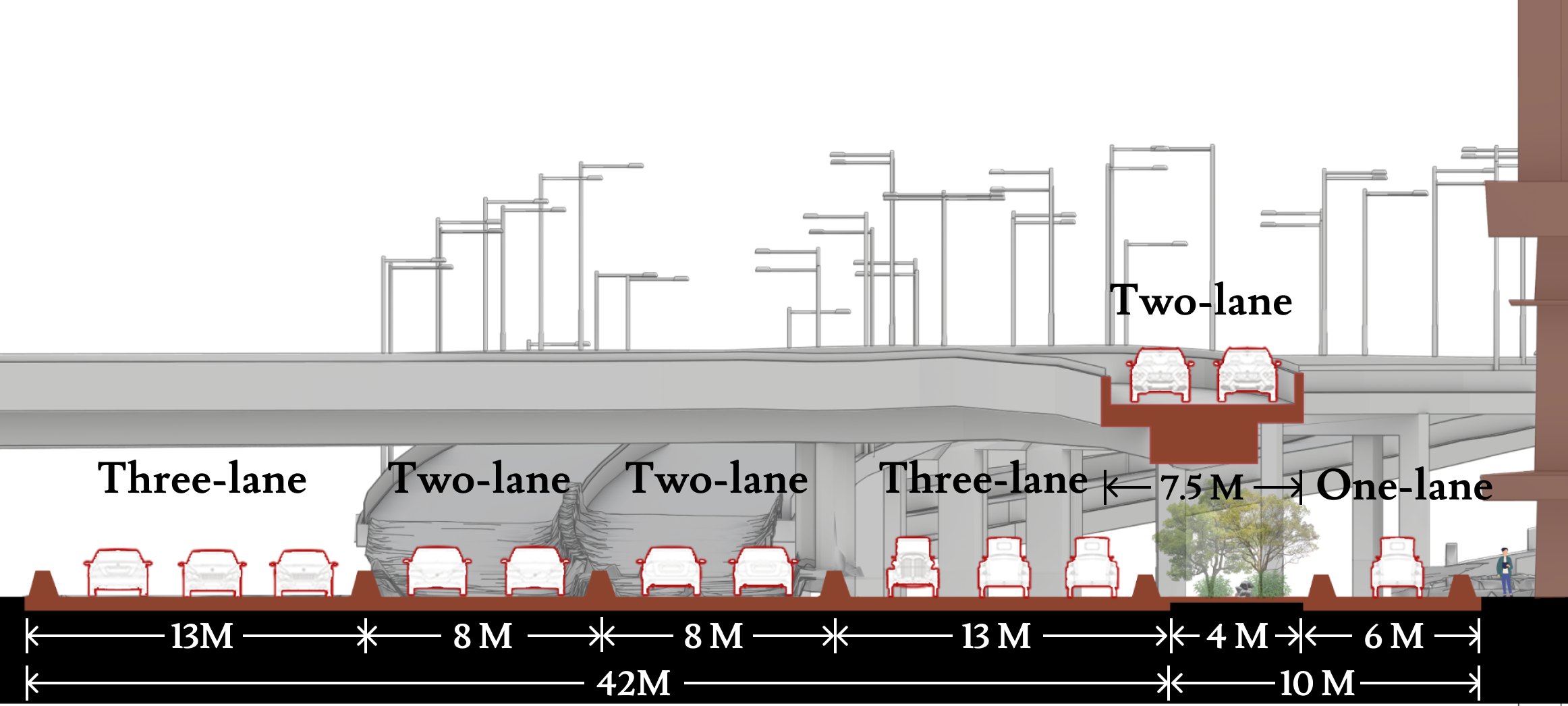
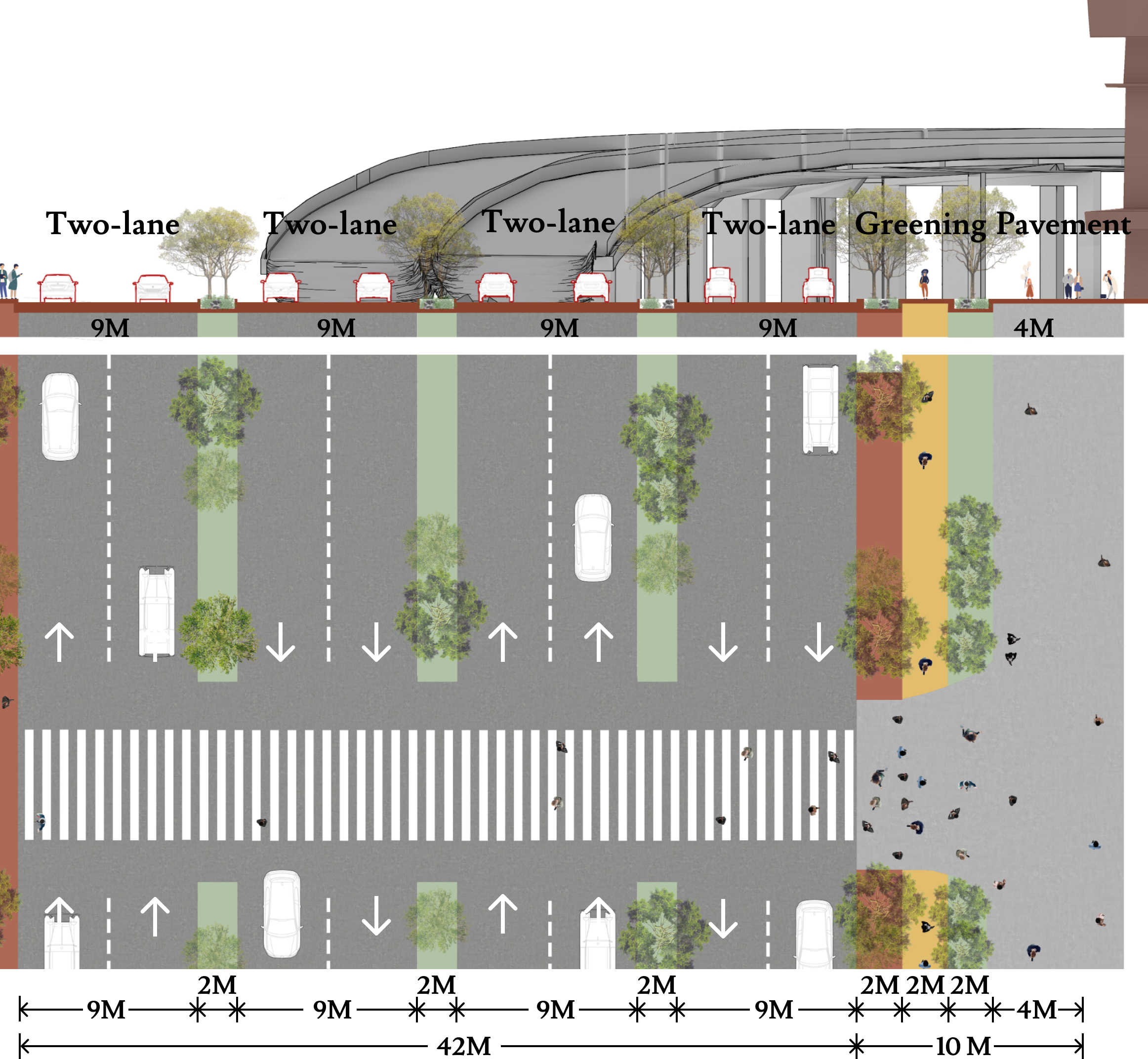
Main Road Mode Change
Proposals for transforming primary circulation corridors through modal hierarchy adjustments and lane reconfigurations.
Before
After
Road System
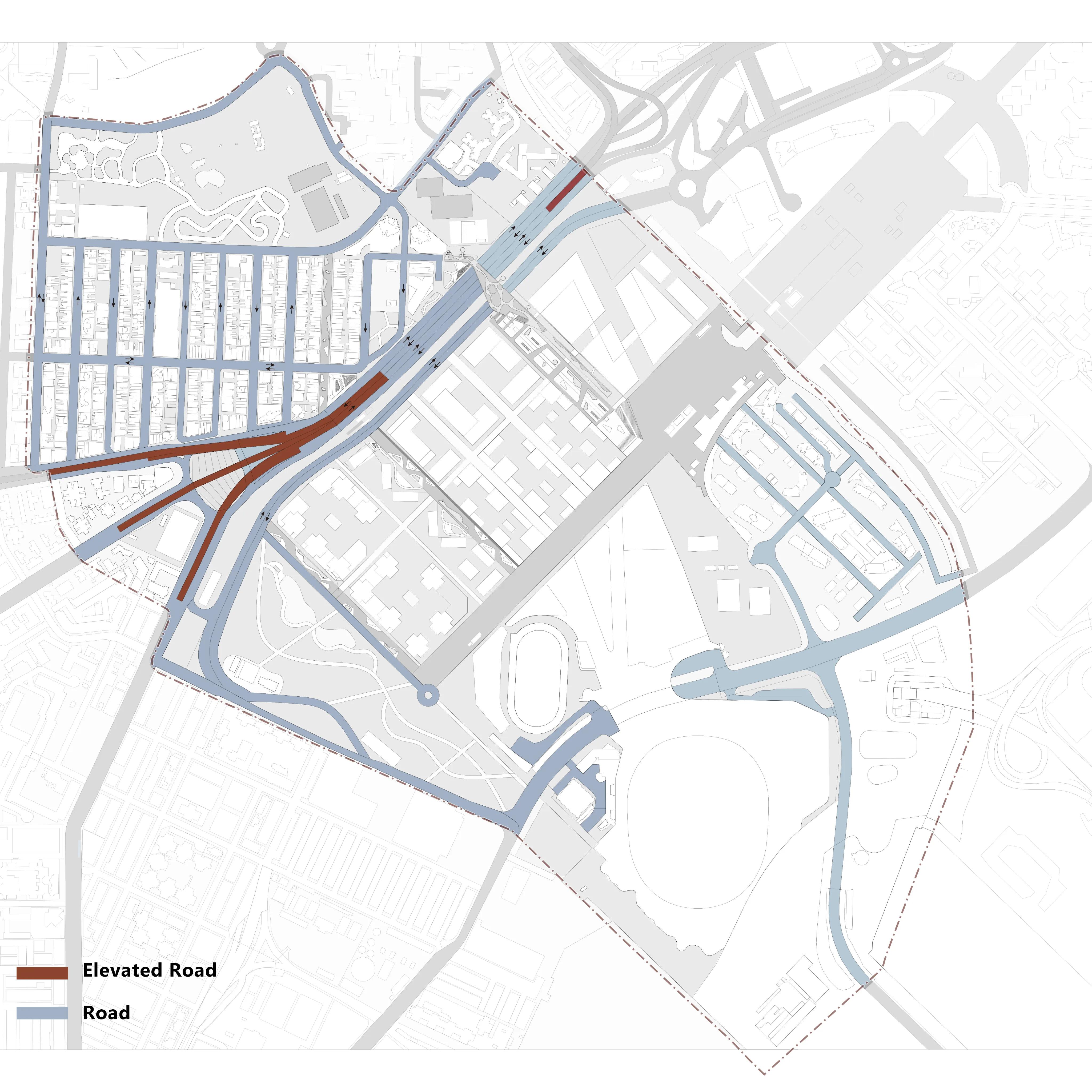
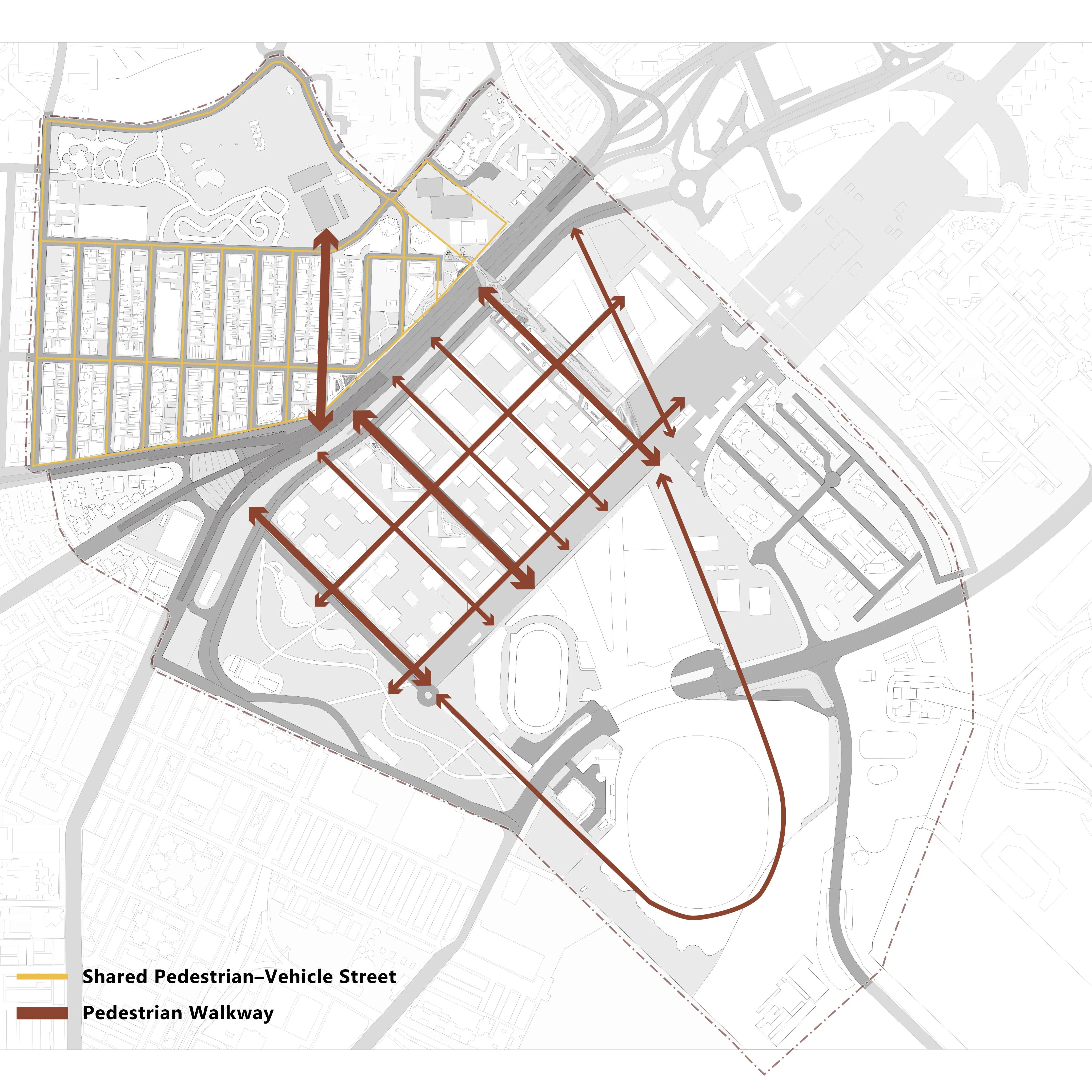
A detailed plan for the vehicular and pedestrian circulation networks, emphasizing safety and efficiency.
Vehicle traffic road system
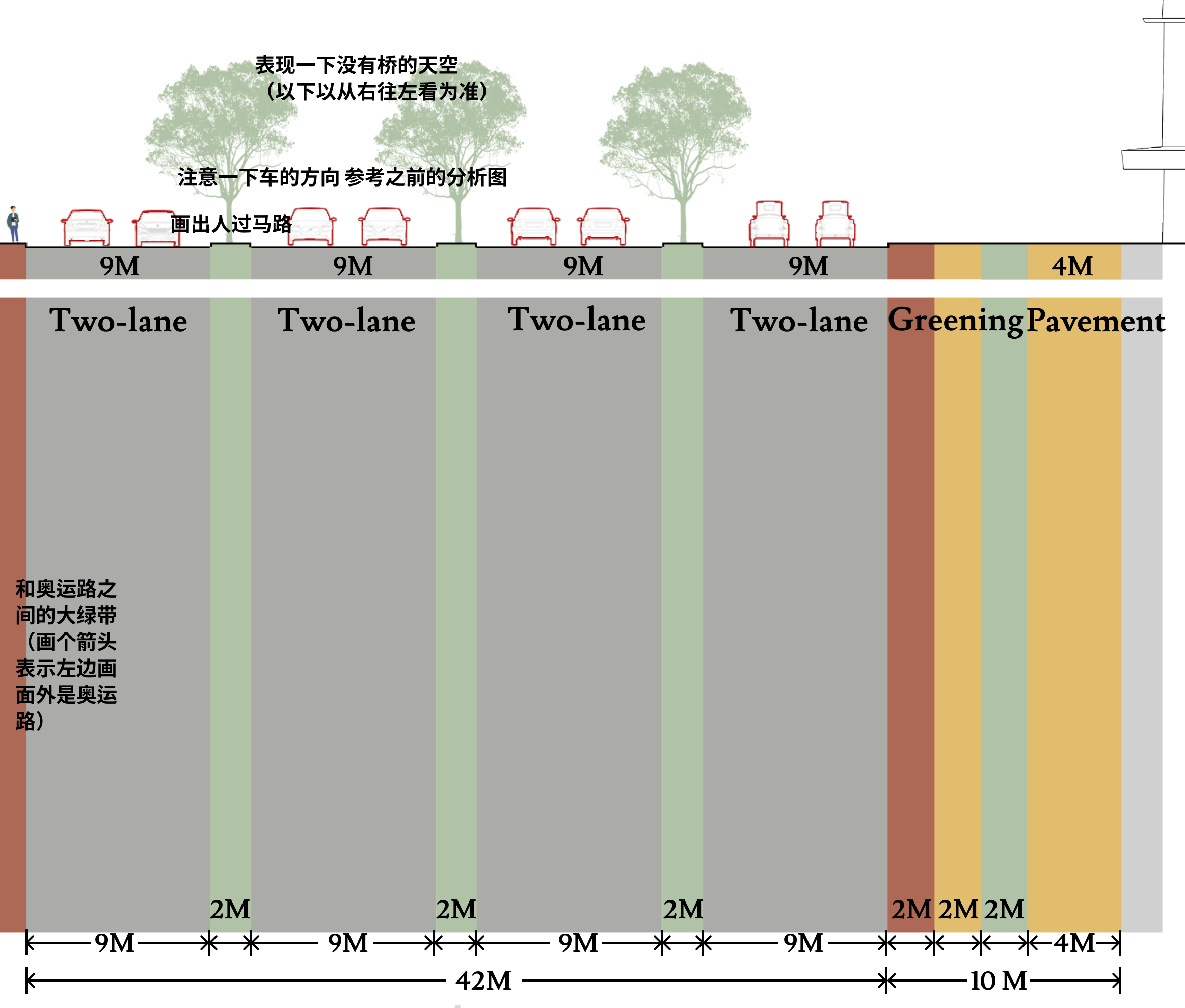
Pedestrian road system
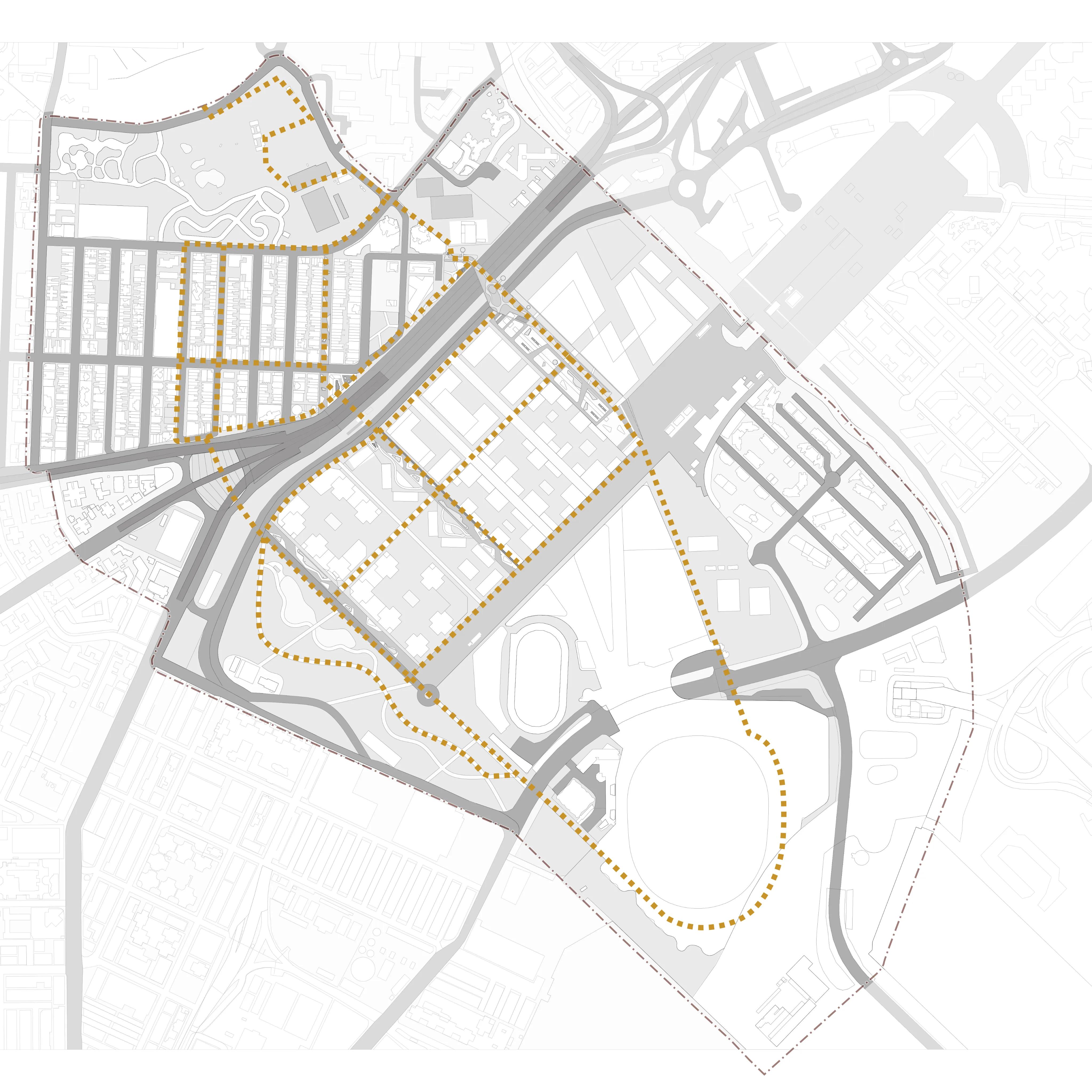
Tourist Slow Walkway
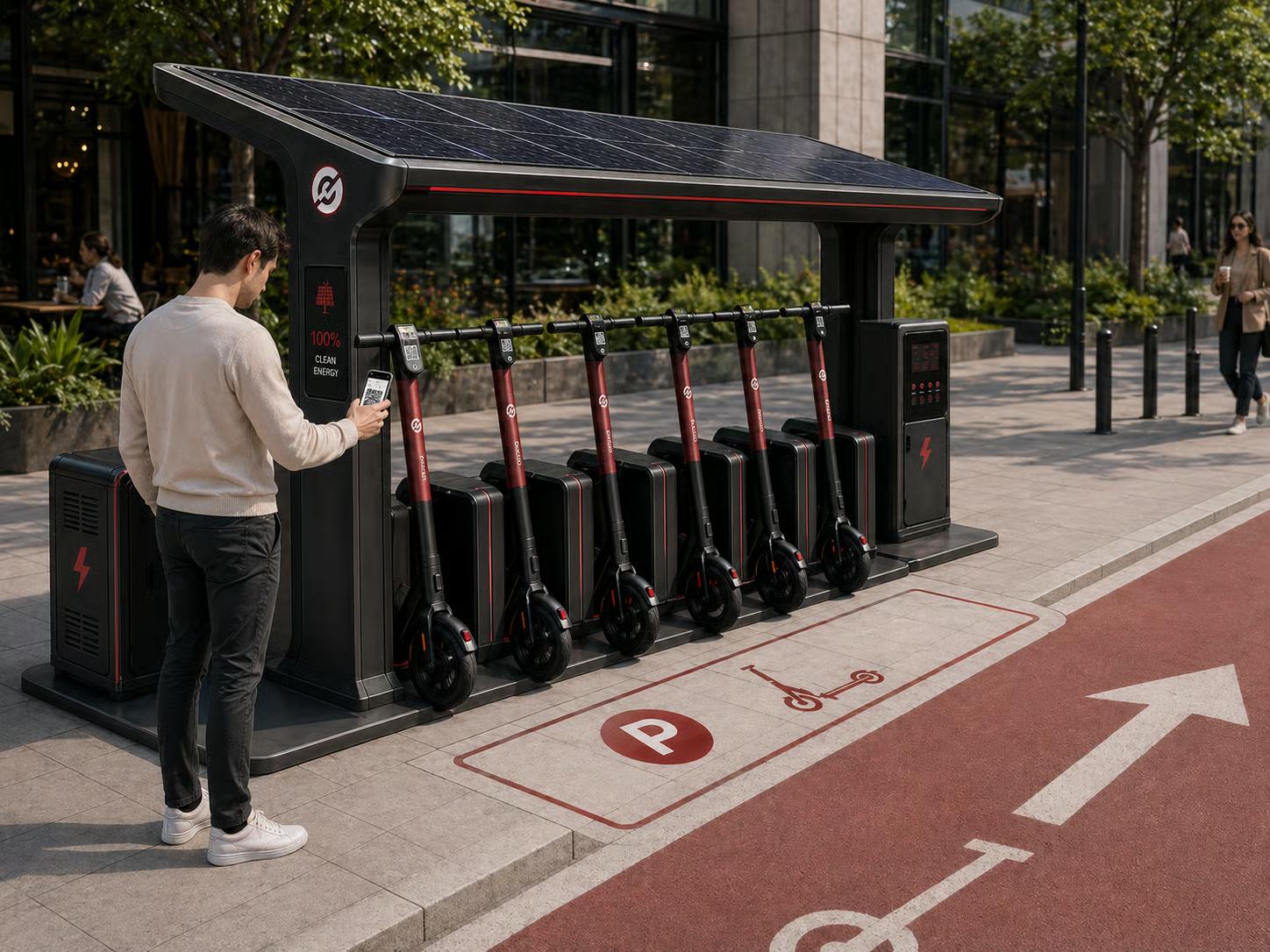
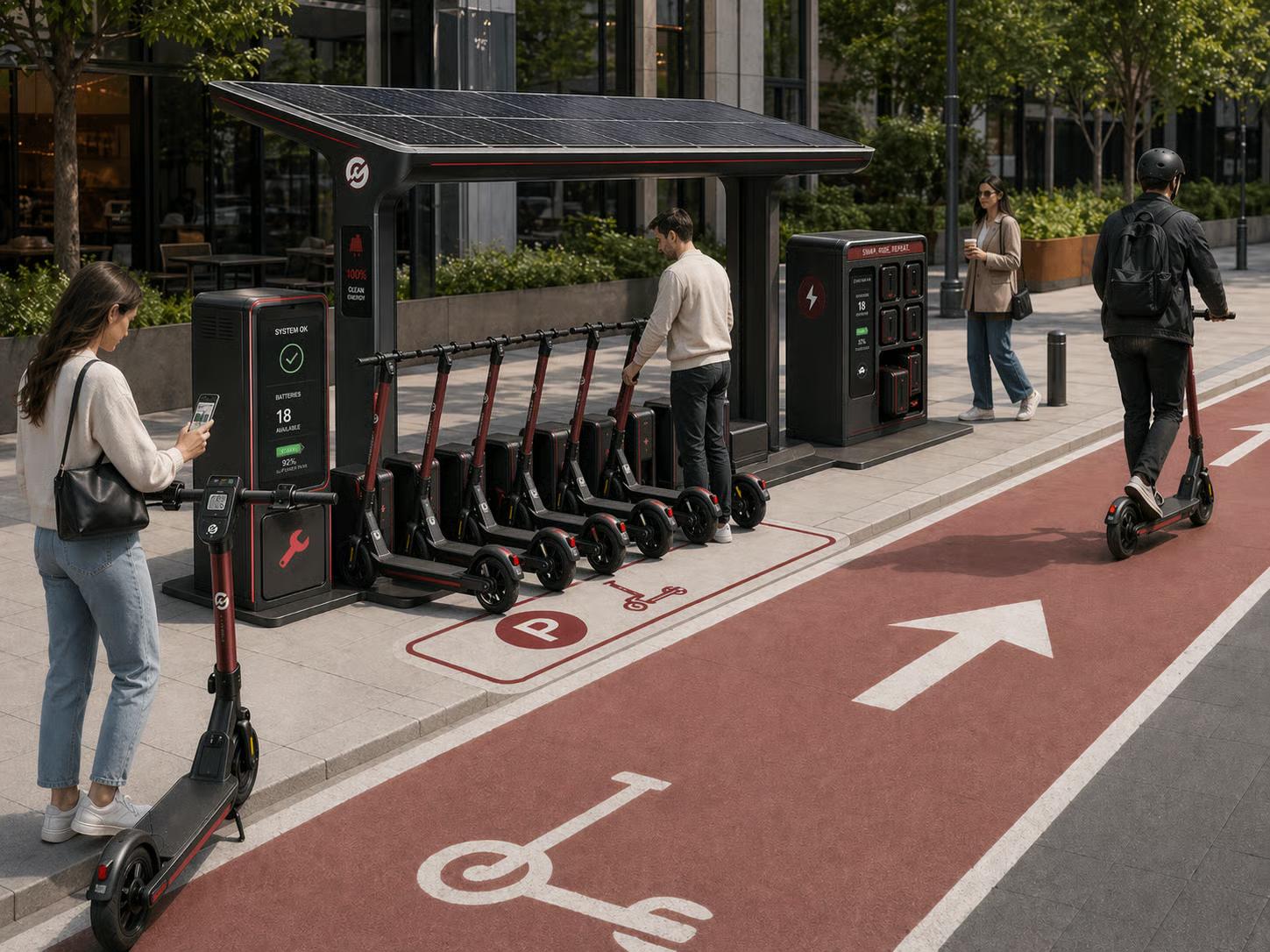
Introduce New Modes of Transportation
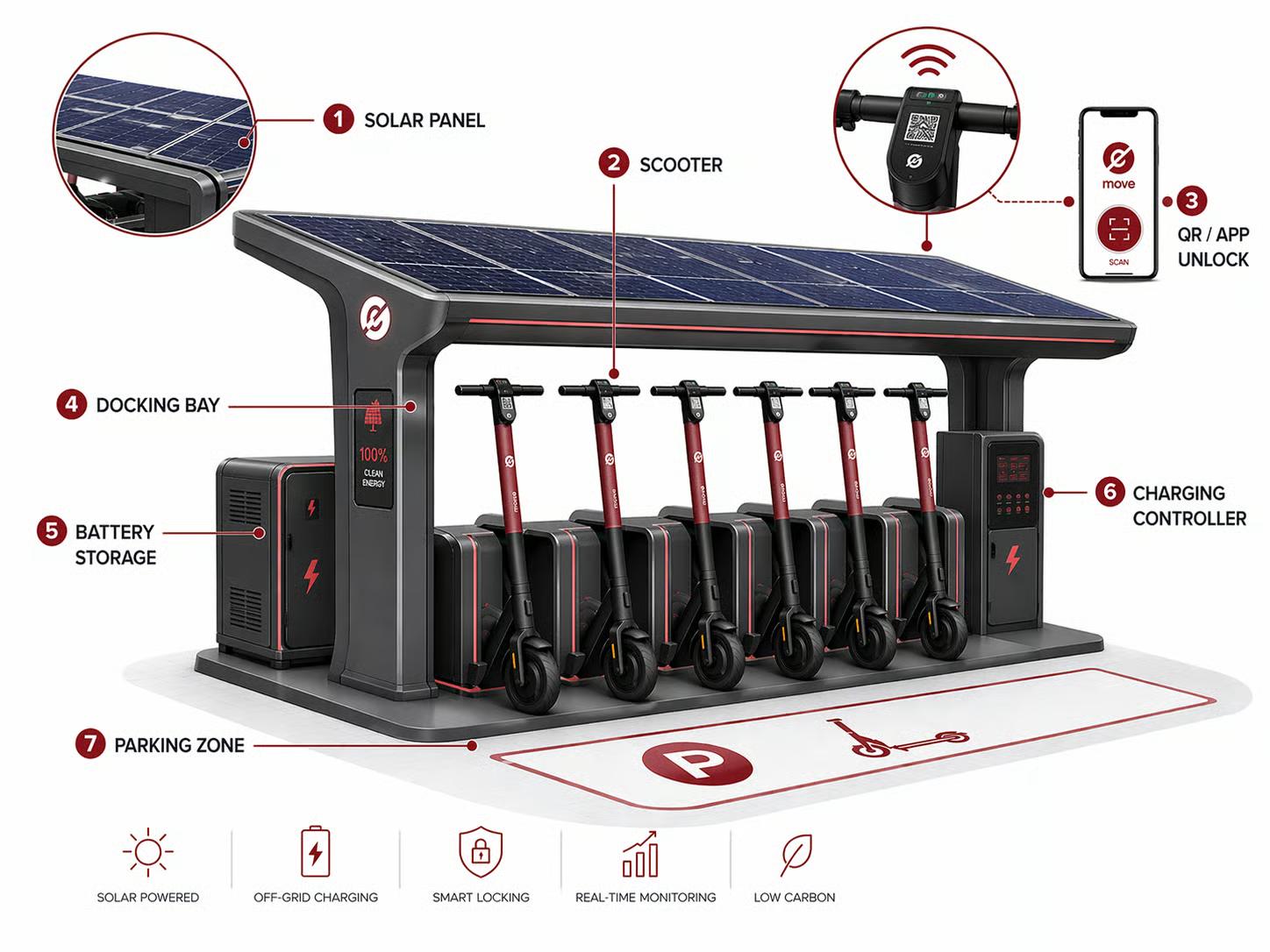
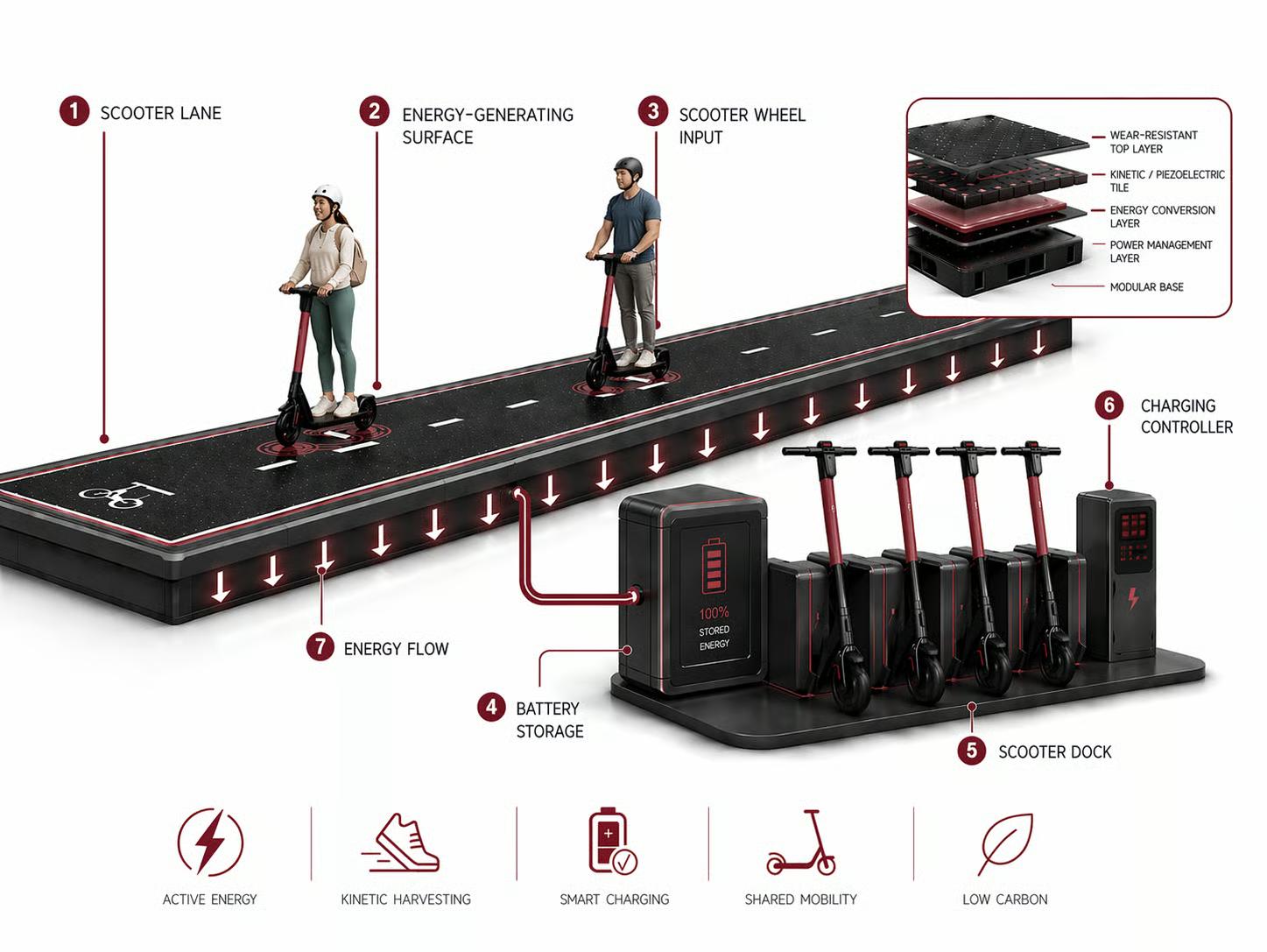
Introduction of alternative mobility systems and infrastructure to diversify transportation options and reduce automobile dependency.
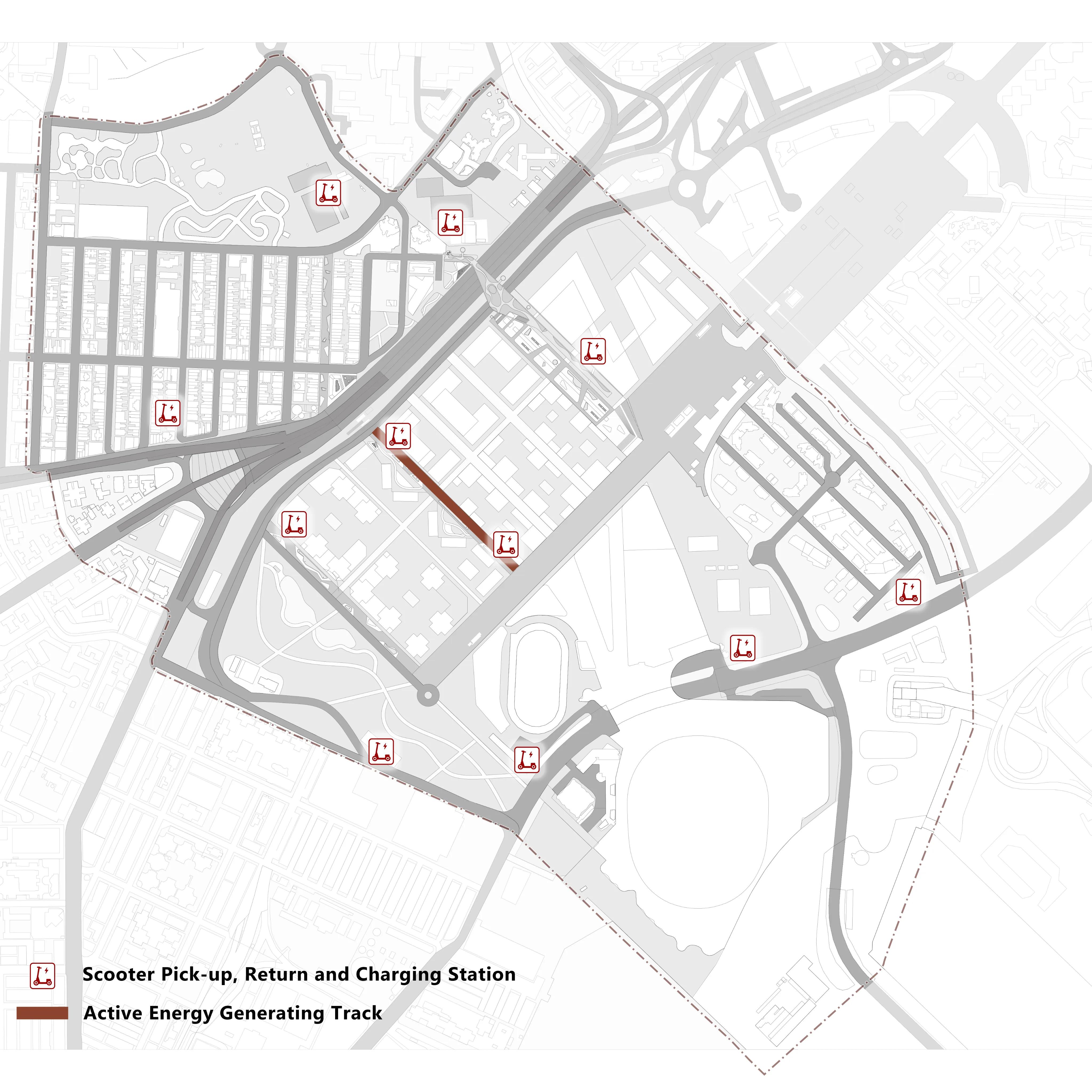
Shared electric scooters
Scooter Solar Charging Dock
Active Energy Generating Track
Usage scenario
Site and reference route
Plan
Master Plan
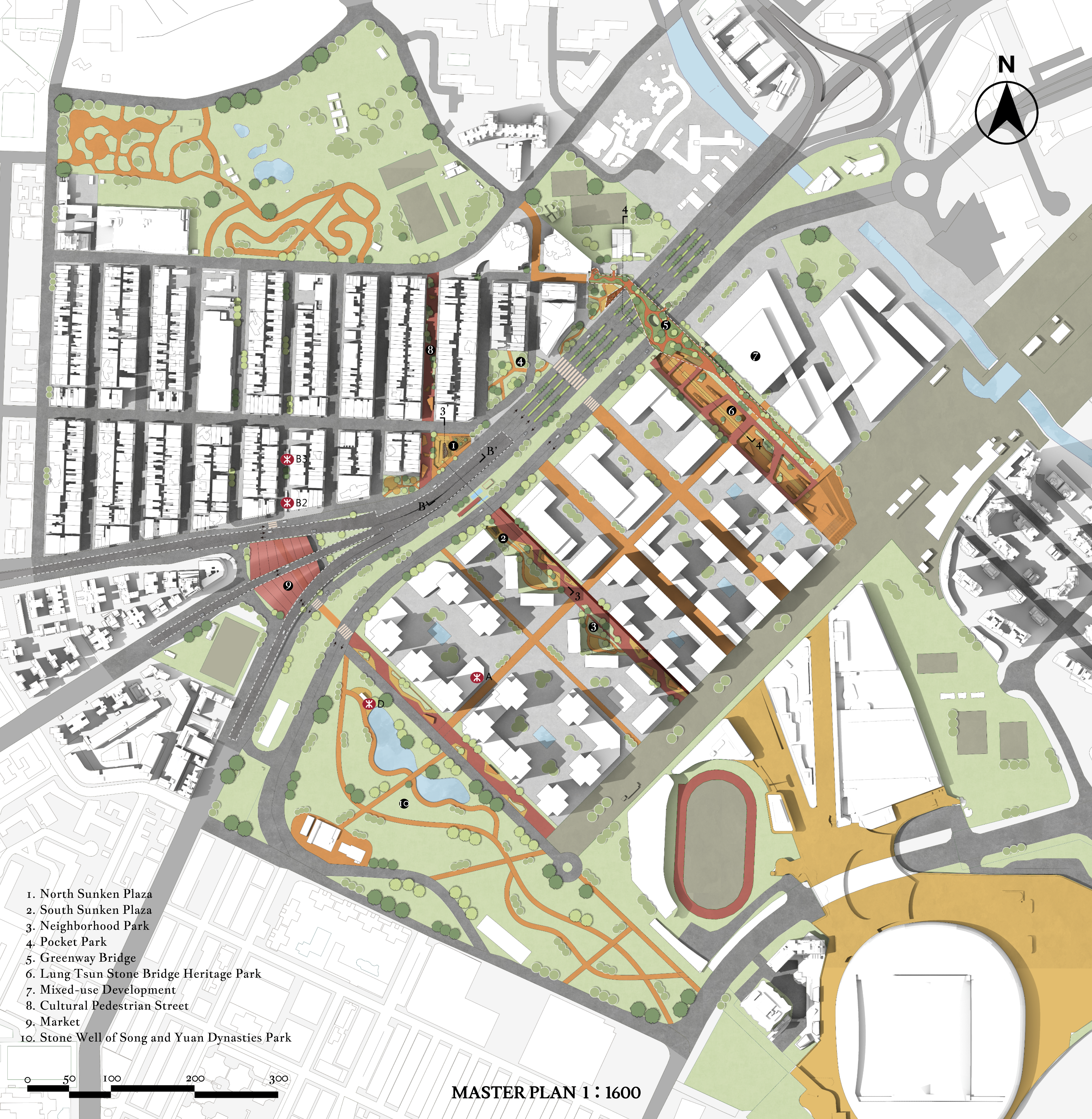
Market Plan
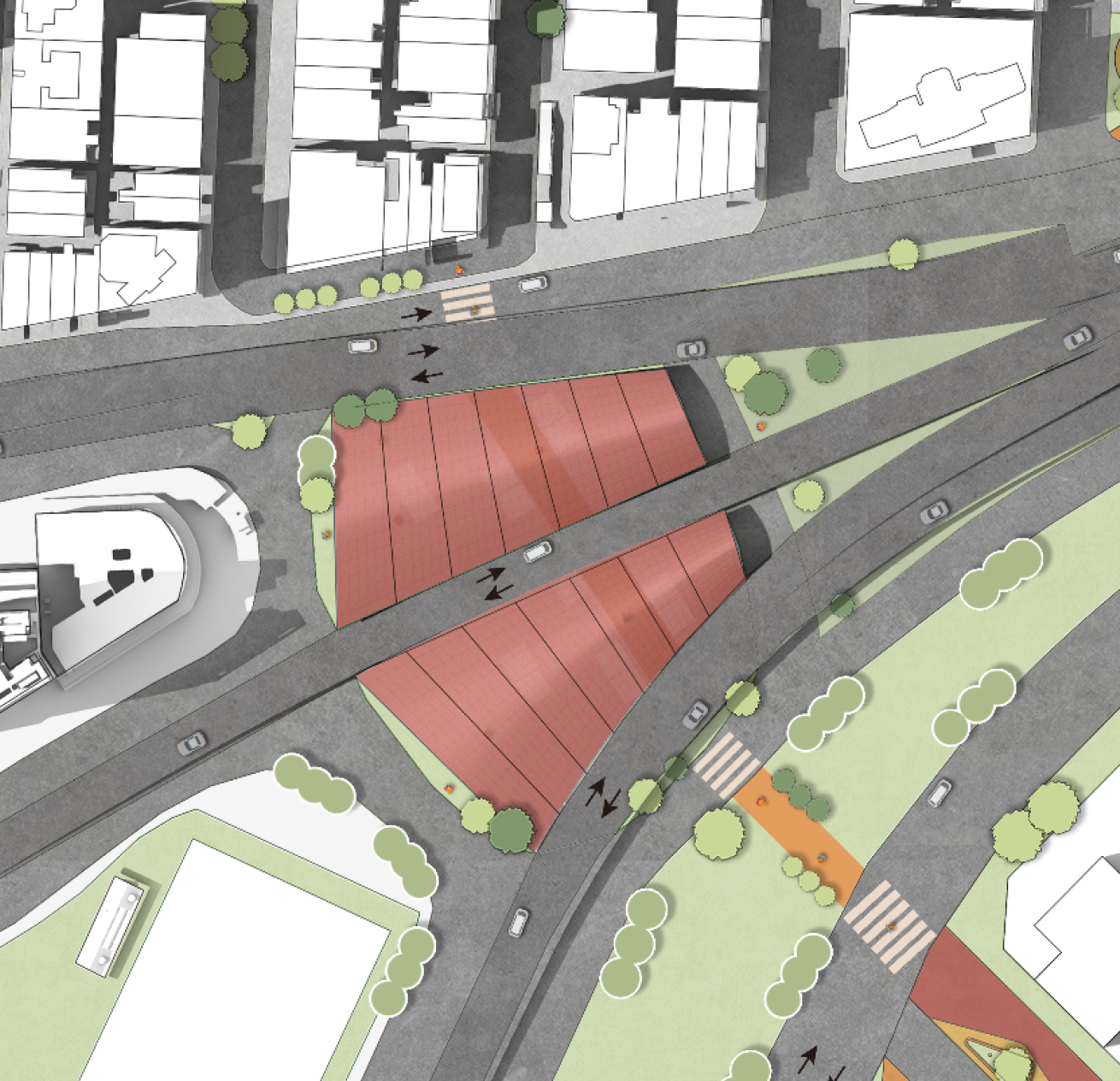
Sunken Plazas
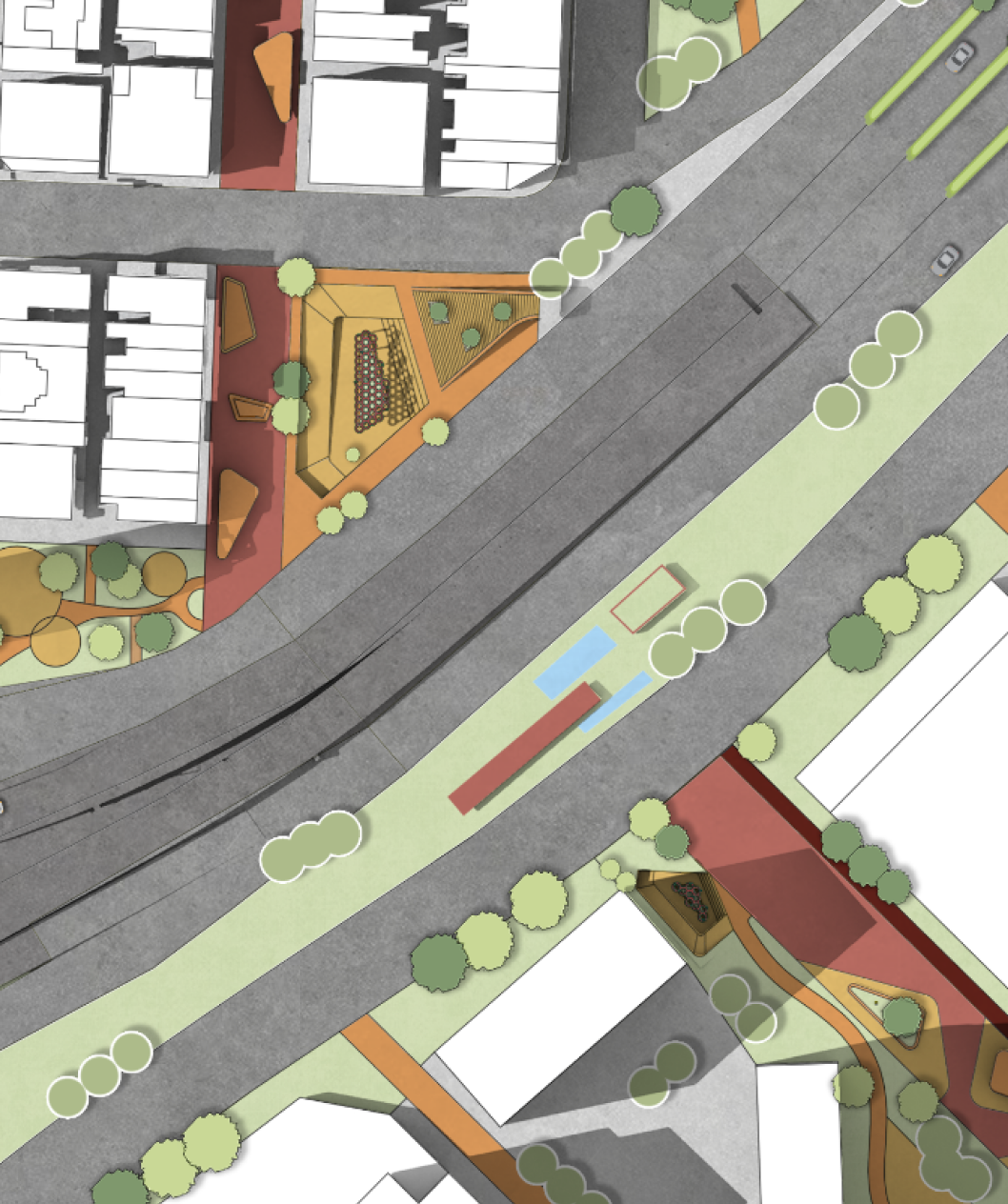
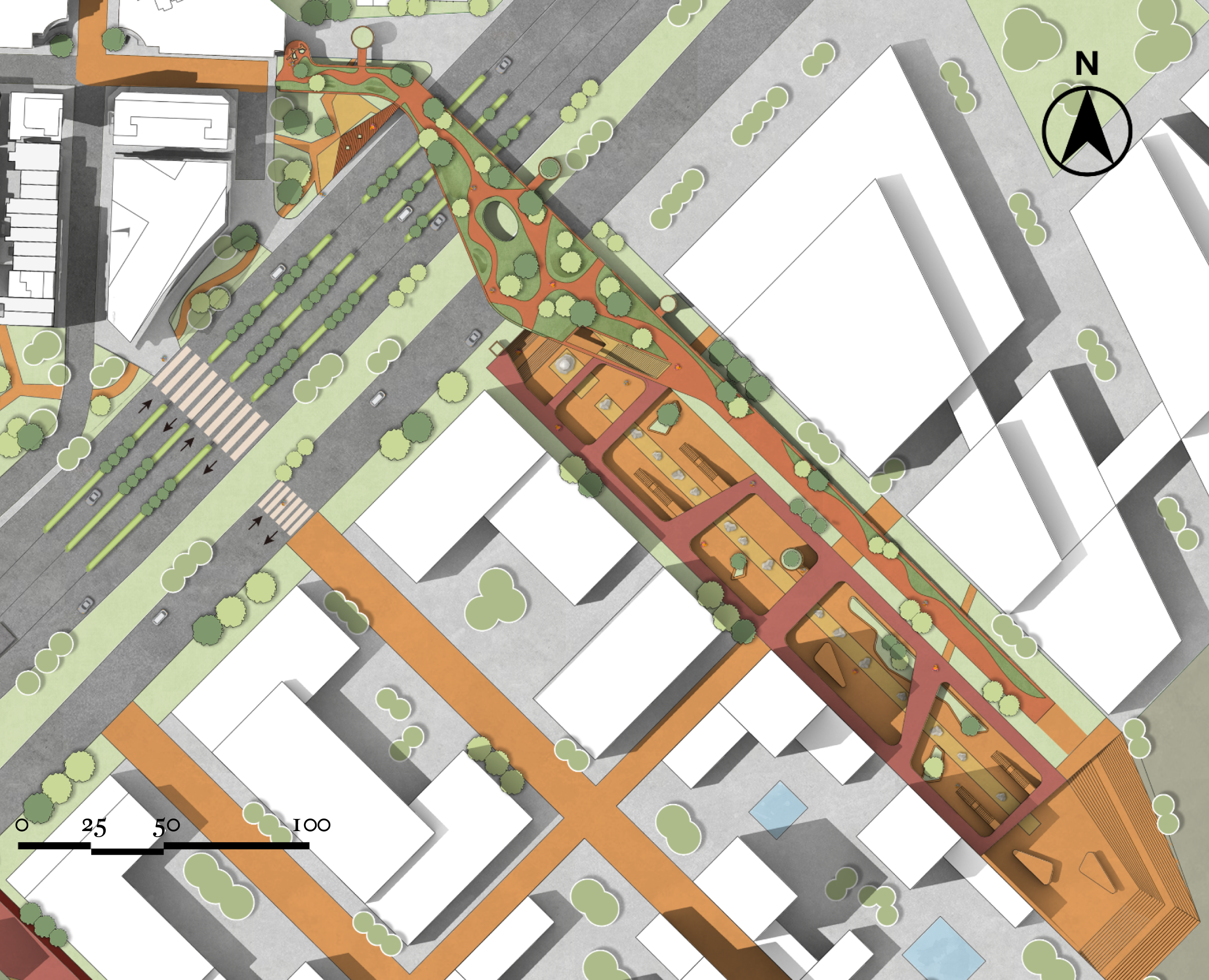
Greenway Bridge & Lung Tsun Stone Bridge Heritage Park Plan
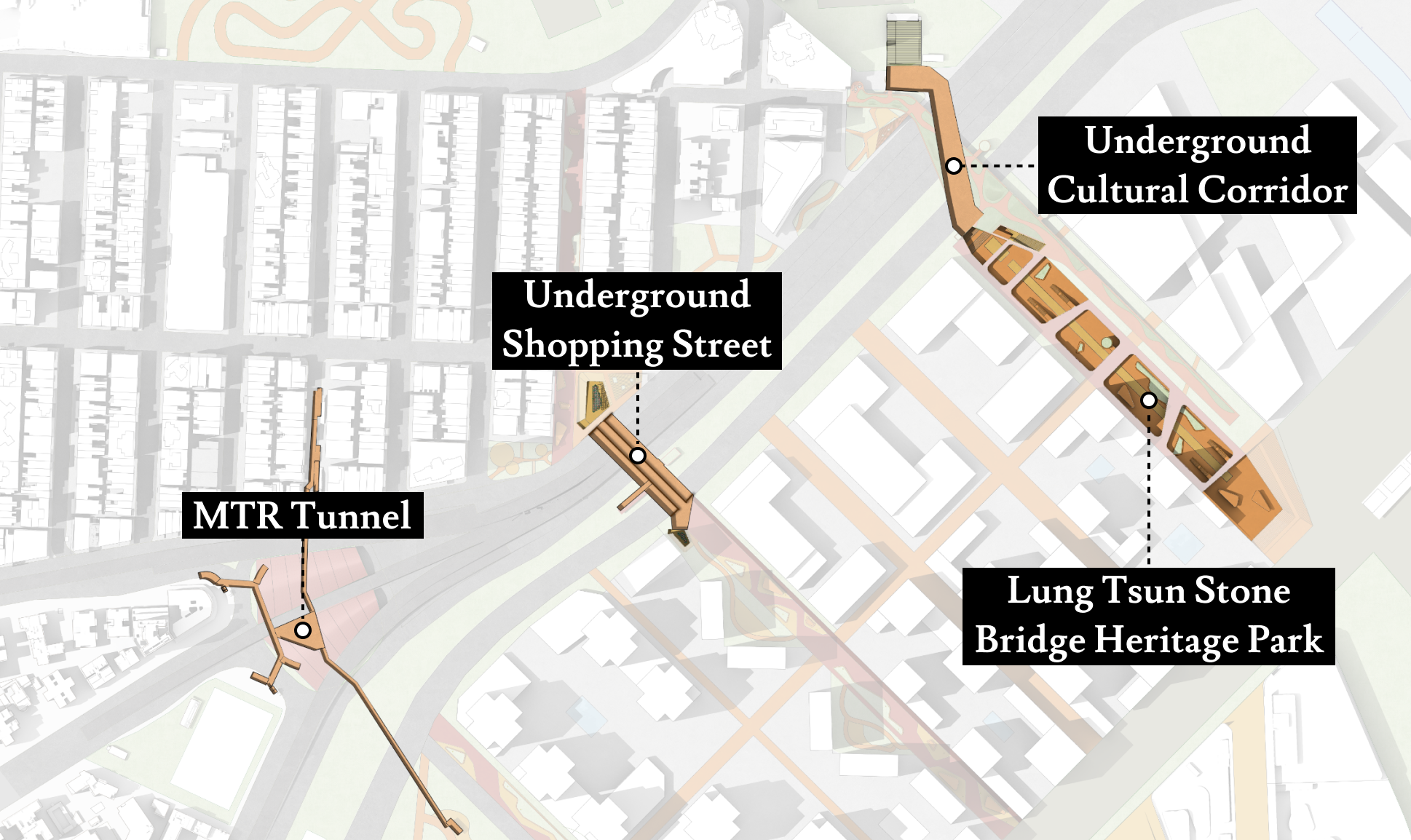
Underground Floor Plan
Render
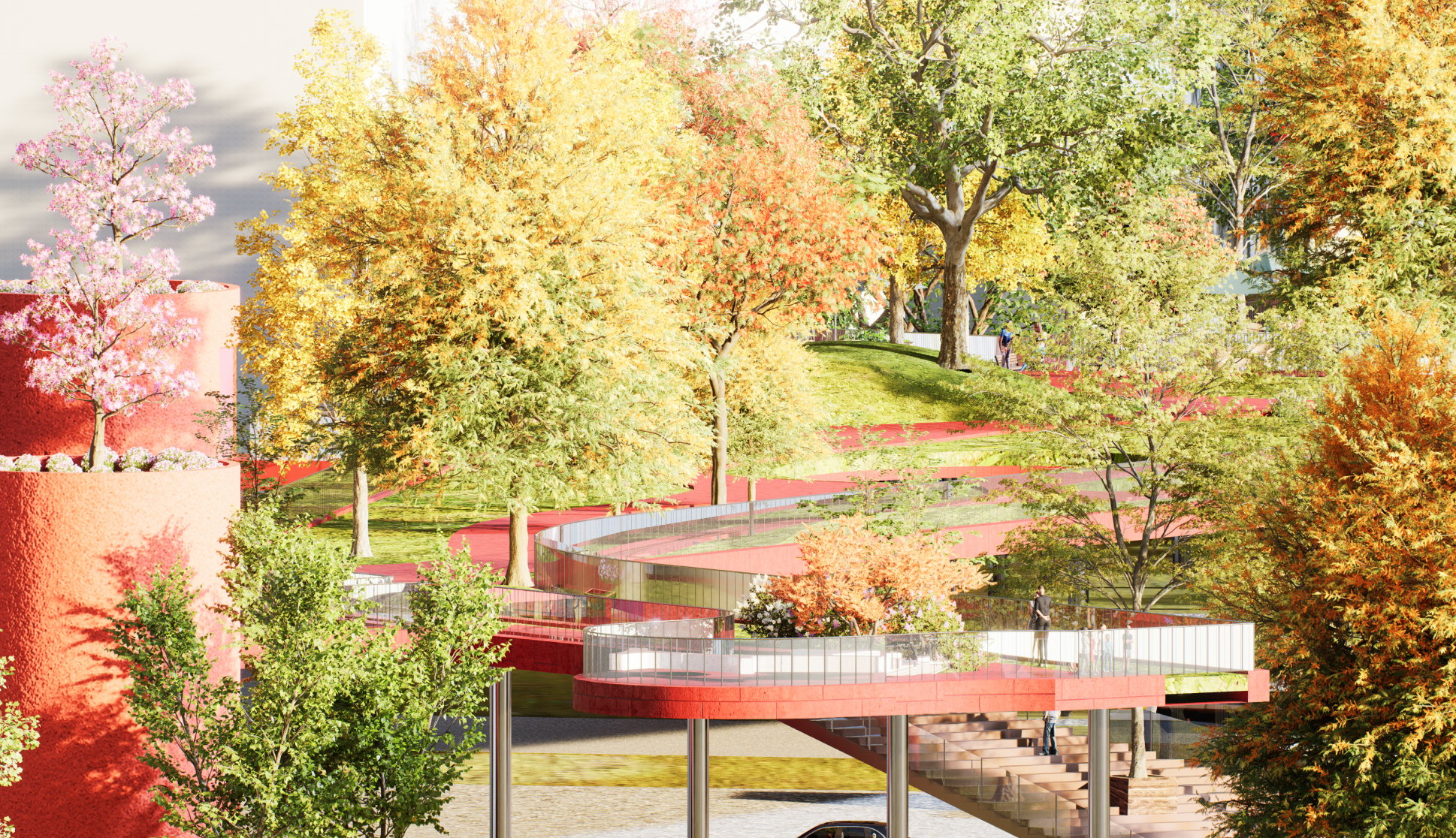
Visualizations illustrating the final proposed atmospheric and spatial qualities of the intervened site.
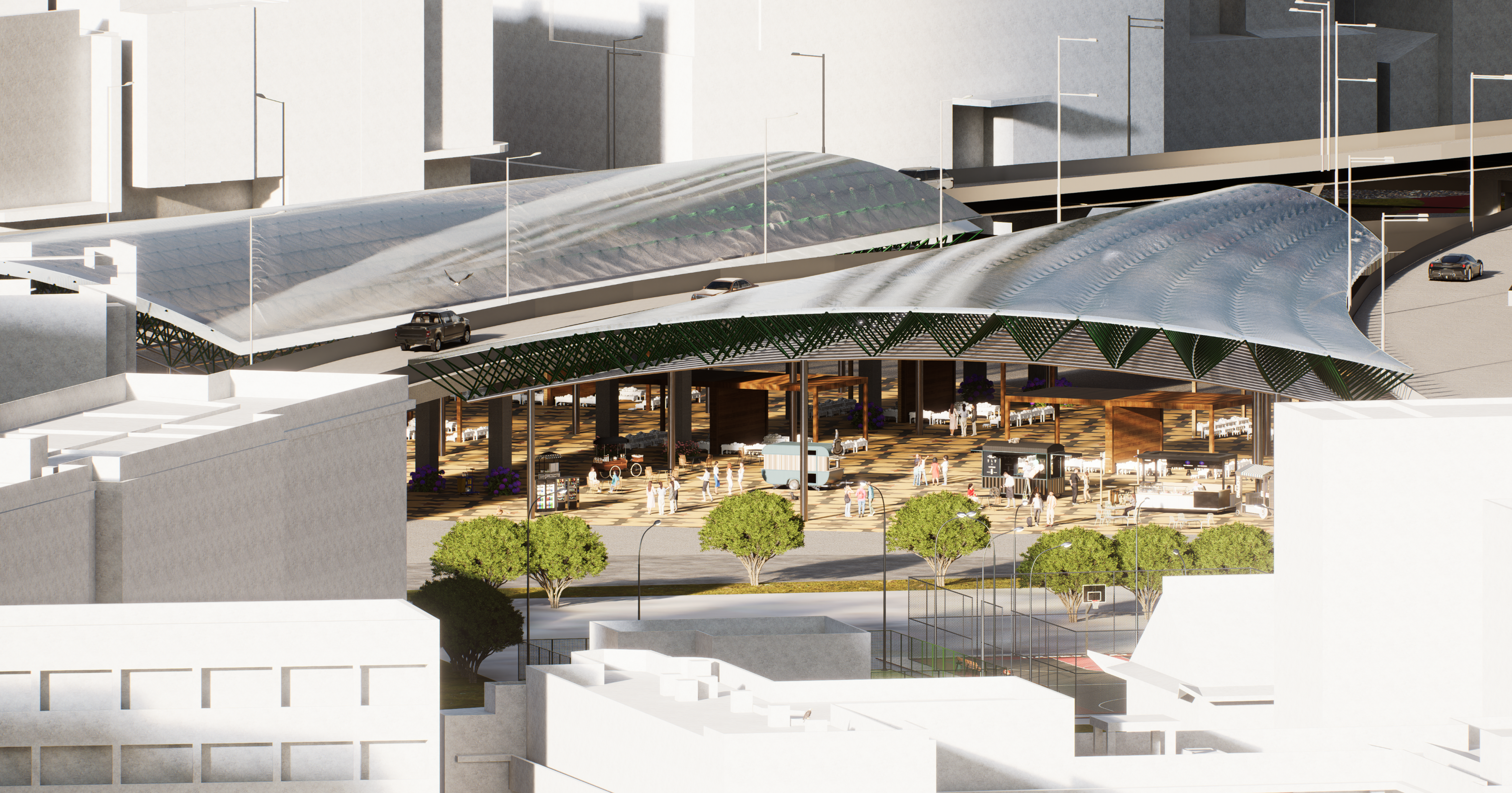
Market
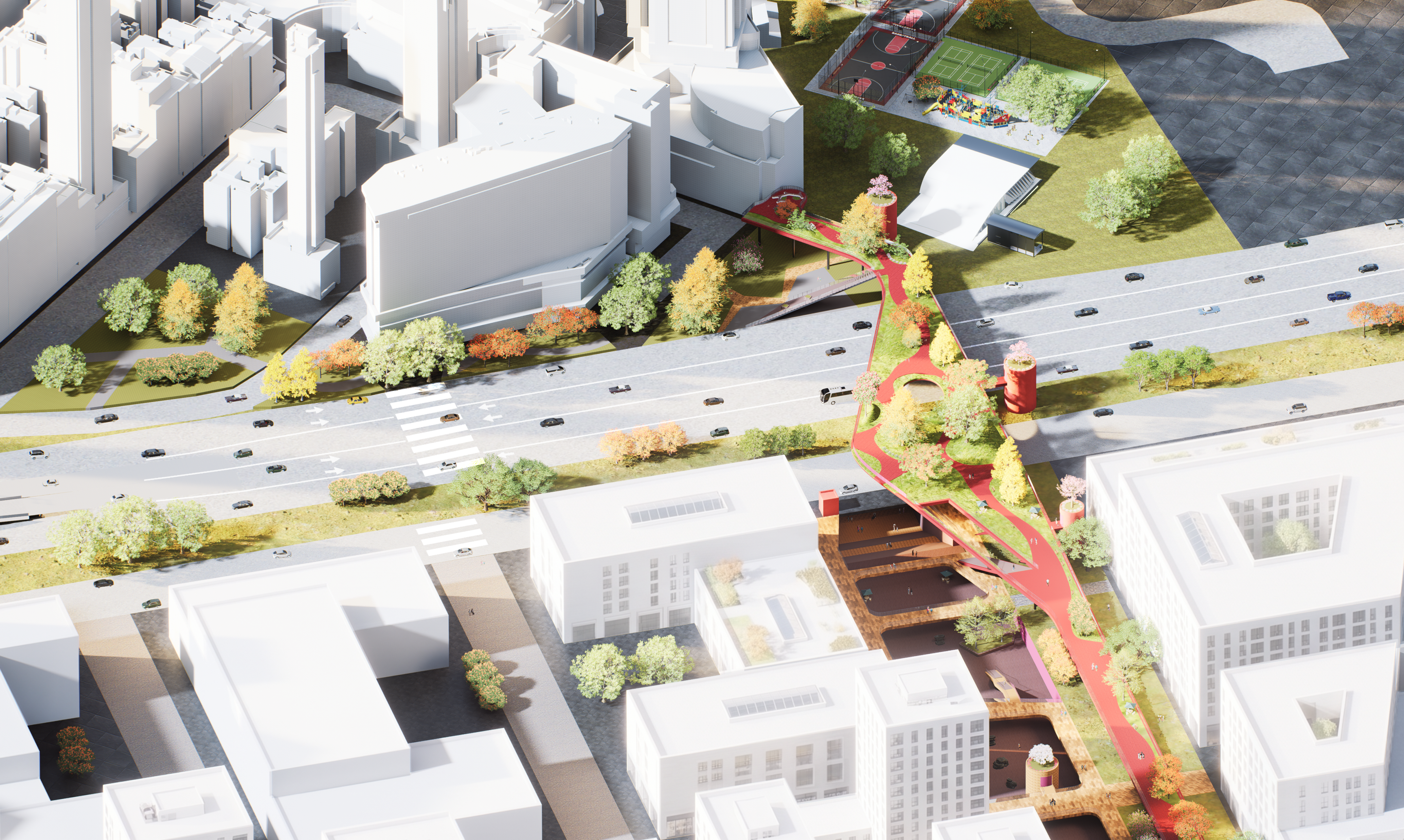
Greenway Bridge & Lung Tsun Stone Bridge Heritage Park
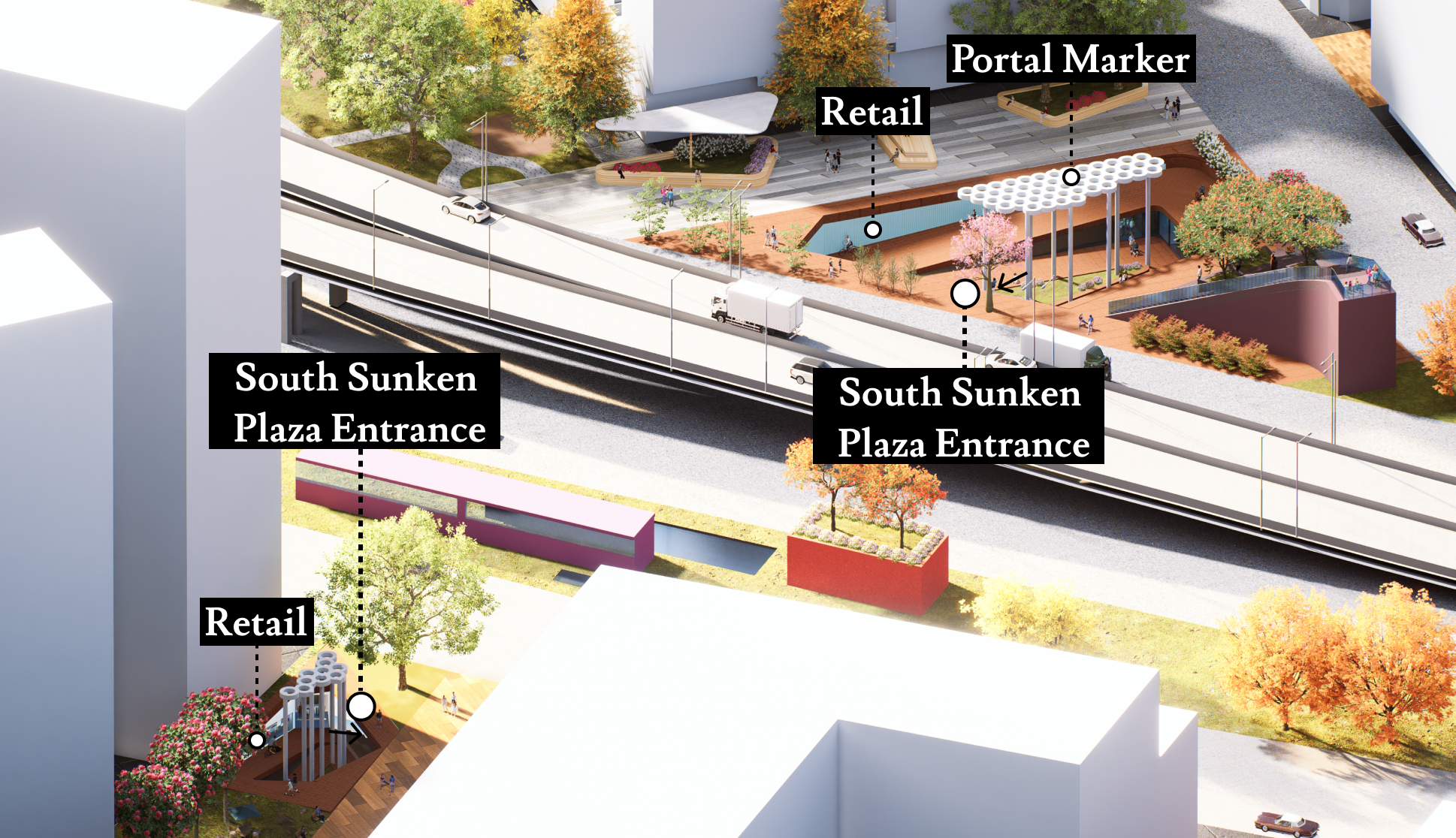
Twin Sunken Plazas
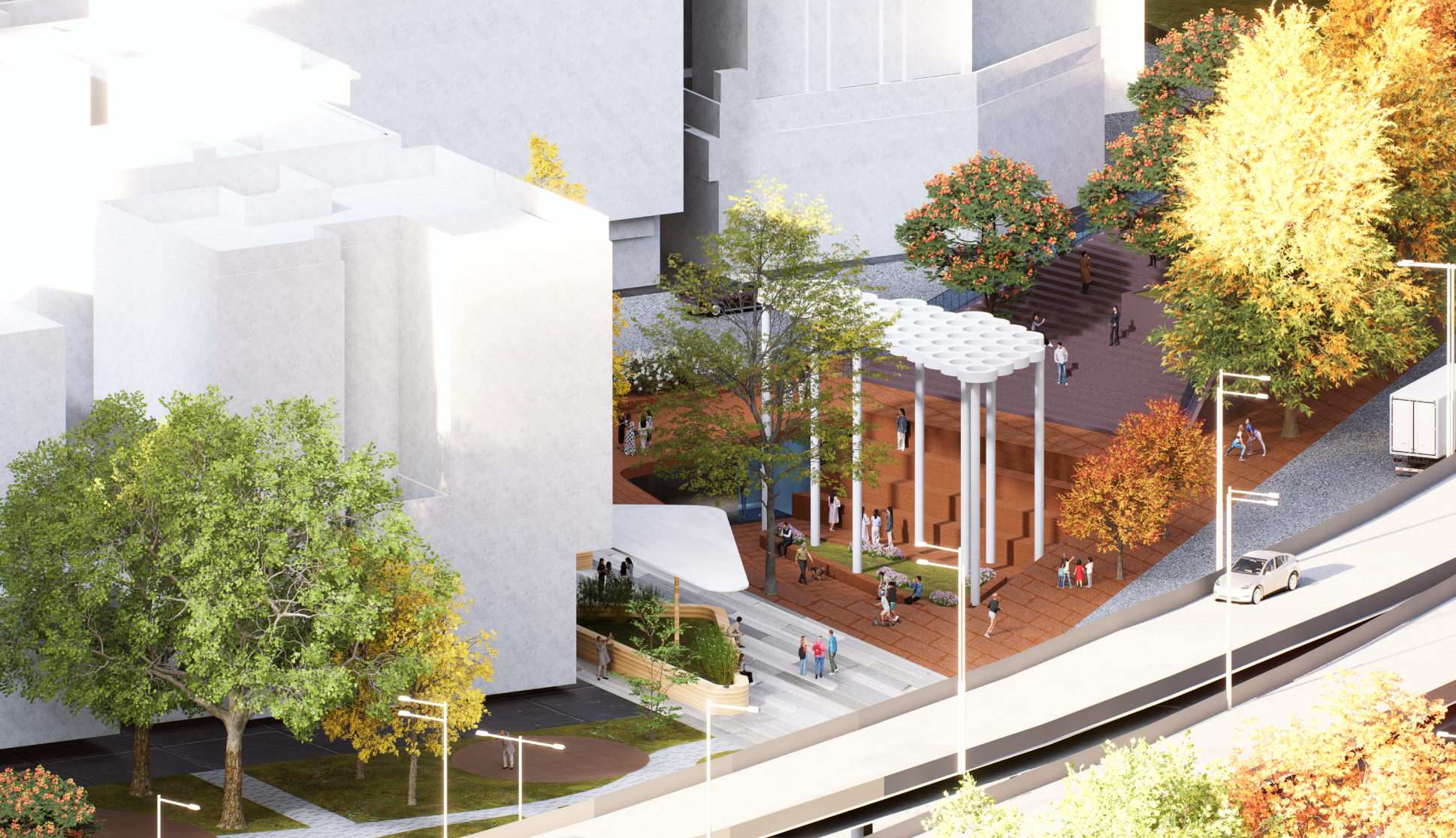
North Sunken Plaza
Greenway Bridge
SECTION
Detailed cross-sectional drawings revealing the vertical relationships, structural depths, and multi-level integration of the design.
SECTION 3-3’

Section B-B’

SECTION 4-4’
